Apple growers in Himachal Pradesh are facing their worst season in years after unseasonal weather patterns devastated orchards across the Himalayan state, threatening an economy valued at Rs 5,000 crore. The crisis has sent shockwaves through local markets and left thousands of farming families grappling with ruined harvests. The timing could hardly be worse — peak harvest season typically begins in September, meaning the damage is already irreversible for many cultivators.
Harvest season turns to disaster
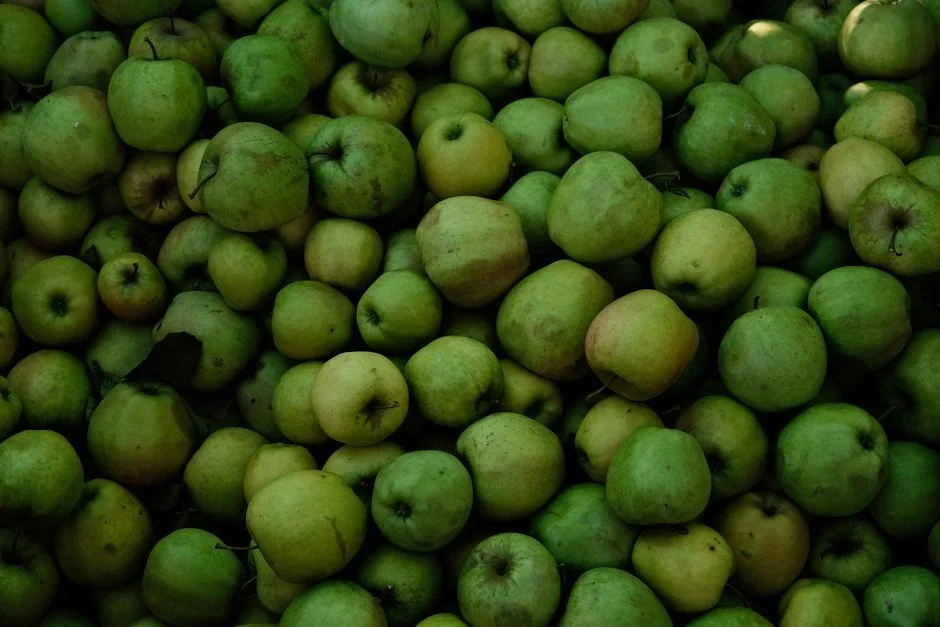
The unseasonal rains arrived precisely as apple trees were entering their critical fruiting phase. Growers across major producing districts including Shimla, Kullu, and Mandi reported widespread crop failure. Local agricultural officials confirmed that early estimates suggest output could fall by 30 to 40 percent compared to last year. The financial toll extends beyond the orchards themselves — cold storage operators, packing facilities, and transport businesses that depend on the apple trade are now facing a bleak season.
Impact on rural livelihoods
For decades, apple cultivation has served as the economic backbone for hundreds of thousands of families in Himachal Pradesh's mid-hill regions. Smallholder farmers who invested their savings in pesticides, labour costs, and irrigation during the spring months now find themselves with nothing to show for their expenditure. Several growers told local media they had taken bank loans specifically to finance this year's harvest. Agricultural economists warn the distress could ripple outward into rural retail and property markets.
Market consequences and price pressure
Supply shortages are already pushing wholesale prices upward in northern Indian markets. Traders at the Azadpur Agricultural Produce Marketing Committee in New Delhi reported that Himachal apples — known for their quality and firmness — are arriving in significantly reduced volumes. Consumer prices in urban centres could rise by 15 to 20 percent if supplies do not recover, industry observers suggest. Competing apple-growing regions in Kashmir and Ladakh may benefit from the shortfall, though they cannot fully compensate for the scale of Himachal's production.
Imports of apples from Iran, the United States, and Chile have historically filled domestic shortfalls, but international prices remain elevated due to global freight costs. Supermarket chains that source premium domestic fruit may need to adjust their procurement strategies within weeks.
Climate patterns under scrutiny
Meteorologists point to a combination of erratic rainfall and temperature fluctuations during the spring and early summer months as the primary culprit. The India Meteorological Department noted that Himachal Pradesh received 23 percent above-average rainfall in June alone. Such volatility aligns with broader climate change projections for Himalayan agro-ecological zones. Scientists at the Indian Council of Agricultural Research have long warned that traditional apple-growing areas face increasing climate stress as minimum temperature thresholds shift upward.
Longer-term, insurance schemes designed to protect growers from weather-related losses remain underutilised. Government data indicates that fewer than 15 percent of orchard owners in the state hold crop insurance policies. Experts argue this protection gap leaves the sector dangerously exposed to exactly the kind of disruption now unfolding.
Government response and policy gaps
The Himachal Pradesh state government has announced preliminary relief measures, including requests for extended credit repayment deadlines from cooperative banks. Federal agriculture ministry officials have indicated they are monitoring the situation and may consider releasing emergency stock from the National Agricultural Cooperative Marketing Federation. Whether such interventions can meaningfully address losses of this scale remains unclear.
Agricultural policy analysts note that structural solutions — improved weather forecasting, micro-irrigation infrastructure, and frost protection technology — require sustained investment over multiple budget cycles. The current crisis has renewed calls for faster implementation of the Centre's horticultural development programmes in the state.
Investment and sector outlook
The turmoil arrives at a delicate moment for Himachal Pradesh's ambitions to attract food processing investment. The state government had been actively courting agribusiness companies to establish grading, storage, and juicing facilities in an effort to reduce dependence on raw fruit sales. The apple sector's vulnerability to climate disruption may complicate those pitches to potential investors, at least in the short term.
Some progressive growers have begun experimenting with high-density apple plantations using dwarf rootstocks that tolerate warmer conditions better than traditional varieties. Orchard owners in areas like Kotkhai and Rohru who adopted these techniques reported relatively better performance this season, though the transition costs remain prohibitive for most small farmers.
What to watch in the coming weeks
The full extent of the damage will become clear only as the harvest season progresses through October. Trade bodies are scheduled to release updated production estimates by late October, which will determine whether consumer prices spike further or stabilise. Farmers groups have called for a special session of the state legislative assembly to address the crisis, and opposition parties have demanded a comprehensive relief package. Banks will be watching default rates on agricultural loans closely as the season concludes without adequate income for many borrowers.
See Also
- Hein Odendaal Sentenced in Steinhoff Scandal - Legal Fallout Continues
- Leia Reveals Latest Sport News - What It Means For US Markets
Federal agriculture ministry officials have indicated they are monitoring the situation and may consider releasing emergency stock from the National Agricultural Cooperative Marketing Federation. Government data indicates that fewer than 15 percent of orchard owners in the state hold crop insurance policies.
What is the latest news about unseasonal rains devastate himachal apple crop rs 5000 crore economy at risk?
Why does this matter for science?
What are the key facts about unseasonal rains devastate himachal apple crop rs 5000 crore economy at risk?