Microsoft announced plans to eliminate 4,800 positions across its gaming division on Friday, marking the most aggressive retrenchment since the company completed its $69 billion acquisition of Activision Blizzard last year. The cuts will primarily target roles within Xbox's workforce, according to a company memo distributed to staff. The restructuring arrives as Microsoft works to integrate Activision's vast catalogue of titles, including Call of Duty and World of Warcraft, into a unified gaming strategy.
Scope of the layoffs
Approximately 4,800 workers will lose their jobs as part of what Microsoft described as a "significant restructure" of its gaming operations. The affected roles span multiple departments, including human resources, engineering, and corporate functions, according to sources familiar with the matter. This represents roughly one-quarter of the total workforce Microsoft absorbed when it purchased Activision Blizzard, the biggest acquisition in the history of the video game industry.
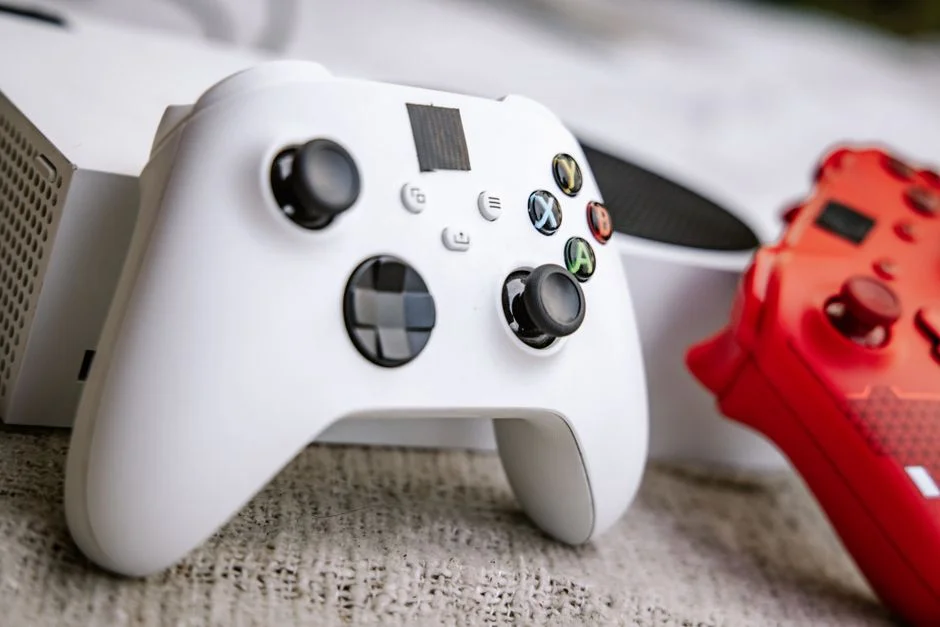
On Friday afternoon, Microsoft Gaming chief Phil Spencer sent a memo to employees acknowledging the difficulty of the decisions. "These changes are necessary to position our business for long-term success," Spencer wrote in the communication seen by financial media outlets. The company declined to specify which studios or geographic locations would bear the brunt of the reductions.
Integration challenges drive the cuts
The layoffs reflect the complexities of merging three major companies into a single gaming entity. Microsoft acquired Bethesda parent ZeniMax in 2021 for $7.5 billion before completing the Activision Blizzard deal in October 2023. The combined operation now employs tens of thousands across studios in California, Texas, Maryland, and several European markets.
Industry analysts have pointed to duplicated roles across the merged companies as a primary target for cost savings. Bethesda's publishing operations and Activision's corporate structure both maintained separate human resources, finance, and legal departments that now require consolidation. Microsoft has signaled that it intends to preserve development teams working on upcoming releases while trimming administrative layers.
Market reaction and investor signals
Shares of Microsoft dipped less than 1 percent in after-hours trading following the announcement, suggesting investors had anticipated some level of workforce adjustment. The company's stock has climbed roughly 15 percent over the past twelve months, building investor confidence in the gaming division's growth potential despite integration costs.
Microsoft's market capitalisation remains above $3 trillion, making it the most valuable publicly traded company in the United States. The gaming segment, while significant in cultural terms, represents a smaller share of overall revenue compared with cloud computing and productivity software. This scale has given the company flexibility to absorb acquisition-related charges without alarming equity investors.
Competition from Sony and Nintendo
Rivals are watching the restructuring closely. Sony Interactive Entertainment, Microsoft's primary competitor in the console market, has maintained relatively stable staffing levels following its own round of layoffs earlier in 2024. Nintendo has not announced any workforce reductions and continues to hire across its studios in Kyoto and Tokyo. The divergence in corporate strategies highlights the different financial pressures facing each company as the gaming market matures.
Impact on game development pipelines
Questions remain about whether the cuts will affect upcoming game releases. Microsoft has promised several Activision titles for its Game Pass subscription service, a key pillar of its strategy to compete with streaming platforms. The company declined to confirm whether any announced projects would be delayed or cancelled as a result of the restructuring.
Bethesda Game Studios, the developer behind The Elder Scrolls and Fallout franchises, appears largely insulated from the cuts for now. Internal communications suggest major ongoing projects continue as planned. However, smaller studios under the Activision umbrella face more uncertain futures, with at least one studio already identified for potential closure according to gaming industry publication Kotaku.
Wider industry context
Microsoft joins a growing list of technology companies that have announced workforce reductions this year. Amazon, Meta, and Google parent Alphabet have each eliminated thousands of positions as they reorient around artificial intelligence investments and prune legacy operations. The gaming sector specifically has seen substantial layoffs following a pandemic-era surge in demand that has since normalised.
Electronic Arts cut approximately 6 percent of its workforce in 2024, while Embracer Group, the Swedish holding company that owns multiple studios, has pursued an aggressive restructuring programme after overexpanding through acquisitions. The retrenchment signals a shift in priorities from growth-at-all-costs to sustainable profitability in an industry that spent heavily during COVID-19 lockdowns.
What happens next
Microsoft has indicated that the bulk of the layoffs will be completed by the end of March. Severance packages will be offered to affected employees in accordance with local labour laws, the company stated. Remaining staff have been told to expect further communication about structural changes within the coming weeks.
The restructuring will be closely watched by game developers, publishers, and platform holders who rely on Microsoft's ecosystem. Game Pass currently boasts more than 25 million subscribers, and any disruption to content pipelines could affect that subscriber base. Watch for Microsoft to provide an update on its gaming strategy when it reports quarterly earnings next month.
See Also
- Jillian Michaels Opens Up on Food Addiction Crisis
- Google Launches Smart Glasses — Markets React to the Comeback
Internal communications suggest major ongoing projects continue as planned. The divergence in corporate strategies highlights the different financial pressures facing each company as the gaming market matures.