Anthropic unveiled Claude Science this week, a new platform designed to help researchers apply artificial intelligence to complex scientific problems. The launch arrives as California regulators simultaneously revisit how they count agricultural methane emissions — a policy shift with real consequences for farmers, carbon credit traders, and anyone holding investments in the state's farming sector.
Anthropic's Latest Move in the AI Arms Race
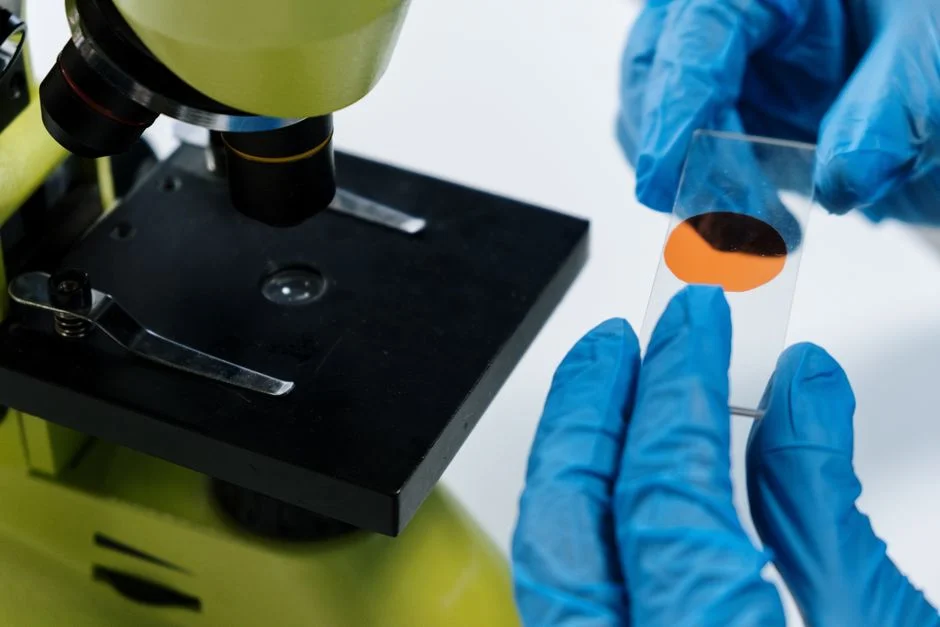
Claude Science represents Anthropic's push into research-focused AI applications. The platform gives scientists access to Claude's reasoning capabilities tailored for domains like genomics, materials science, and environmental modeling. San Francisco-based Anthropic confirmed the release targets university labs and corporate research divisions.
The timing matters for investors watching the AI sector. Competitors including OpenAI and Google DeepMind have made similar moves into scientific computing. Anthropic's entry signals that the commercial AI market is fragmenting into specialty segments rather than consolidating around general-purpose tools.
Market analysts tracking AI stocks noted that research-oriented AI platforms tend to generate longer contracts and higher retention rates than consumer products. That could make Claude Science particularly valuable if Anthropic pursues a public listing or additional venture funding.
California's Carbon Counting Problem
While Anthropic was launching its new product, California air quality regulators were defending their methodology for counting methane reductions from dairy farm digesters. The state's carbon credit system awards credits based on estimated methane capture, but critics have long argued the math overstates actual emissions cuts.
The controversy stems from how regulators account for biogas processing. When dairy operations capture methane and convert it to pipeline-quality gas, California currently counts the full methane reduction. Opponents say this ignores the fossil fuel offset that results — essentially crediting the farm twice for the same environmental benefit.
What the Data Shows
Internal documents from the California Air Resources Board, obtained by local media in Sacramento, reveal staff have discussed methodology changes since early this year. The board has not announced a timeline for revisions, but any shift would affect retroactive credits — potentially reducing the value of existing carbon offsets held by investors.
The California carbon market trades around $30 per metric ton of CO2 equivalent. A methodology change that invalidates past credits could strand capital held by financial institutions that purchased offsets as part of their net-zero commitments.
Investors Eyeing Both Developments
The juxtaposition of these two stories illustrates a broader tension in green investment. AI platforms like Claude Science promise to accelerate research into renewable energy and carbon capture. Simultaneously, the policy frameworks that determine whether those investments pay off remain unstable.
Venture capital firms with exposure to both sectors face a tricky balancing act. Anthropic's valuation has climbed sharply as AI demand surged, but California's regulatory uncertainty adds risk to agricultural carbon projects that might rely on AI-driven monitoring for verification.
Fund managers tracking environmental technology stocks said the divergence between AI momentum and carbon policy could create opportunities. Companies offering independent verification services for carbon credits — using tools like satellite imaging and machine learning — may benefit if California tightens its rules.
What Happens Next
The California Air Resources Board is expected to release a draft updated methodology for public comment within the next several months. Agricultural groups and carbon credit developers have already registered opposition to any changes that would reduce credit generation.
Anthropic has not disclosed pricing for Claude Science or its enterprise tier. The company is reportedly in talks with several pharmaceutical firms about pilot programs. Investors will watch for adoption metrics that could influence Anthropic's next funding round or initial public offering timeline.
See Also
- Hasbro Suffers Cyber-Attack Amid Supply Chain Concerns
- Jodhpur Weather Disrupts Trade Flights — Cargo Delays Surge 25%
What is the latest news about anthropic launches claude science and californias manure math is changing carbon markets?
Why does this matter for cybersecurity?
What are the key facts about anthropic launches claude science and californias manure math is changing carbon markets?