Google unveiled its latest smart speaker this week to positive reviews from tech critics who praised the hardware design, audio quality, and build engineering. The problem is straightforward: the Gemini artificial intelligence that should make the device truly intelligent is not ready. The mismatch between capable hardware and incomplete software has created a unusual gap in Google's product lineup, one that competitors like Amazon are already watching closely.
The Hardware Bet Pays Off
Google's hardware division delivered a polished product. The new smart speaker features improved acoustics, a sleeker form factor, and enhanced far-field microphones designed to pick up voice commands from across the room. Reviews from outlets in San Francisco and London praised the device's physical design as a step above previous generations.
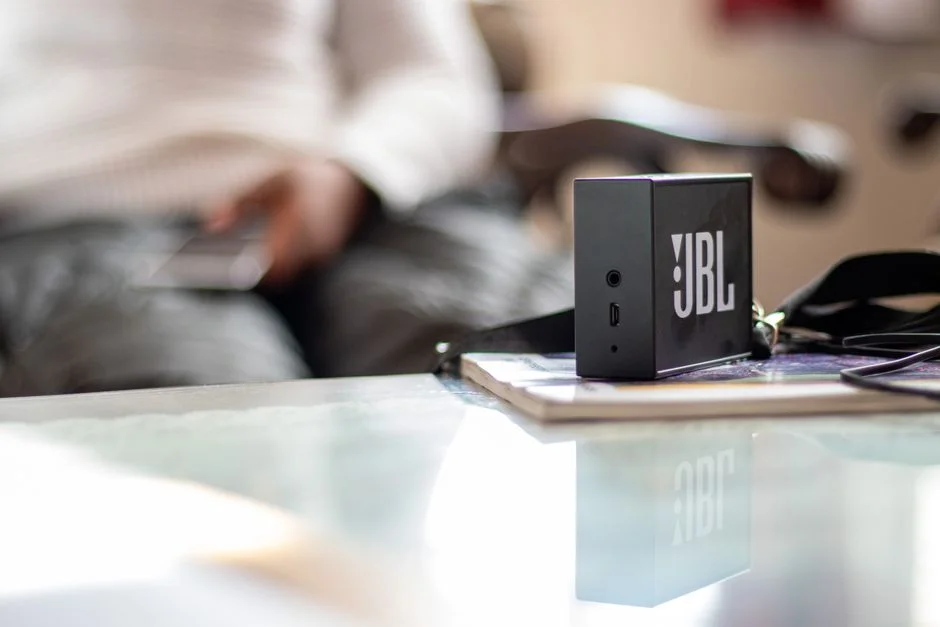
The company invested heavily in audio engineering for this release, positioning the speaker as a premium home entertainment device rather than just a voice assistant vessel. That strategy appears to have worked on the hardware side. The speaker generates rich bass and clear highs that compare favourably to competing products from Sonos and Bose in the same price bracket.
Gemini Falls Short
Behind the hardware success lies a software headache. Gemini, Google's next-generation AI assistant that debuted in early 2024, has not yet been integrated into the smart speaker platform in its full form. Users get a scaled-back version that handles basic commands but lacks the conversational depth and contextual awareness that Google marketed as the device's centrepiece.
The gap matters because Google pitched this speaker as the first device fully built around Gemini capabilities. The marketing materials, shown at the reveal event in New York last month, featured scenarios of natural conversations with the assistant, complex multi-step task execution, and seamless integration with smart home routines. The reality on current devices falls short of those promises.
Google confirmed in a statement that full Gemini integration remains on the product roadmap. A company spokesperson declined to provide a specific timeline for when the complete version would arrive. The admission creates an awkward situation where customers are buying hardware today that will operate differently once software catches up.
Competitive Landscape Shifts
Amazon, which dominates the smart speaker market with its Echo lineup, senses an opening. The Seattle-based company has accelerated development of its own next-generation assistant, according to sources familiar with the matter. Alexa, Amazon's voice assistant, currently offers more consistent performance on smart home tasks, though it lacks the advanced reasoning capabilities that Google promised with Gemini.
The market implications stretch beyond direct competition. Apple is expected to refresh its HomePod line later this year, and Samsung continues to develop its Bixby platform. The current window where Google hardware leads but software lags gives rivals a narrow but real opportunity to attract customers who want a complete package today rather than a promise for tomorrow.
Investor Concerns Mount
Wall Street has noticed the disconnect. Google parent Alphabet reported strong Pixel smartphone sales in its last quarterly earnings call, but analysts flagged the smart speaker launch as a potential reputational risk. A product that ships before its key feature is ready invites negative reviews that can linger long after software updates arrive.
The smart home market represents a critical battleground for big tech companies seeking to lock users into their ecosystems. Speakers serve as ambient computing hubs, controlling lights, thermostats, security systems, and media. Getting consumers to commit to one platform influences purchasing decisions across connected device categories worth billions annually.
Alphabet shares have shown resilience overall, climbing roughly 18 percent year-to-date, but the stock dipped slightly following the smart speaker reviews. Some analysts recommend caution until Gemini integration is confirmed and tested.
What Customers Actually Get
The device costs $99 in the United States, positioning it against Amazon's third-generation Echo and Apple's HomePod mini. For that price, buyers receive solid hardware with reliable voice recognition for simple commands like setting alarms, playing music, and checking weather. The speaker works with most major smart home protocols, including Matter, the new standard designed to make different brands work together.
The experience diverges when users ask more complex questions or request help with planning tasks. Gemini's conversational abilities, which impressed early testers in 2024, remain absent from the speaker interface. Google appears to be roll out features incrementally rather than launching everything at once, a strategy that has frustrated early adopters.
Looking Ahead
Google faces pressure to deliver on its software promises quickly. The holiday shopping season looms, and smart speakers consistently rank among the best-selling tech gifts. Customers who buy now and experience limitations may become less enthusiastic about future Google products, especially if Amazon or Apple deliver more cohesive experiences.
The next few months will test whether Google's hardware-first approach can succeed without simultaneous software readiness. Watch for a software update announcement expected before the end of the quarter. That update will determine whether this product becomes a success story or a cautionary tale about shipping incomplete packages in competitive markets.
See Also
- Musk’s Lawyers Grill OpenAI’s Brockman Over $30B Valuation
- South Africa Unemployment Reaches 32.9% — Tax Data Exposes Decade of Jobs Decline