A new high-voltage electricity interconnector linking Portugal and Spain will be inaugurated next week, the government announced, marking a significant step toward integrating the Iberian Peninsula's energy grids and fulfilling Brussels-mandated interconnection targets.
Iberian Energy Infrastructure Takes Shape
The new transmission line, constructed over three years at a cost running into several hundred million euros, establishes a direct electrical bridge between the two countries. It replaces older, capacity-constrained infrastructure that struggled to handle cross-border power flows during periods of high demand or renewable generation surges.
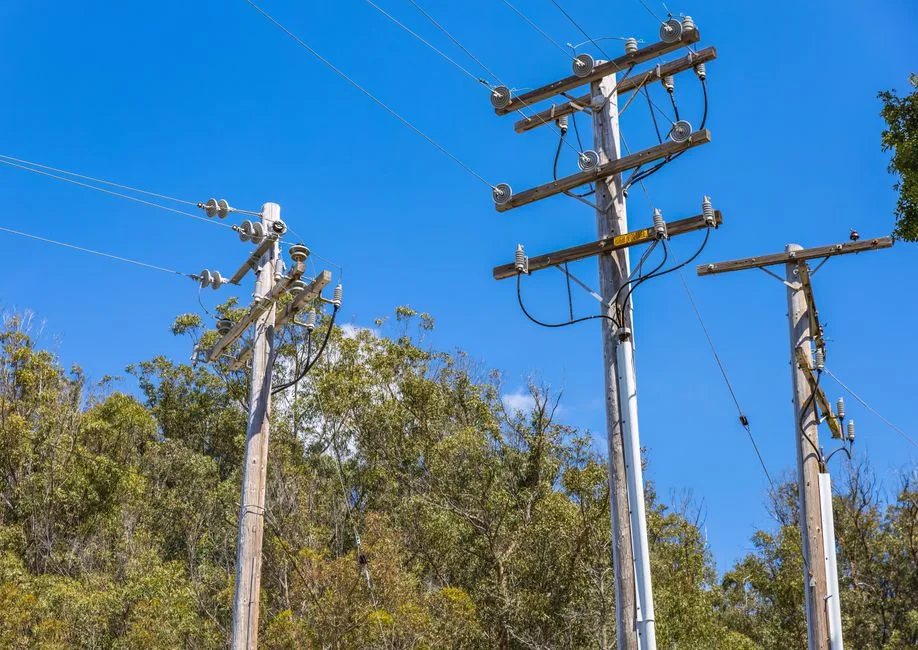
Portugal and Spain share approximately 2,700 megawatts of interconnect capacity today. The new link adds meaningful additional throughput, though full integration with existing networks will require further technical work over the coming months. The inauguration ceremony is scheduled to take place near the border region, with energy ministers from both countries expected to attend.
The 15 Percent Target Explained
European Union energy policy requires member states to reach 15 percent interconnection capacity relative to their installed generation capacity. Portugal has historically lagged behind Nordic countries and some Central European states on this metric, creating vulnerability to price spikes and supply disruptions during droughts or unexpected plant outages.
Meeting the threshold matters for several reasons. Countries with stronger interconnect links can import electricity when local generation falls short, smoothing price volatility for industrial consumers and households. They can also export surplus renewable power rather than curtailing wind or solar installations. For Portugal, which generates roughly 60 percent of its electricity from renewables, the ability to export during high-generation periods has direct revenue implications for energy companies.
Why Brussels Insisted on This Target
The EU set the 15 percent benchmark to prevent energy isolation, particularly after supply crises exposed how single-country or small-region grids struggled during the 2021-2022 energy price shock. Countries that could draw power from neighbours weathered the volatility better. The Commission has made energy security a cornerstone of its industrial policy, arguing that a well-connected European grid reduces dependence on imported fossil fuels and supports the transition away from carbon-intensive generation.
Portugal's path to compliance involved negotiating with Madrid on technical standards, securing environmental permits for new pylons and converter stations, and coordinating with grid operators Redes Energéticas Nacionais (REN) and its Spanish counterpart Red Eléctrica.
What This Means for Energy Markets
Market participants will watch the new link's impact on wholesale electricity prices across the Iberian region. Greater interconnection typically compresses price differentials between adjacent markets, as power flows from lower-priced zones toward higher-priced ones until equilibrium is reached.
Portugal's electricity prices have frequently diverged from Spanish prices in recent years, reflecting differences in generation mix and demand patterns. During windy periods, Portugal's grid can become saturated with renewable power while Spanish prices remain elevated in other regions. The new link gives generators in both countries more options for placing their electricity, potentially arbitraging these differences.
Industrial consumers operating across the peninsula stand to benefit from reduced price volatility and better access to generation capacity in neighbouring zones. Large power users in northern Portugal, for instance, could increasingly source supply from Spanish hydroelectric facilities during dry years when Portuguese reservoir levels fall.
Investment Implications for the Energy Sector
The inauguration strengthens the investment case for renewable energy projects in Portugal. Curtailment—situations where generators must shut down output because the grid cannot absorb the power—has been a persistent concern for developers seeking financing. Better interconnection reduces curtailment risk, improving project economics and potentially lowering the cost of capital for new wind and solar farms.
Grid infrastructure companies, including transmission operators, also see direct commercial upside. Higher cross-border flows generate additional revenues for operators managing the newly expanded interconnector capacity. Analysts tracking European utility stocks have pointed to Portugal-Spain interconnection as a long-standing gap in the continent's energy infrastructure, and the completion addresses a known bottleneck.
Challenges Ahead for Full Integration
Despite the milestone, experts caution that reaching 15 percent capacity does not mean the work is finished. Portugal's target is calculated against its generation fleet, and as the country adds more renewable capacity to meet climate goals, the absolute interconnection requirement continues to grow. Maintaining compliance will require additional links or upgrades to existing infrastructure.
Technical harmonisation between the Portuguese and Spanish grids remains an ongoing process. Different market scheduling systems, regulatory frameworks, and dispatch protocols create friction that limits the real-world capacity of nominally available interconnections. Industry sources note that effective utilisation rates for existing links have historically fallen short of theoretical maximums.
Looking Ahead
Both governments have indicated plans to explore further interconnection capacity, including potential new links to France and Morocco that would expand the Iberian Peninsula's energy reach beyond its current borders. The European Commission is expected to publish updated interconnection progress reports in the first quarter of next year, which will show whether Portugal's 15 percent achievement translates into sustained market integration.
Energy traders and utility analysts will be monitoring flows across the new interconnector in its first weeks of commercial operation. Early data on actual capacity utilisation, price convergence between Iberian market zones, and any technical issues will provide clues about how quickly the investment delivers its intended benefits. The next test will come during peak summer demand or a period of low renewable generation, when the new link's ability to move power quickly will face its first real examination.
See Also
- Meta Repeatedly Ignores EU Calls to Lift Facebook and Instagram User Bans
- Oboh Warns Investors: Technology Without Purpose Is Already Losing Value
Analysts tracking European utility stocks have pointed to Portugal-Spain interconnection as a long-standing gap in the continent's energy infrastructure, and the completion addresses a known bottleneck.Challenges Ahead for Full IntegrationDespite the milestone, experts caution that reaching 15 percent capacity does not mean the work is finished. Curtailment—situations where generators must shut down output because the grid cannot absorb the power—has been a persistent concern for developers seeking financing.
What is the latest news about portugal and spain open highvoltage link government confirms 15 target reached?
Why does this matter for startups?
What are the key facts about portugal and spain open highvoltage link government confirms 15 target reached?