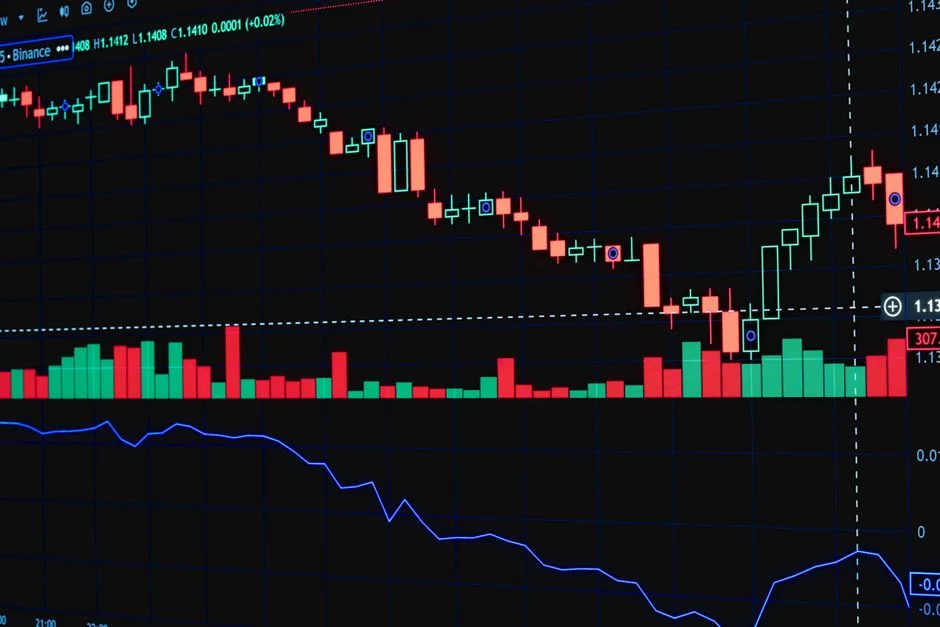
Domo, the data analytics company that once commanded a $2.8 billion valuation and counted former Secretary of State Colin Powell among its early backers, is now fighting for its survival after years of financial deterioration and executive departures. The Utah-based company's shares have cratered, its revenue growth has stalled, and industry observers question whether Domo can remain independent. Business Insider reported that the company has slashed costs and pursued strategic alternatives as its market position has eroded.
Rising Star to Market Casualty
Domo launched in 2010 with ambitious promises to disrupt the business intelligence market by making data analytics accessible to ordinary business users. The company raised hundreds of millions of dollars from venture capital firms and achieved unicorn status — a private startup valued at more than $1 billion — by 2014. Founder Josh James, who previously built Omniture into a $1.8 billion company before selling it to Adobe, served as CEO and public face of the company through its initial public offering in 2018.

The IPO priced shares at $21 each, giving Domo an initial valuation around $690 million on a revenue base that never quite matched investor enthusiasm. That valuation would later swing wildly — briefly touching $2.8 billion during the pandemic-era tech boom before entering a prolonged decline. The company never achieved the profitability that public markets eventually demanded from software businesses.
Financial Metrics Tell a Grim Story
Domo reported annual revenue of approximately $260 million in its most recent fiscal year, but the growth trajectory that once justified billion-dollar valuations has evaporated. The company has posted consistent net losses, with operating expenses consuming revenue at rates that concerned investors long before the current survival struggle. Stock performance reflects this deterioration — shares have lost more than 90% of their value from peak levels.
Cash reserves have become a critical concern. Domo reported $115 million in cash and cash equivalents at the end of its most recent quarter, but with monthly burns averaging several million dollars, the runway for independent operations has shortened considerably. The company has not filed for bankruptcy protection, but sources familiar with internal deliberations suggest management has explored sale options without finding willing buyers at prices that would reward shareholders.
Leadership Exodus Accelerates Decline
The departure of key executives has compounded Domo's strategic confusion. Several senior vice presidents and regional leaders left during 2022 and 2023, creating instability in a company already struggling to execute its vision. Board members have engaged in difficult conversations about the company's future direction, weighing options that range from aggressive cost cuts to formal restructuring processes.
James stepped down as CEO in January 2023, replaced by board member John Mellor-Gram, who assumed the top role with a mandate to stabilize operations. The leadership transition brought temporary optimism, but subsequent quarters produced disappointing earnings reports that eroded confidence in the new management team's ability to reverse course. Analysts covering the company note that Domo has struggled to articulate a compelling differentiation from larger competitors like Salesforce, Microsoft, and Tableau, which was acquired by Salesforce for $1.6 billion in 2019.
Competitive Landscape Grows More Hostile
The business intelligence market has transformed dramatically since Domo's founding, with cloud-native platforms and embedded analytics capabilities becoming standard expectations rather than differentiators. Snowflake, which went public in 2020, has captured much of the enterprise data warehouse market that Domo once targeted. Microsoft has invested billions in Power BI, making it a default option for organizations already committed to Azure. Google Looker and Amazon QuickSight have similarly crowded the mid-market.
Legacy competitors have not stood still either. TIBCO Software acquired Domo rival Information Builders in 2020, consolidating capabilities that once competed separately. Open-source alternatives like Metabase and Apache Superset have gained traction among cost-conscious customers unwilling to pay premium prices for functionality now available at lower price points. Domo's positioning between enterprise incumbents and free alternatives has proven increasingly difficult to defend.
Investor Losses Mount as Alternatives Narrow
Institutional investors who bought Domo shares during the 2020-2021 growth period have suffered severe losses. The company's largest shareholders include several prominent venture capital firms that held through the IPO and continue to hold significant positions despite paper losses exceeding 80%. These investors face difficult decisions about whether to liquidate holdings at current prices or hold hoping for a recovery that analysts increasingly view as unlikely.
Short sellers have circled Domo for months, betting that the company's financial position will deteriorate further. Short interest as a percentage of float has risen, reflecting bearish sentiment among market participants who see limited path to profitability at current revenue levels. The combination of negative sentiment and limited trading volume has made it difficult for shareholders to exit positions without significantly moving the market against them.
Cost-Cutting Efforts Fall Short
Domo has implemented workforce reductions and facility consolidations in attempts to extend its operational runway. The company closed offices in several locations, shifting remaining employees to remote arrangements that management initially resisted. These adjustments have reduced operating expenses but not sufficiently to offset revenue stagnation and the fundamental challenges of competing in an increasingly commoditized market.
The company has also restructured its sales organization, attempting to shift from enterprise direct sales toward partner-channel models that carry lower customer acquisition costs. Early results from this strategic pivot have been mixed, with some partners reporting frustration with Domo's technical capabilities and pricing flexibility. The sales restructuring has not produced the new revenue streams that executives promised when announcing the initiative.
What Comes Next for Domo
Industry observers are closely watching for announcements regarding Domo's strategic alternatives process, which sources indicate remains active despite the absence of public developments. A sale to a private equity firm or strategic acquirer appears to be the most likely outcome if Domo cannot dramatically improve its financial performance before cash reserves become critically depleted. Bankruptcy protection, while not the base case, can no longer be dismissed as an unlikely scenario.
The company's next earnings report, expected within the next six weeks, will provide critical data points about whether recent cost-cutting measures have improved profitability metrics. Domo has scheduled no investor day or strategic update events, leaving shareholders to parse quarterly disclosures for signs of operational improvement. The broader market for software IPOs has shown recent signs of recovery, but that does little for a company whose fundamental business trajectory has diverged sharply from initial investor expectations.
See Also
- Mark Mushiva Exposes Forensis' Role in Computer Chip Development — Here's Why It Matters
- Doctors in England Announce Six-Day Strike as Talks Collapse
The company's largest shareholders include several prominent venture capital firms that held through the IPO and continue to hold significant positions despite paper losses exceeding 80%. These investors face difficult decisions about whether to liquidate holdings at current prices or hold hoping for a recovery that analysts increasingly view as unlikely.