Amazon's Prime Day 2026 MacBook deals have emerged as a bellwether for the premium consumer electronics market, with discounts reaching 20-30 percent below standard retail pricing. The MacBook Air dropped to $849 from its regular $1,099, while the MacBook Pro fell to $1,449 from $1,999. These price cuts, though framed as limited-time offers, are reshaping expectations across the retail sector.
Why Amazon Discounts Premium Hardware
Amazon's strategy is clear: use MacBooks as customer acquisition tools. Even with thin margins on hardware, the company knows that once customers join Prime, they spend more on subscriptions, media content, and everyday essentials. Prime subscription revenue alone exceeds $35 billion annually, according to the company's latest annual report.
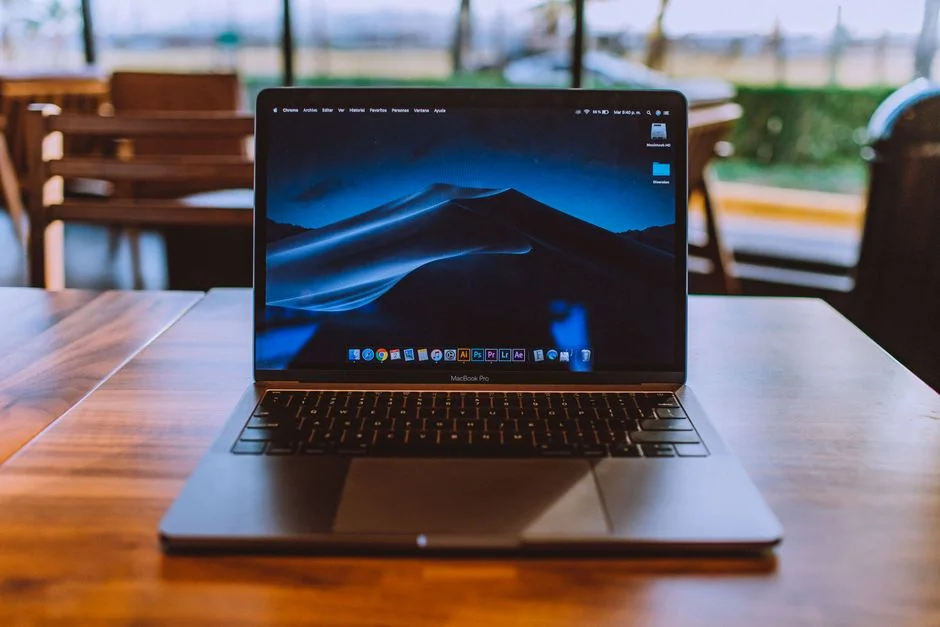
The economics work in Amazon's favour. A customer who buys a discounted MacBook often remains in the Prime ecosystem for years, generating far more value than the margin lost on the original purchase. This customer lifetime value calculation explains why Amazon promotes Apple products aggressively during its flagship sales event.
What This Means for Apple
For Apple, Prime Day creates a more complex picture. The company has worked hard to maintain its premium positioning, but deep discounts can erode that carefully cultivated exclusivity. Apple's official store sets minimum advertised price policies, though third-party sellers operate with more flexibility.
On the positive side, the deals drive volume that might not exist at full price. Apple products consistently rank among the top sellers during Prime Day, with internal data showing electronics as the second-largest category by revenue.
Competitors Feel the Pressure
Other major retailers face a difficult choice. They can match Amazon's prices and accept lower margins, fall behind in market share, or try to differentiate through service and speed. Some independent electronics retailers lack the scale to compete on price at all, forcing them to focus on expertise or faster delivery instead.
Smaller Retailers Adapt or Exit
Regional chains and independent stores report that Prime Day has forced them to specialise in areas Amazon cannot easily replicate. Extended warranties, in-person technical support, and same-day setup services have become key differentiators for survival in the premium electronics space.
What Investors Should Watch
Prime Day generates substantial revenue, but the actual profit picture remains murky. Third-party estimates suggest gross merchandise volume during the 48-hour event ranges from $12-14 billion across all categories. The question for investors is whether Amazon's promotional strategy actually generates enough downstream revenue to justify the short-term margin hit.
Apple shares have shown resilience even as its products are discounted heavily by retailers. Analysts attribute this to strong services revenue and iPhone sales that offset any brand dilution concerns from Prime Day pricing.
Economic Implications Beyond Retail
The Prime Day MacBook deals reflect a broader pattern in consumer electronics: premium products are increasingly used as loss leaders by platforms seeking to lock in customers. This dynamic has implications for manufacturers, traditional retailers, and consumers alike.
If consumers grow accustomed to 20-30 percent discounts on premium laptops, brands may face pressure to adjust their regular pricing strategies. This conditioning effect could reshape how the entire category is priced across the retail landscape.
Looking Ahead
Prime Day 2026 runs through Thursday, with Amazon expected to release updated sales figures early next week. The company declined to comment on specific product performance ahead of those announcements.
Retail analysts expect the competitive pressure to intensify in coming years as more retailers develop their own promotional events targeting the same premium electronics buyer. Amazon's ability to convert MacBook buyers into long-term Prime subscribers will remain a key metric for investors tracking the company's growth trajectory. Watch for Apple's next quarterly earnings call for official commentary on how Prime Day affected MacBook sales figures.
See Also
- Trust Services Digital Shift Triggers Market Volatility
- Quantum Computing Threatens US Markets — Y2K Crisis Looms
Analysts attribute this to strong services revenue and iPhone sales that offset any brand dilution concerns from Prime Day pricing.Economic Implications Beyond RetailThe Prime Day MacBook deals reflect a broader pattern in consumer electronics: premium products are increasingly used as loss leaders by platforms seeking to lock in customers. Some independent electronics retailers lack the scale to compete on price at all, forcing them to focus on expertise or faster delivery instead.Smaller Retailers Adapt or ExitRegional chains and independent stores report that Prime Day has forced them to specialise in areas Amazon cannot easily replicate.
What is the latest news about amazon prime day macbook deals reveal shifts in premium tech market?
Why does this matter for artificial-intelligence?
What are the key facts about amazon prime day macbook deals reveal shifts in premium tech market?