Google's Android earthquake alert system warned users across Venezuela just seconds before seismic waves reached the surface, the company confirmed. The free service, built directly into smartphone operating systems, uses a distributed network of accelerometers to detect ground movement and push alerts to devices in the affected area.
How Google's Detection Network Works
The system harnesses the accelerometers embedded in millions of Android smartphones. When multiple devices in a concentrated area register similar vibration patterns simultaneously, Google's servers interpret the collective data as an earthquake signature. The algorithm then calculates the epicenter and magnitude before sending push notifications to phones located within the predicted impact zone.
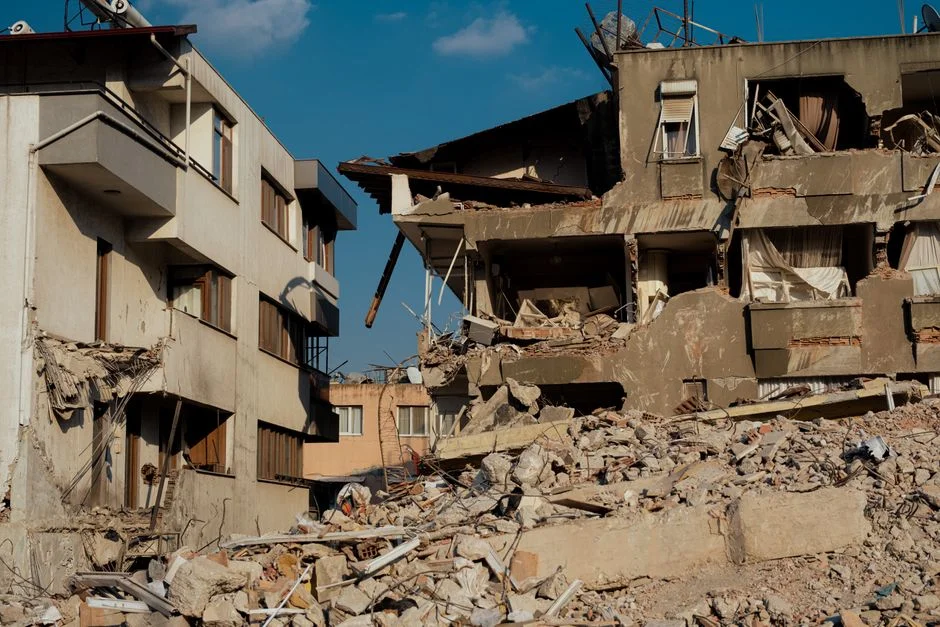
Google's servers can dispatch alerts faster than seismic waves travel through the ground. The service leverages the gap between the faster-moving primary waves and the more destructive secondary waves that follow, giving users precious seconds to drop, cover, and hold on.
Venezuela's Seismic Exposure
Venezuela sits along the Caribbean tectonic plate boundary, making it prone to seismic activity. The country's major population centers, including the capital Caracas, have experienced damaging earthquakes in recent decades. For businesses operating in the region, earthquake risk represents a significant factor in insurance premiums, infrastructure investment decisions, and supply chain resilience planning.
The Venezuelan event underscores a broader trend: technology companies are increasingly positioning themselves as providers of public safety infrastructure. Google's approach bypasses the need for dedicated government seismometer networks, instead relying on hardware already in consumers' pockets.
Commercial Implications for Risk Management
For the insurance sector, widely deployed earthquake detection systems could eventually influence risk modeling. If a business can demonstrate it receives real-time alerts and has response protocols in place, insurers may offer more favorable terms. Several commercial property insurers already partner with early warning startups to differentiate their offerings in earthquake-prone markets.
Manufacturing facilities in seismic zones represent another commercial opportunity. Automated systems can receive earthquake alerts and initiate shutdown procedures for hazardous equipment, potentially reducing damage and liability. The economic case strengthens as sensor networks become more reliable and response times improve.
Competition in Public Safety Technology
Google's earthquake alert service competes with government-operated systems such as the United States Geological Survey's ShakeAlert network, which powers alerts through FEMA's Wireless Emergency Alert system. Apple has introduced similar earthquake detection capabilities in iOS, creating a duopoly in smartphone-based early warning.
The market for disaster prediction and response technology is expanding rapidly. Investors have poured capital into companies developing seismic sensors, satellite imaging for damage assessment, and AI-powered emergency response platforms. The successful deployment of Google's system in Venezuela adds credibility to the crowdsourced detection model.
Market and Investment Considerations
Several publicly traded companies stand to benefit from increased adoption of earthquake detection technology. Companies manufacturing seismic sensors for industrial applications could see growing demand. Cloud computing providers hosting the data processing infrastructure for early warning systems represent another investment theme gaining attention.
The earthquake detection market overlaps with the broader natural catastrophe modeling industry, which serves reinsurance companies, sovereign wealth funds, and municipal bond investors assessing risk in seismically active regions. Improved detection and communication systems may eventually affect how these parties price and manage seismic risk.
Privacy and Data Concerns
The crowdsourced detection model raises questions about data usage. Google's system processes accelerometer data from participating devices but anonymizes individual contributions before analysis. The company has stated it does not sell location data derived from the earthquake detection service.
Privacy advocates have raised concerns about the potential for accelerometer data to be used for surveillance purposes. Regulators in several jurisdictions are examining whether existing data protection frameworks adequately cover sensor data aggregation for public safety purposes.
Global Expansion Plans
Google has been steadily expanding its earthquake alert coverage since launching the service in 2020. The system now operates in multiple countries including New Zealand, Japan, Turkey, and the Philippines. The company has announced plans to extend coverage to additional seismically active regions where smartphone penetration is high but government warning infrastructure is limited.
The model holds particular appeal for emerging markets where installing and maintaining dedicated seismometer networks faces budget and logistical constraints. For investors evaluating exposure to emerging market technology adoption, widespread smartphone-based safety services represent a concrete use case for mobile infrastructure investment.
What Comes Next
Google plans to refine its detection algorithms using data from the Venezuela event and previous earthquakes. The company is working to reduce alert latency further and improve accuracy in magnitude estimation, which affects the geographic scope of notifications.
For markets, the test will be whether smartphone-based detection can achieve reliability levels comparable to professional seismometer networks. If the technology proves consistently accurate, adoption could accelerate among businesses and governments seeking cost-effective alternatives to dedicated early warning infrastructure. Investors should monitor expansion announcements and any documented instances where alerts successfully triggered protective actions.
See Also
- KZN Police Launch Manhunt for Speeding Driver After Viral Video
- Japan's Go Races Toward Robotaxis After IPO Success — and Investors Are Watching