Italian data protection authorities have ordered Apple to allow iPhone users in Europe to use third-party services for device backups, marking a significant escalation in the regulatory battle over tech platform control. The ruling, issued by Italy's Garante per la protezione dei dati personali, could reshape how Apple manages its software ecosystem across the continent.
Italian Authority Issues Historic Order
The Italian Data Protection Authority confirmed the order this week, targeting Apple's practice of restricting iPhone backups exclusively to its own iCloud service. The ruling applies to all Apple users in Italy, though regulators across the European Union are expected to adopt similar positions under the Digital Markets Act framework.
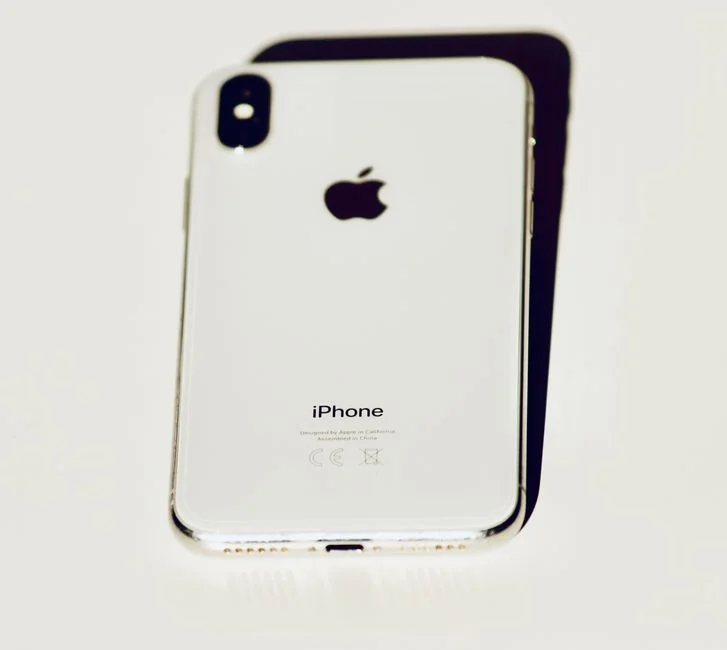
Authorities determined that Apple's exclusive backup system violates fair competition principles and restricts consumer choice. The order requires Apple to enable interoperability with competing cloud storage providers for backup functions within 60 days or face financial penalties.
What the Ruling Covers
The decision specifically targets how iPhone users transfer and store device data. Currently, users who want to back up photos, messages, app data, and settings must use iCloud, Apple's proprietary service. The Italian ruling demands that Apple open this functionality to rivals including Google Drive, Dropbox, and Microsoft OneDrive.
Technical Requirements Under the Order
Apple must modify iOS to allow users to select their preferred backup provider during device setup and throughout regular use. The company must also ensure third-party services can access the same backup APIs that iCloud uses. Industry analysts estimate this requires significant engineering work on Apple's part.
The Garante stated that Apple deliberately designed its system to lock users into iCloud, gaining an unfair advantage in the cloud storage market worth an estimated $20 billion annually across Europe.
Apple's Response and Market Position
Apple declined to comment on the specific ruling but pointed to existing privacy protections in its backup ecosystem. The company has faced similar regulatory pressure in the United Kingdom and Germany over the past 18 months.
Investors reacted cautiously to the news. Apple shares dipped 1.2% in after-hours trading following the announcement, reflecting concerns that European regulators are increasingly willing to force structural changes to Apple's business model.
Broader European Regulatory Context
The Italian decision aligns with the European Union's Digital Markets Act, which designates Apple as a gatekeeper and requires the company to open certain platform features to competitors. The DMA, which took full effect earlier this year, carries potential fines of up to 10% of global annual revenue for violations.
This is not the first DMA-related challenge Apple has faced in Europe. The company already modified its App Store policies following EU enforcement actions and changed how it allows alternative payment systems in the region.
Impact on Cloud Storage Market
The ruling could reshape the European cloud storage landscape significantly. Currently, iCloud holds a dominant position among iPhone users simply because it is the default and easiest option. Competitors have long argued this arrangement amounts to anticompetitive bundling.
Cloud storage providers stand to gain millions of new potential customers in Europe if Apple complies with the order. Analysts at Bernstein Research project that Google, Microsoft, and independent providers could capture between 15% and 25% of the iPhone backup market within two years of full implementation.
Technical and Security Questions
Apple has previously argued that restricting backups to iCloud ensures consistent security standards across all user data. The company encrypts iPhone backups end-to-end, meaning even Apple cannot access the stored information.
Security researchers note that mandating interoperability could complicate this encryption model. Third-party providers use different security protocols, and Apple would need to ensure its devices work seamlessly with varying encryption standards while maintaining user privacy.
What Comes Next
Apple has 60 days to appeal the Italian ruling through European courts or comply with the order. The company is expected to pursue legal challenges, arguing that the requirement undermines user security and requires unreasonable technical changes to its operating system.
Consumer groups in France, Germany, and the Netherlands have already indicated they will seek similar rulings in their jurisdictions if Apple successfully challenges Italy's decision. The European Commission has separately opened proceedings examining whether Apple's backup restrictions violate DMA obligations.
Watch for Apple's next filing in the Milan Court of Appeals. A ruling there by October will signal whether European regulators can successfully force Apple to fundamentally change how it manages user data on the continent.
See Also
- Cloud Security Alliance Warns of Agent Sprawl Crisis as South Africa Tightens Banking Rules
- Tennessee Softball Faces Texas Tech—TV Schedule Sparks Economic Interest