Blockchain technology has moved far beyond its origins as the engine powering cryptocurrency transactions. Today, the distributed ledger system that records data across a network of computers rather than in a single location is reshaping how businesses operate, how financial institutions function, and how investors allocate capital. With enterprise spending on blockchain solutions projected to reach $6.6 billion globally in 2022, according to data from the technology research firm IDC, the economic implications are impossible to dismiss.
What Blockchain Actually Is
At its core, blockchain is a database that stores information electronically. Unlike traditional databases managed by a single entity, blockchain spreads its data across a network of participating computers, known as nodes. Each new entry, or block, connects to the ones before and after it, creating an immutable chain that cannot be altered retroactively without consensus from the network majority.
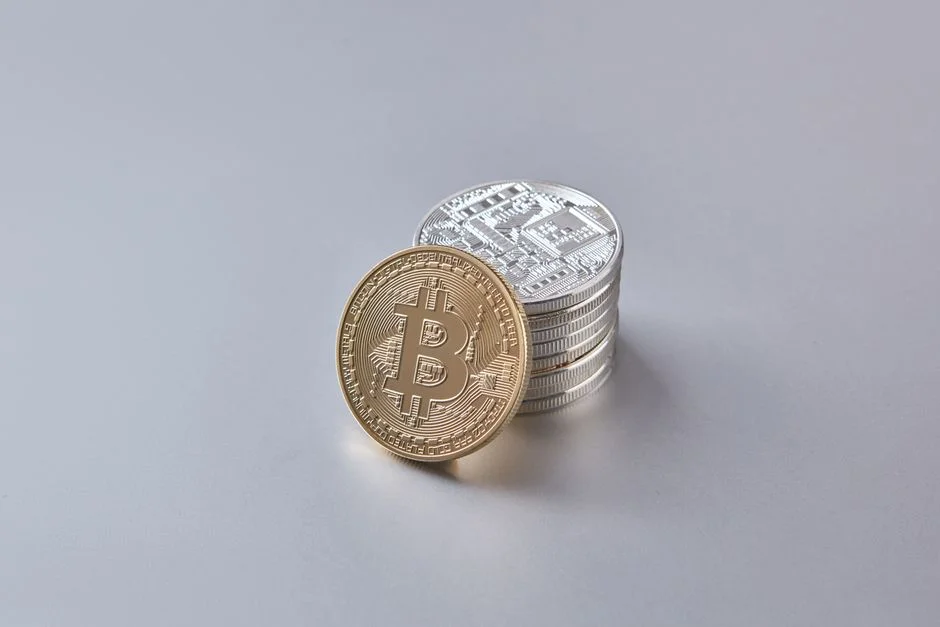
The technology eliminates the need for intermediaries in many transactions. When two parties exchange value through a blockchain network, the system itself verifies and records the exchange. This disintermediation carries profound implications for industries built on trusted third parties: banking, legal services, real estate, and supply chain management among them.
The Economic Case for Adoption
Businesses have embraced blockchain for reasons that extend beyond technological novelty. A 2022 survey by Deloitte found that 85% of executives considered blockchain important or very important to their organisations' success over the next five years. The rationale centres on three economic advantages: reduced transaction costs, faster settlement times, and enhanced transparency.
Financial institutions have taken notice. JPMorgan Chase, the largest bank in the United States by assets, developed its own blockchain platform called Onyx to facilitate cross-border payments and securities settlement. The bank has processed over $700 billion in transactions through the system since its launch, demonstrating that established financial players are not merely monitoring blockchain developments but actively deploying the technology at scale.
Supply Chains and Trade Finance
One of blockchain's most tangible economic applications lies in supply chain management. Tracing the origin of goods through global supply networks has traditionally required vast paperwork and manual verification processes prone to error and fraud. Walmart, the retail giant, has implemented blockchain to track fresh produce from farm to store shelves, reducing the time required to trace the source of contaminated food from nearly seven days to just over two seconds.
In international trade, blockchain promises to accelerate the movement of goods. Traditional letter of credit transactions, a cornerstone of global commerce, can take up to a week to complete. Platforms like Marco Polo, developed by TradeIX in partnership with major banks, use blockchain to digitise and automate these processes, potentially cutting settlement times to hours. The implications for working capital and liquidity management are substantial for businesses of all sizes.
Investor Landscape and Market Implications
The investment community has responded to blockchain's rise with both enthusiasm and caution. The total market capitalisation of cryptocurrencies, the asset class most directly tied to blockchain technology, fluctuated between $1.5 trillion and $3 trillion in 2022, reflecting both the technology's growing legitimacy and the volatility inherent in unregulated markets.
Institutional investors have increasingly sought exposure to blockchain through diversified means. Publicly traded companies with significant blockchain operations, such as Coinbase Global and MicroStrategy, have attracted capital from traditional portfolio managers. Additionally, venture capital investment in blockchain startups remained robust, exceeding $25 billion globally in 2021 before moderating in 2022 as broader market conditions tightened.
Regulation and Market Uncertainty
Regulatory developments represent a critical variable for investors. In the United States, the Securities and Exchange Commission has signalled its intention to increase oversight of cryptocurrency markets, while the Commodity Futures Trading Commission has sought expanded authority over digital asset derivatives. The European Union advanced its Markets in Crypto-Assets regulation in 2022, creating a comprehensive framework that could serve as a template for global standards. The patchwork nature of regulation across jurisdictions creates both compliance challenges and potential competitive advantages for early movers in more permissive environments.
What Comes Next
The trajectory of blockchain adoption will depend on several factors unfolding over the coming years. Interoperability between different blockchain networks remains a technical hurdle that, if resolved, could accelerate enterprise adoption. The maturation of central bank digital currencies, with the Bahamas, Nigeria, and Jamaica having launched operational systems and China conducting extensive trials of its digital yuan, may normalise blockchain-based transactions for consumers worldwide.
For businesses considering blockchain integration, the decision framework has shifted from whether to adopt to how to implement. Early experiments have yielded lessons about scalability, energy consumption, and the organisational changes required to capture the technology's benefits. Investors should watch for further institutional adoption announcements, regulatory clarity in major markets, and quarterly earnings reports where companies disclose blockchain-related revenue and cost savings.
See Also
- Governo Adjusts IRS Rules, Expands Deductions for Domestic Work Costs
- South Africa Faces Ransomware Surge — Markets React
Platforms like Marco Polo, developed by TradeIX in partnership with major banks, use blockchain to digitise and automate these processes, potentially cutting settlement times to hours. The total market capitalisation of cryptocurrencies, the asset class most directly tied to blockchain technology, fluctuated between $1.5 trillion and $3 trillion in 2022, reflecting both the technology's growing legitimacy and the volatility inherent in unregulated markets.Institutional investors have increasingly sought exposure to blockchain through diversified means.