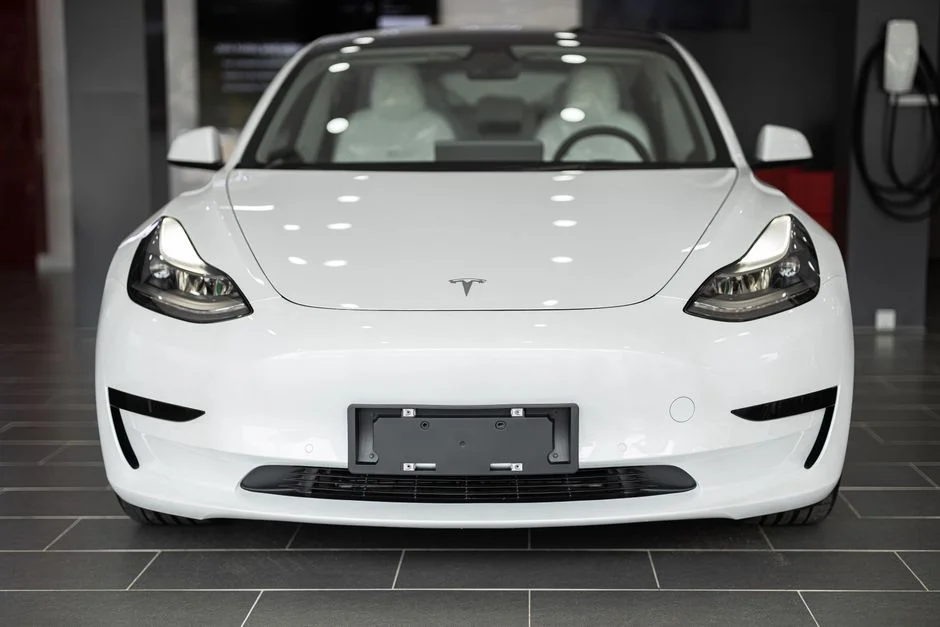
Chinese Tesla owners have discovered a workaround that bypasses the electric vehicle maker's driver monitoring system using small plastic counterweights shaped like human heads. The accessories, available online for as little as $2, slot onto the steering wheel to simulate the weight and pressure of a driver's grip, allowing Autopilot to remain engaged without any human hands on the wheel.
The $2 Gadget Gaining Traction Online
Sellers on Chinese e-commerce platforms including Taobao and JD.com have listed the devices under various names, with some listings attracting hundreds of reviews. The products typically consist of a moulded plastic sphere weighing roughly 100 grams, designed to fit snugly against the steering wheel's grip area where a driver's palm would normally rest.
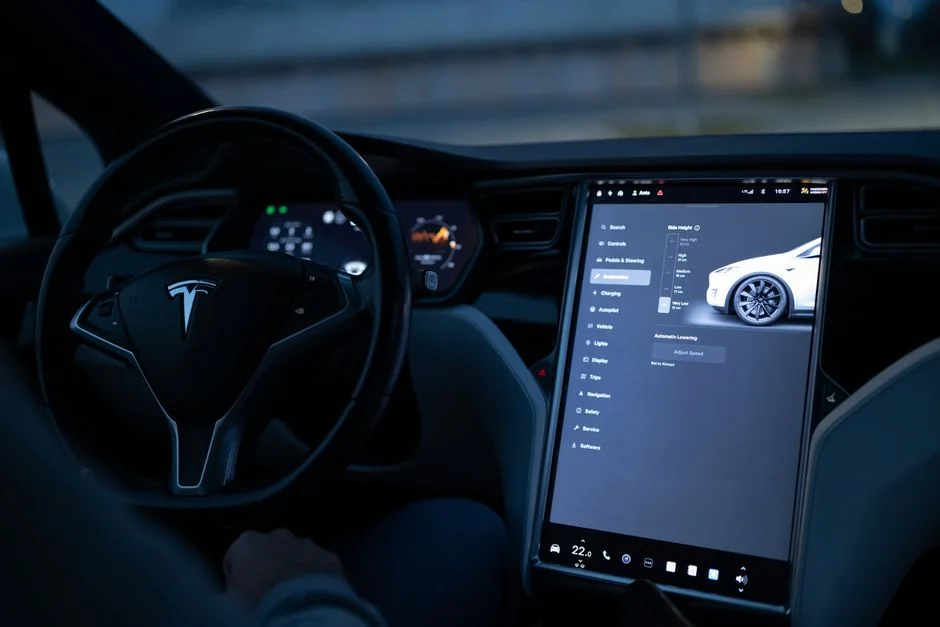
The workaround exploits a fundamental design choice in Tesla's Autopilot system. The vehicles rely on torque sensors embedded in the steering column to detect whether a driver is maintaining contact with the wheel. When drivers remove their hands, the system issues visual and audible warnings before eventually disabling Autosteer until the vehicle is restarted.
Videos demonstrating the technique have accumulated millions of views on Chinese social media platforms, with users openly discussing how to maintain Autopilot engagement during extended highway journeys. The trend has raised serious questions about whether existing safety measures are sufficient to prevent misuse of advanced driver assistance features.
Safety Implications Under Scrutiny
Tesla's cabin camera system, introduced in certain markets, is designed to monitor driver attention by tracking eye movements and head position. However, sources familiar with the matter indicate the system does not prevent the steering wheel trick from functioning in regions where this hardware has not been activated or where local regulations do not mandate its use.
The National Highway Traffic Safety Administration in the United States has previously launched investigations into Tesla Autopilot incidents involving fatalities. Agency records show at least 13 separate probes into crashes where Autopilot was engaged at the time of impact.
Consumer advocates argue that any mechanism allowing drivers to bypass safety interlocks represents a systemic vulnerability rather than isolated cheating. The Insurance Institute for Highway Safety has called for standardised requirements governing how manufacturers detect and respond to improper system use.
Tesla's Position and Investor Concerns
Tesla has not issued a public statement addressing the specific workaround. The company has consistently maintained that Autopilot requires active driver supervision and that its systems include multiple safeguards against misuse. Tesla shares fell 1.2 percent in early trading on Thursday following media reports about the circumvention method.
Wall Street analysts have begun factoring regulatory risk into their valuations. Several investment banks recently downgraded their price targets for Tesla citing concerns about autonomous vehicle liability frameworks. Morgan Stanley analysts noted in a research note that regulatory uncertainty represents "a material headwind" for the company's expansion into full self-driving technology.
Regulatory Response Taking Shape
China's State Administration for Market Regulation has indicated it is reviewing the matter. Officials at the ministry said existing type-approval standards for driver assistance systems do not explicitly address tampering with steering torque inputs, a gap that may require legislative attention.
The European Union's UN R79 regulation, which governs steering automation systems, requires manufacturers to implement measures preventing foreseeable misuse. Legal experts suggest the plastic head workaround could prompt reinterpretation of what constitutes adequate protection against driver disengagement.
Insurance premiums for Tesla vehicles equipped with Autopilot have already diverged from comparable models in several markets. Underwriters at Lloyd's of London have flagged driver monitoring bypass as a factor that could influence future pricing models for electric vehicles with advanced assistance features.
Implications for the Autonomous Vehicle Industry
The episode exposes a tension between convenience and safety that the broader autonomous vehicle sector must confront. Competitors including Waymo, Cruise, and traditional automakers developing similar systems face analogous vulnerabilities that may require hardware redesign rather than software patches alone.
Manufacturers are now weighing whether to transition toward camera-based driver monitoring as the primary method of engagement verification, effectively rendering torque-based detection obsolete. Industry consultants estimate a full hardware overhaul would add approximately $150 to the bill of materials for each vehicle produced.
The incident also raises questions about liability frameworks. Should a crash occur while a driver is using a bypass device, courts in multiple jurisdictions may need to determine whether the manufacturer, the vehicle owner, or the accessory seller bears responsibility for the failure of safety systems.
What Watchdogs Plan to Do Next
Regulators in Washington and Brussels are expected to hold technical workshops with automotive manufacturers in the coming months to discuss updates to type-approval standards. The National Transportation Safety Board has scheduled a public hearing for November examining lessons learned from Autopilot-related incidents.
Tesla is required to submit updated documentation on its driver engagement verification methods during the next scheduled review cycle with US safety authorities. Whether the company opts for hardware modifications or enhanced software detection remains the central question investors and regulators will be monitoring closely.
See Also
- Bolt SA Tightens Controls After Fatal Profile Misuse Case — Here's What Investors Should Know
- Chip Selloff Erases $1 Trillion in Market Value — What Failed Next
Morgan Stanley analysts noted in a research note that regulatory uncertainty represents "a material headwind" for the company's expansion into full self-driving technology.Regulatory Response Taking ShapeChina's State Administration for Market Regulation has indicated it is reviewing the matter. Legal experts suggest the plastic head workaround could prompt reinterpretation of what constitutes adequate protection against driver disengagement.Insurance premiums for Tesla vehicles equipped with Autopilot have already diverged from comparable models in several markets.