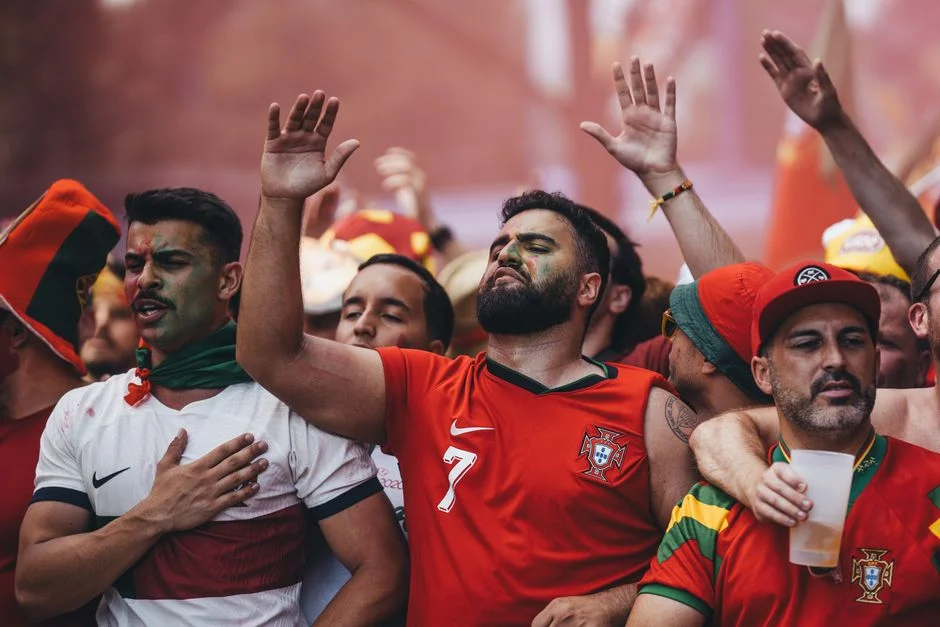
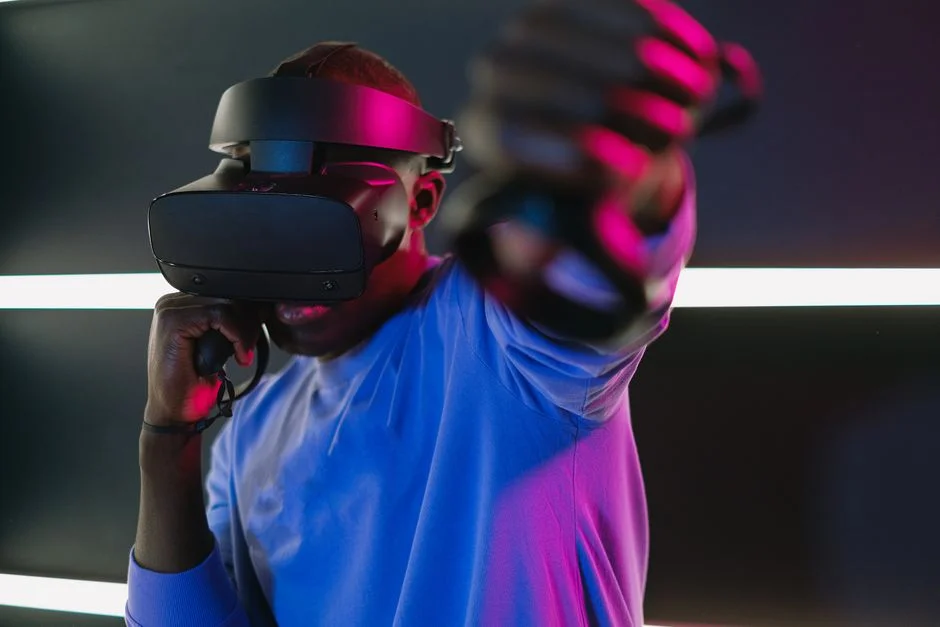
The BBC unveiled a dedicated World Cup application on Monday, betting that the tournament's expanding global footprint will translate into record-breaking digital engagement and advertising revenue. The app offers live commentary, match statistics, and exclusive behind-the-scenes content designed to capture audiences who increasingly consume sports on mobile devices rather than traditional television broadcasts.
A Tournament Outgrowing Traditional Broadcasts
The World Cup has become the single most-watched sporting event on the planet, with FIFA reporting that over 5 billion people tuned in across its last edition. That figure represents more than half the world's population, and broadcasters are scrambling to ensure they capture every possible viewer as the tournament grows. The BBC's decision to launch a standalone app signals how major media companies are reshaping their strategies around mega-events that command unparalleled audience attention.

Industry analysts estimate that World Cup broadcasting rights generate more than $4 billion per cycle for FIFA, with European and North American markets commanding premium advertising rates. The BBC's new app targets not just traditional viewers but also younger demographics who expect content delivery on demand, on any device, wherever they happen to be. The corporation faces pressure to justify its license fee model by demonstrating reach, and a World Cup app serves that purpose directly.
Digital Strategy Meets Sporting Spectacle
The app includes features unavailable on standard broadcast television: multi-camera angle selection, real-time tactical breakdowns, and push notifications for goals and match-ending moments. BBC executives confirmed the platform was built specifically for this tournament after internal research showed that 67% of sports audiences now expect mobile-first content experiences. The development cost represents a significant investment for the corporation, one that media analysts say will only pay off if the tournament delivers the viewership numbers that past events have promised.
Sports marketing executives in New York and London say the app positions the BBC to capture a larger slice of the digital advertising market that traditionally flowed toward social media platforms during major tournaments. Facebook, Twitter, and YouTube have dominated World Cup conversation in recent cycles, but broadcasters with dedicated apps can now retain control over user data and engagement metrics that advertisers increasingly demand. The economic logic is straightforward: audiences on a broadcaster's own platform generate higher-value advertising impressions than those scattered across third-party social networks.
The Advertising Goldmine Behind the Scenes
Global brands spent an estimated $2.4 billion on World Cup-related advertising during the last tournament cycle, according to data from GroupM, the media investment firm. That figure is expected to climb as digital consumption habits shift and sponsors seek more sophisticated ways to reach audiences beyond 30-second television spots. The BBC app opens opportunities for pre-roll video advertising, sponsored content sections, and interactive brand integrations that television cannot offer.
In New York, sports media investment funds have taken notice. Analysts at Morgan Stanley noted in a recent report that broadcasters who successfully build direct-to-consumer platforms around marquee events create asset values that extend far beyond a single tournament. The logic mirrors what streaming services discovered with original content: ownership of audience relationships compounds over time. A BBC app that attracts 10 million active users during the World Cup becomes a platform with intrinsic value, one that can be leveraged for Champions League coverage, Olympics content, and future sporting rights negotiations.
Global Markets React to World Cup Economics
The economic ripple effects extend across multiple sectors. Sports betting companies, many listed on European exchanges, typically see their share prices move in anticipation of World Cup match outcomes and overall tournament engagement. Ticket demand for host nation matches has already driven hospitality sector revenues in tournament locations, with hotel occupancy rates reaching 94% during knockout stages in previous cycles. Merchandise sales, including team jerseys and official products, contribute billions more to the global sports retail market.
Broadcasting rights holders in the United States paid approximately $1 billion for rights to the 2026 World Cup, a figure that underscores how valuable live sports content has become in an era of fragmented media consumption. The BBC's app launch reflects a broader industry recognition that the World Cup's value chain has fundamentally shifted toward digital platforms, and those who fail to adapt risk losing relevance in a market where viewer expectations evolve constantly.
What Happens Next for Digital Sports Media
The success of the BBC app will be measured in download figures, daily active users, and crucially, the duration of engagement sessions during matches. Internal targets reportedly suggest the corporation expects to attract at least 25 million unique users across the tournament's six-week duration. If those numbers materialise, other broadcasters will face pressure to develop similar direct-to-consumer products for future sporting events, accelerating a transformation in how live sports reach global audiences.
Watch for engagement data released by the BBC in the weeks following each major match. Those metrics will determine whether the app represents a sustainable long-term investment or simply a one-cycle experiment. For investors tracking sports media stocks, the performance indicators from this tournament will serve as a bellwether for how broadcasting companies should allocate capital toward digital infrastructure. The World Cup, in this sense, functions as both entertainment spectacle and live stress test for the future of sports media economics.
See Also
- Scientists Inject Magnetic Fluid Into Heart, Claim Stroke Prevention Breakthrough
- Portugal Slammed in 4x400 Relay at Indoor World Championships