Russian authorities in Sevastopol announced the suspension of fuel distribution across the peninsula on Thursday, marking a significant escalation in the conflict over energy infrastructure in the Black Sea region. The move affects supply chains that extend well beyond Crimea, a territory Moscow has held since 2014.
Fuel Distribution Suspended in Sevastopol
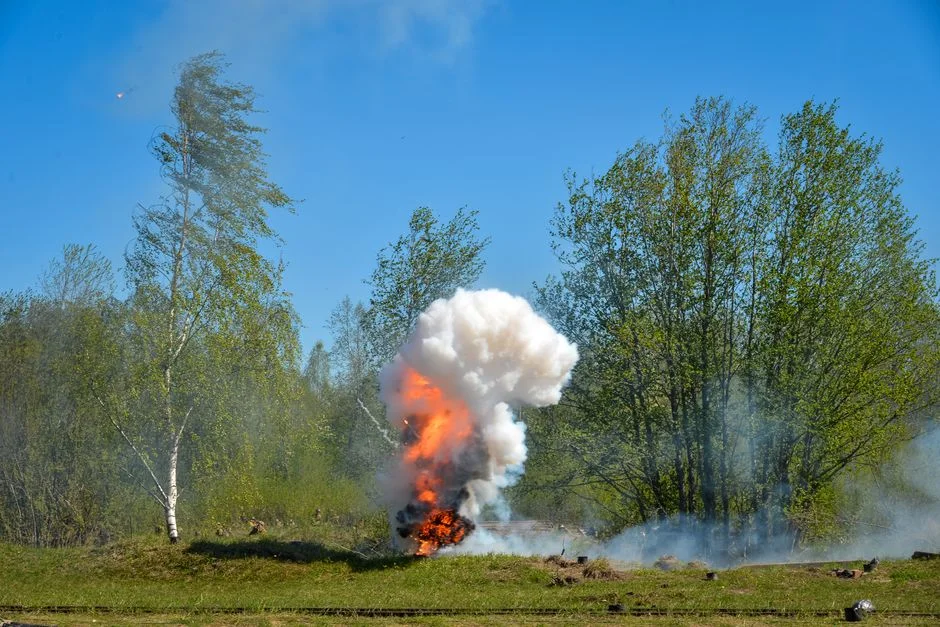
The suspension came as Ukrainian President Volodymyr Zelenskiy publicly praised his country's forces for carrying out strikes against Russian energy assets. Local officials in Sevastopol confirmed the halt, citing security concerns following what they described as repeated attacks on fuel storage facilities and related infrastructure.
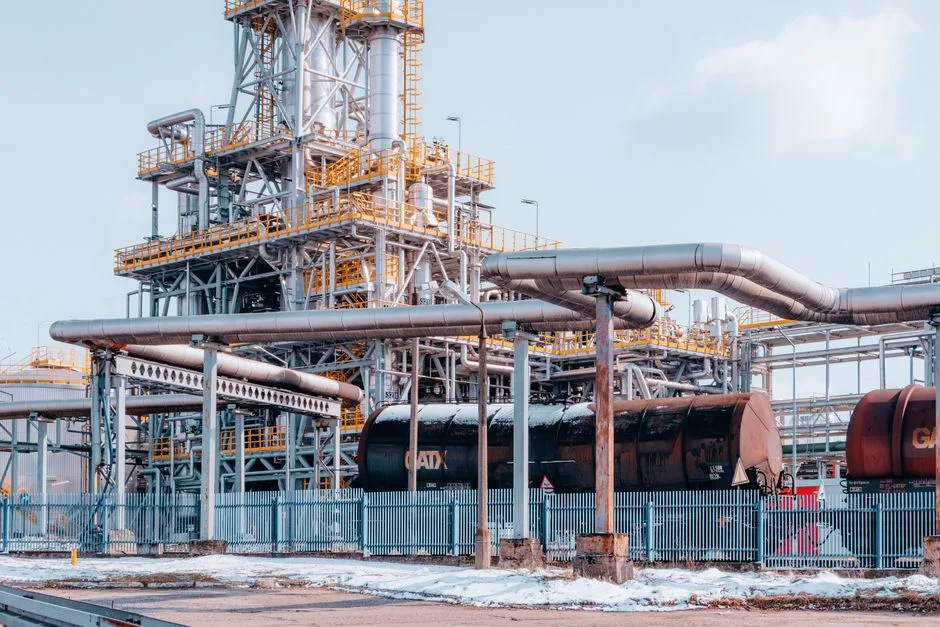
Satellite imagery reviewed by Reuters showed smoke rising from a fuel depot near Sevastopol's harbour district earlier in the week. The facility had served as a critical distribution point for petroleum products moving across the wider Black Sea region.
Zelenskiy Hails Energy Infrastructure Campaign
In his evening address, Zelenskiy said Ukraine's military had executed a deliberate campaign against Russian energy logistics. He framed the operations as part of a broader strategy to degrade Moscow's capacity to sustain its forces and economy.
The president did not provide specific details about which installations had been hit, citing operational security. Ukrainian military officials have previously targeted fuel depots, rail lines, and power stations in occupied territories.
International observers say the strikes represent a shift toward crippling Russian logistics rather than focusing solely on battlefield gains.
Supply Chain Shock Ripples Through Black Sea Markets
Traders monitoring Black Sea fuel markets reported immediate pressure following the announcement from Sevastopol. The port city serves as a transit hub for petroleum products flowing to Russian naval facilities and civilian consumers on the peninsula.
Energy analysts warn the suspension could force suppliers to reroute shipments through longer and costlier channels. Fuel transported by tanker from mainland Russia now faces additional handling time and expense.
Insurance premiums for vessels operating near Crimean waters have climbed steadily over the past month, according to maritime industry sources.
Impact on Regional Businesses
Small businesses across Crimea that depend on diesel and gasoline supplies have already reported shortages at retail outlets. Transport companies serving the tourism sector on the Black Sea coast face surging operating costs.
Industry groups in nearby Krasnodar Krai, across the Kerch Strait in mainland Russia, say they are bracing for knock-on effects on agricultural machinery and freight logistics.
Military Logistics Take a Hit
Defence analysts say the fuel suspension poses immediate challenges for Russian military operations in the region. The Black Sea Fleet, based in Sevastopol, relies on a steady fuel pipeline extending from depots that have reportedly come under Ukrainian fire.
Russian military bloggers operating in the region acknowledged the logistics strain. One channel with significant readership described the situation as a serious test of supply chain resilience.
Western officials tracking the conflict say they view energy infrastructure as a legitimate military target under international law, though Russia contests this position.
What Happens Next
Russian engineers are reportedly working to restore distribution capacity, but officials have offered no timeline for when normal operations might resume. Emergency fuel reserves have been tapped to maintain limited supply to essential services, according to local media reports.
Ukraine has signaled it intends to maintain pressure on Russian energy logistics. Military spokespeople said additional strikes could follow as conditions permit.
Watch for further announcements from both sides in the coming days. International energy markets will be tracking any signs that the disruption is spreading to other Black Sea ports or affecting global oil pricing.
See Also
- Nigeria Bans Wheat Imports — and Prices Are Already Rising
- Gujarat Chemical Fire Injures 16 Workers — Impact on Local Economy
See AlsoNigeria Bans Wheat Imports — and Prices Are Already RisingGujarat Chemical Fire Injures 16 Workers — Impact on Local Economy Impact on Regional Businesses Small businesses across Crimea that depend on diesel and gasoline supplies have already reported shortages at retail outlets.
What is the latest news about sevastopol halts fuel distribution after energy strikes black sea supply chain disrupted?
Why does this matter for environment?
What are the key facts about sevastopol halts fuel distribution after energy strikes black sea supply chain disrupted?