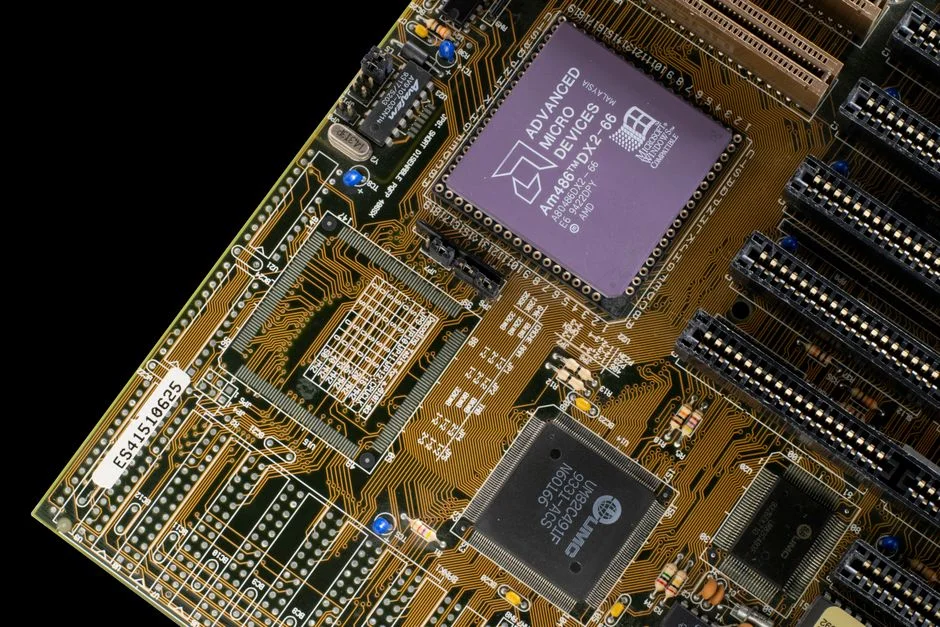
A new generation of artificial intelligence processors is reshaping the global technology landscape, with semiconductor manufacturers racing to pack unprecedented computational power into chips smaller than a human palm. The development marks a turning point in how computing resources are distributed across industries, from financial markets to national security systems.
The Chip That Changes Everything
Advanced Micro Devices unveiled its latest AI accelerator at a technology conference in San Francisco last month, claiming the processor can perform calculations that once required entire data center floors. The announcement sent ripples through stock markets, with semiconductor stocks surging across Asia, Europe, and North America.

Industry analysts at Bernstein Research estimate that the global AI chip market will reach $400 billion annually by 2027, up from roughly $80 billion in 2023. That growth trajectory is drawing investment capital from sovereign wealth funds, pension managers, and technology conglomerates alike.
The concentration of power within these small silicon squares raises immediate questions about competitive dynamics. Nvidia currently dominates the market with roughly 80 percent share, but emerging competitors from China, Israel, and South Korea are pouring resources into catching up.
Wall Street Responds to Semiconductor Supremacy
Financial markets have already priced in enormous expectations. Nvidia's market capitalization crossed $2 trillion in early trading this year, joining an elite group of companies whose total value exceeds the GDP of most nations. The Philadelphia Semiconductor Index has outperformed the broader S&P 500 by 40 percentage points over the past 24 months.
Investment firms are restructuring their technology portfolios around this theme. BlackRock, the world's largest asset manager, reported that semiconductor exposure across its funds increased by 23 percent last quarter. Smaller institutional investors are following suit, seeking exposure through dedicated chip industry funds.
The economic stakes extend far beyond stock prices. Countries are treating semiconductor capability as a matter of national competitiveness. The United States CHIPS Act allocated $52 billion in subsidies to domestic semiconductor manufacturing, while the European Union launched a 43 billion euro initiative to double its global chip production share by 2030.
The Geographic Shift in Manufacturing Power
Taiwan remains the undisputed center of advanced chip production, with TSMC manufacturing the most sophisticated processors for Apple, Nvidia, and dozens of other technology giants. However, geographic concentration has created vulnerabilities that governments are scrambling to address.
TSMC's facilities in Hsinchu produce chips using processes measured in nanometers, with the most advanced nodes reaching just 3 nanometers wide. A single manufacturing facility can cost $20 billion to construct and requires years of specialized engineering talent to operate effectively.
Arizona has emerged as the primary destination for chipmakers seeking to diversify production away from Taiwan. Intel is constructing two new fabrication plants near Phoenix, while TSMC broke ground on its first American facility in North Phoenix last December. The initial phase represents a $12 billion investment that will employ 4,000 workers.
Energy Demands Create New Bottlenecks
The race to build more powerful chips creates an ironic challenge: these processors consume enormous quantities of electricity. Data centers powered by AI accelerators already account for roughly 4 percent of global electricity consumption, and that share is climbing rapidly.
Microsoft announced plans to purchase power from three new natural gas plants in Virginia to supply its AI computing operations, a strategy that conflicts with the company's carbon neutrality pledges. Google committed to matching 100 percent of its electricity consumption with renewable energy purchases, but meeting rising demand from AI workloads is testing that commitment.
Utility companies are scrambling to keep pace. Dominion Energy began construction on a dedicated power substation for a new data center campus in Manassas, Virginia, capable of delivering 500 megawatts of capacity. That is enough electricity to power approximately 400,000 homes.
Access Inequality Deepens Global Divides
The economic consequences of concentrated AI chip power extend to developing nations that lack access to cutting-edge computing infrastructure. Countries in Sub-Saharan Africa and South Asia face higher costs and longer wait times for cloud computing services that rely on these advanced processors.
The World Bank warned in a recent report that technological inequality could widen income gaps between nations that successfully deploy AI capabilities and those that cannot. Research institutions in Kenya, Nigeria, and Bangladesh report paying premium prices for cloud computing resources, reducing their capacity to participate in AI research.
Companies providing cloud services are expanding infrastructure in emerging markets. Amazon Web Services opened a new region in Johannesburg last month, representing a $400 million investment over ten years. Microsoft announced plans for data centers in Madrid and Stockholm by 2025.
Regulatory Scrutiny Intensifies
Antitrust authorities in the United States and Europe are examining whether dominant chip manufacturers are using their positions to stifle competition. The Federal Trade Commission opened a formal investigation into Nvidia's acquisition of RunAI, a specialist in AI computing orchestration software, citing concerns about market concentration.
The European Commission published draft regulations last week that would require major chip suppliers to ensure interoperability and prevent exclusive dealing arrangements. Officials in Brussels estimate the rules could increase competition by 15 to 20 percent across the semiconductor supply chain.
China's government issued restrictions on exports of rare earth materials used in chip manufacturing, responding to American technology sanctions that limit Chinese access to advanced semiconductor equipment. The move created supply concerns for manufacturers in South Korea and Japan that depend on Chinese raw materials.
What Comes Next
The next 18 months will determine whether the semiconductor industry can sustain its current growth trajectory. TSMC is scheduled to begin mass production of 2-nanometer chips in early 2025, a technical milestone that could extend the company's competitive advantage for another generation.
Investors should monitor quarterly earnings reports from major chipmakers, paying close attention to order backlogs and inventory levels. Any slowdown in AI infrastructure spending would likely trigger significant market corrections. The Federal Reserve's interest rate decisions will also influence capital availability for the capital-intensive fabrication facilities that underpin this industry.
Beyond financial metrics, the geopolitical dimension remains paramount. Trade negotiations between Washington and Beijing this quarter could ease restrictions on technology transfers, or potentially tighten them further. The outcome will shape investment decisions across the global semiconductor industry for years to come.
See Also
- Joburg's Triple Murder Shakes Investor Confidence — Crime's Economic Toll
- Google DeepMind Partners with EVE Online, Triggering AI Market Shifts