Microsoft launched the Surface RTX Spark Dev Box on Monday at its Build conference in Seattle, a compact workstation built to run large AI models entirely on-device. The device starts at $2,999 and carries an Nvidia RTX 5000 GPU with 192GB of unified memory — hardware designed to let developers train and deploy models without routing traffic through cloud infrastructure. First units ship November 15.
A Direct Challenge to Cloud Computing Giants
The announcement strikes at a business model AWS, Google Cloud, and Microsoft Azure have relied on for years. Cloud AI services charge per token, per minute, and per gigabyte of data processed — metered billing that scales unpredictably as models grow larger. The Surface RTX Spark Dev Box offers a flat hardware purchase, shifting a developer's cost structure from recurring operational expense to a one-time capital outlay.
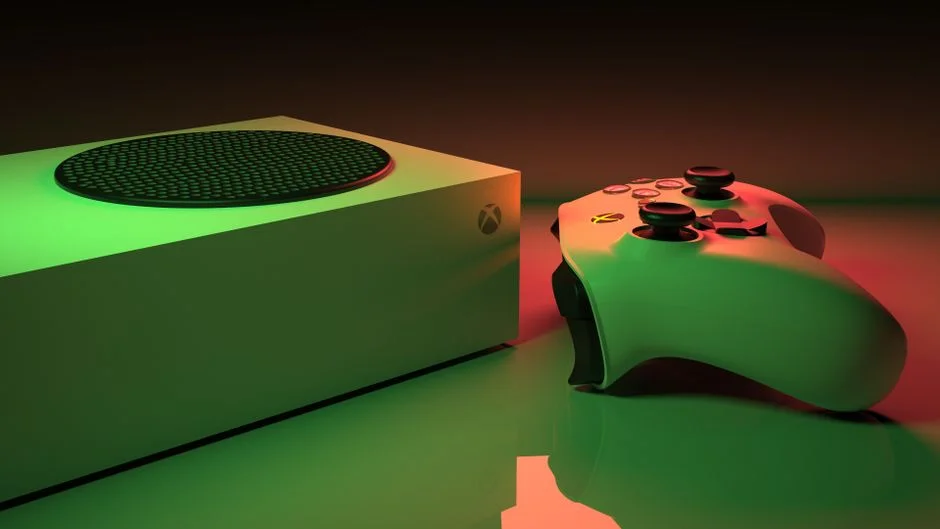
Azure's AI compute division has faced mounting pressure from enterprise clients seeking lower inference costs. By shipping a purpose-built local option under the Surface brand, Microsoft creates a competing path for its own customers. The move complicates relationships with Azure, which remains a core profit centre for the company.
Hard Numbers Behind the Pitch
Microsoft is not vague about the savings case. The company claims that a development team running 40-hour weekly inference workloads on a mid-tier cloud GPU cluster currently pays roughly $840 per month. Over 24 months, that totals over $20,000 — more than six Surface RTX Spark Dev Boxes at the base price. The math targets startups, independent researchers, and enterprise teams operating on constrained budgets.
Cloud GPU rental costs have climbed roughly 23% over the past two years as demand for model inference surged, according to data from cloud price trackers. The Surface RTX Spark Dev Box arrives at a moment when cloud compute bills are a recurring pain point in AI startup quarterly reports.
Who Is Buying This
Microsoft has designed the Dev Box for AI engineers working on foundation models, on-device inference pipelines, and privacy-sensitive deployments where data cannot leave a local machine. Financial services firms, healthcare AI developers, and defence contractors are the primary targets — sectors with strict data sovereignty requirements that cloud environments complicate.
The unified memory architecture matters here. 192GB of shared GPU and CPU memory allows models up to roughly 70 billion parameters to run without layer offloading, the technique cloud services use to split models across multiple accelerators. That threshold covers most open-weight models in active commercial use today.
Competition and Market Context
Dell and HP have sold workstation-class GPUs to AI developers for years. But neither has packaged the hardware with a purpose-built AI development environment the way Microsoft is doing. The Surface RTX Spark Dev Box ships with a custom Windows SDK, optimised CUDA kernels for the RTX 5000, and pre-installed support for Ollama, LM Studio, and similar on-device model runners.
Nvidia's RTX 5000 series GPU, the silicon backbone of this product, launched in early 2025 with 32,000 CUDA cores and 1.8TB/s memory bandwidth. It was designed for workstation rendering and AI inference, not datacenter throughput — making it an unusual choice for a flagship Microsoft hardware launch that skews toward developer audiences rather than enterprise server rooms.
Can Microsoft Win the Software Layer?
Hardware without software is just a box. Microsoft knows this. The Dev Box ships with integration into Microsoft Copilot Studio and Azure AI Foundry, allowing developers to build, test, and export models that later deploy to Azure endpoints. This keeps Azure relevant even to customers buying local hardware — a hedge against self-cannibalisation that has historically plagued hardware vendors in software-first ecosystems.
Investor Reaction and What Comes Next
Microsoft shares ticked up 1.2% in after-hours trading following the announcement. Analysts at Goldman Sachs noted in a brief that the product could dent Azure inference revenue by 2–4% over 18 months if adoption reaches projected volumes, but that Surface hardware margins and developer ecosystem lock-in would offset the impact.
The real test will be unit sales data, which Microsoft has not yet disclosed. Pre-orders opened Monday with a $200 refundable deposit. The company will release first-batch shipping allocations and enterprise pricing tiers at its October Ignite conference, where an expanded Surface RTX product line is expected to debut.
See Also
- Malema's Appeal Blocked — South Africa's Economy in Uncertain Times
- Abhijeet Dipke’s Viral Video Triggers Political Shockwave in Maharashtra