Google has rolled out a new fraud detection system inside its Phone application that alerts users when an incoming caller appears to be spoofing one of their saved contacts. The feature, now rolling out to Android devices in the United States, represents a direct response to the surge in caller ID manipulation used by phone scammers to extract money or personal data from victims.
How the New Detection System Works
The technology cross-references incoming call patterns against a user's contact list. When a number that does not match a saved contact attempts to display a name already stored in the device — a technique known as caller ID spoofing — the app flags the call as suspicious. Users see a warning on their screen before they answer, allowing them to block or report the number.
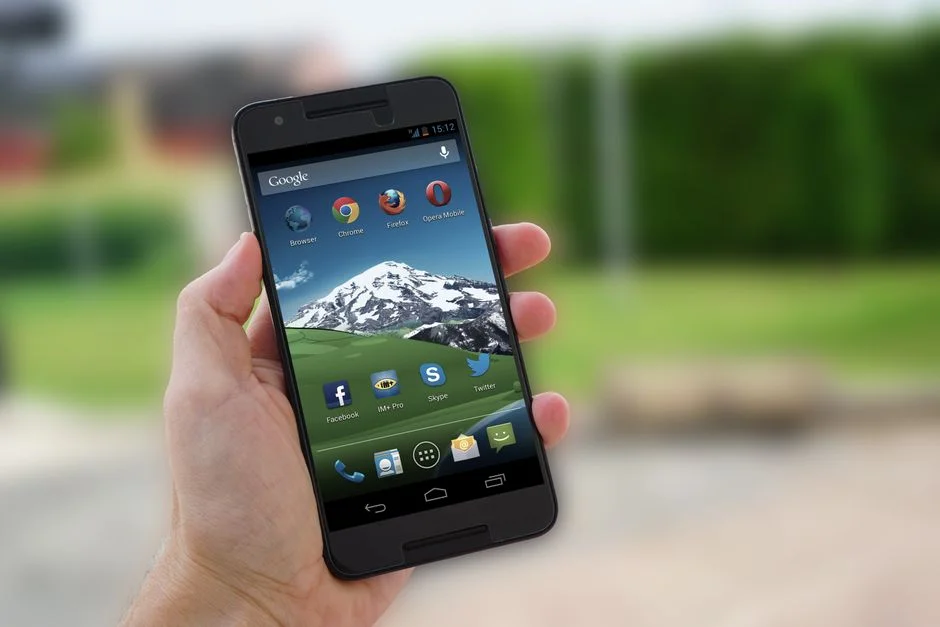
Google confirmed the feature uses on-device machine learning to analyze call metadata without routing personal data through external servers. The rollout began this week in California, Texas, and Florida before expanding nationwide over the coming months. A company spokesperson told reporters the system can detect spoofing attempts even when scammers use numbers from different area codes to mask their origin.
Economic Cost of Phone Fraud Driving Tech Investment
The move comes as phone-based fraud costs American consumers an estimated $29.8 billion annually, according to a 2024 study by Truecaller, a telecommunications analytics firm based in Stockholm. Businesses bear a significant portion of this burden through customer service disruptions, remediation costs, and the erosion of trust in phone-based transactions.
Financial institutions and healthcare providers — sectors that rely heavily on phone verification for sensitive operations — have lobbied for stronger native protections in mobile operating systems. The Google update addresses that demand directly, potentially reducing the volume of fraud attempts that reach corporate call centers.
Competition in the Call Security Market
Samsung and Apple have both introduced spam-filtering tools in recent years, but neither has published a specific feature dedicated to contact impersonation detection. Analysts at Bernstein Research noted that call authentication tools represent a growing differentiator in the Android ecosystem, where Google competes against Samsung's One UI and Xiaomi's MIUI for user loyalty.
The Phone app feature also strengthens Google's position in the enterprise communications market, where competitors like Zoom and Cisco dominate video conferencing but face overlapping competition in voice services. Security-first features appeal to corporate IT departments managing bring-your-own-device policies.
What This Means for Business Communication
For businesses that rely on phone outreach for sales and customer support, the new detection system introduces a complication: legitimate outbound campaigns may trigger spoofing warnings if caller ID systems route calls through third-party platforms. Google advised companies to register their outbound numbers through its verified caller system to avoid triggering false positives.
Small businesses without dedicated IT support face the most adjustment. A survey by the National Small Business Association found that 67 percent of members use personal mobile devices for customer calls, meaning they will receive the new warnings when interacting with clients whose contacts display incorrectly.
Investor Angle: Security as a Retention Tool
Google parent Alphabet faces pressure to demonstrate that its Android platform offers superior security to iOS, particularly as enterprise customers increasingly evaluate mobile ecosystems based on data protection credentials. The Phone app update supports that narrative without requiring significant capital expenditure, since the feature runs on existing on-device processing capabilities.
Shares of Alphabet have risen 14 percent year-to-date in 2025, outpacing the Nasdaq Composite, as investors rewarded software features that reduce churn and support premium service subscriptions. Analysts at Morgan Stanley wrote in a March note that authentication tools represent a "low-cost, high-visibility" way to maintain platform advantage against Apple in markets where security concerns influence purchasing decisions.
Google said the contact impersonation detection will extend to international markets by the third quarter of this year, starting with the United Kingdom, Germany, and Brazil. The company plans to add support for business contact verification by the end of 2025, a move that could affect how enterprise customers allocate their telecommunications budgets between Google and competitors.
See Also
- The Onion Targets Infowars With New Parody Initiative
- Yellowstone Bear Attack Triggers Tourism Revenue Anxiety
Analysts at Morgan Stanley wrote in a March note that authentication tools represent a "low-cost, high-visibility" way to maintain platform advantage against Apple in markets where security concerns influence purchasing decisions. Analysts at Bernstein Research noted that call authentication tools represent a growing differentiator in the Android ecosystem, where Google competes against Samsung's One UI and Xiaomi's MIUI for user loyalty.
What is the latest news about google unveils scam shield for phone app detects impersonation attempts?
Why does this matter for business-finance?
What are the key facts about google unveils scam shield for phone app detects impersonation attempts?