At least 13 people died and an apartment building collapsed in Ukraine after Russia launched a coordinated wave of missiles and drones overnight, Ukrainian emergency services confirmed Monday. The attack targeted multiple cities including Kyiv, Kharkiv, and Odesa, damaging residential buildings, infrastructure, and power facilities across the country. Rescue workers searched through rubble in sub-zero temperatures as officials reported dozens more wounded.
Civilian Casualties Mount as Strikes Hit Apartment Blocks
The deadliest incident occurred in Kryvyi Rih, where a nine-story apartment building partially collapsed after being struck by a Russian Kalibr cruise missile. Ukraine's State Emergency Service reported that at least four floors were destroyed, trapping residents under concrete slabs. In the Dnipro district of Kyiv, another residential building sustained severe damage, forcing thousands to evacuate in freezing conditions.
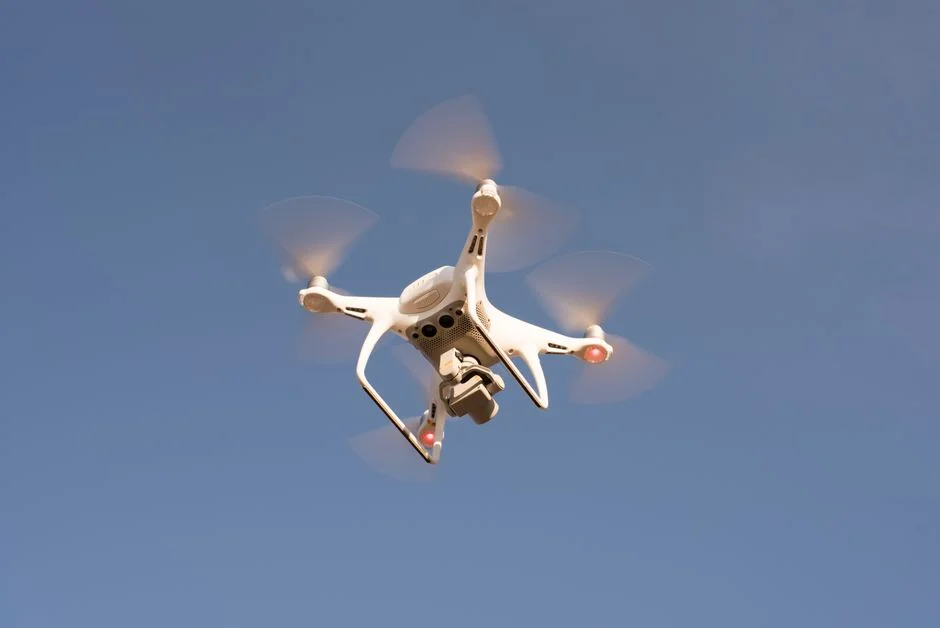
President Volodymyr Zelensky condemned the strikes in a video address, calling the attacks "another act of terror against ordinary people." The Ukrainian military's Air Force Command stated that air defense systems intercepted 34 of 58 missiles and 23 of 36 Shahed drones launched by Russian forces. The strikes came just days after Ukraine reported gains along the eastern front near Avdiivka.
Market Reactions: Energy and Defense Stocks in Focus
European natural gas futures surged 4.2 percent on Monday morning following the news, reflecting investor concerns that continued strikes on Ukrainian infrastructure could disrupt gas transit through the country. Ukraine serves as a key transit route for Russian pipeline gas to Central Europe, though flows have been severely reduced since the full-scale invasion began in 2022. Brent crude oil prices climbed $1.87 to $83.40 per barrel in Asian trading before giving back some gains.
Defense contractors saw initial buying interest on reports of increased military aid discussions. Lockheed Martin and Northrop Grumman shares both rose modestly in pre-market trading, though broader equity markets showed mixed reactions as investors weighed the regional tensions against other economic data released Monday. "This is a reminder that the conflict shows no signs of resolution," said Marcus Chen, chief investment officer at Horizon Wealth Management in New York. "Energy markets will remain volatile as long as strikes on infrastructure continue."
Western Support Under Scrutiny
The attack has intensified debates in Washington over continued military aid to Ukraine. Republican lawmakers in Congress have deadlocked over a $60 billion aid package, with some arguing the funds should be redirected to domestic priorities. Senator James Lankford of Oklahoma told reporters last week that Ukraine funding remained "under active discussion," though no floor vote has been scheduled.
Secretary of State Antony Blinken visited Kyiv last month and pledged ongoing American support, but the political calculus in an election year complicates the White House's position. A senior State Department official, speaking on background, noted that recent strikes demonstrated "the cost of allowing Ukraine's air defenses to run low." The Pentagon has prioritized delivering Patriot missile interceptors, though production constraints have limited monthly shipment volumes.
Ukraine's Air Defense Capabilities Tested
Military analysts estimate Ukraine now operates 12 Patriot battery systems, up from three a year ago, but Russia has adapted its tactics by launching missiles in waves from multiple directions and mixing decoy drones with strike aircraft. The Institute for the Study of War, a Washington-based think tank, noted that Russian planners appear to be "systematically testing the limits of Ukrainian air response times."
Humanitarian Costs Deepen
The United Nations Office for the Coordination of Humanitarian Affairs reported that at least 3.7 million Ukrainians remain displaced within the country's borders, with winter conditions creating additional pressure on shelter and heating supplies. The World Food Programme warned that food insecurity has risen 18 percent in frontline regions since October, citing both displacement and damage to agricultural processing facilities.
Local authorities in Kharkiv declared a state of emergency after strikes damaged the city's main thermal power plant, affecting heating for an estimated 120,000 residents. Mayor Ihor Terekhov stated that repair crews faced repeated challenges as Russian forces targeted the same facilities multiple times. "They know where our weak points are," Terekhov said in a post on social media. "They keep hitting the same targets."
Broader Economic Implications for Europe
Economists warn that prolonged strikes could derail Ukraine's fragile economic recovery. The World Bank projected 4.8 percent growth for Ukraine this year, but that forecast assumed relative stability in energy infrastructure. If strikes continue at current intensity, reconstruction costs could exceed initial estimates by $12 billion to $15 billion, according to Kyiv School of Economics researchers.
European Union foreign policy chief Josep Borrell announced an emergency meeting of defense ministers would take place in Brussels this Friday. The agenda includes discussions on accelerating artillery shell production and expediting air defense deliveries to Ukraine. Poland, which borders Ukraine, has increased its own military readiness along the frontier amid concerns about potential spillover effects.
What Happens Next
Ukrainian officials expect Russia to maintain its strike tempo through the spring, taking advantage of favorable weather conditions for drone operations. Military intelligence chief Kyrylo Budanov told Ukrainian television that Moscow was "preparing for a prolonged campaign of attrition against civilian infrastructure." The next tranche of American military aid could reach Ukrainian forces within weeks if Congress breaks its deadlock, though Republican leaders have offered no timeline. Investors in energy and defense sectors will watch the Brussels meeting closely, as any acceleration in Western support could shift market dynamics further.
See Also
- Xiaomi Slams Samsung's Privacy Screen Technology — Market Reactions Follow
- SpaceX Reveals Financials — Markets React to Musk’s Profit Push
A senior State Department official, speaking on background, noted that recent strikes demonstrated "the cost of allowing Ukraine's air defenses to run low." The Pentagon has prioritized delivering Patriot missile interceptors, though production constraints have limited monthly shipment volumes.Ukraine's Air Defense Capabilities TestedMilitary analysts estimate Ukraine now operates 12 Patriot battery systems, up from three a year ago, but Russia has adapted its tactics by launching missiles in waves from multiple directions and mixing decoy drones with strike aircraft. The World Food Programme warned that food insecurity has risen 18 percent in frontline regions since October, citing both displacement and damage to agricultural processing facilities.Local authorities in Kharkiv declared a state of emergency after strikes damaged the city's main thermal power plant, affecting heating for an estimated 120,000 residents.