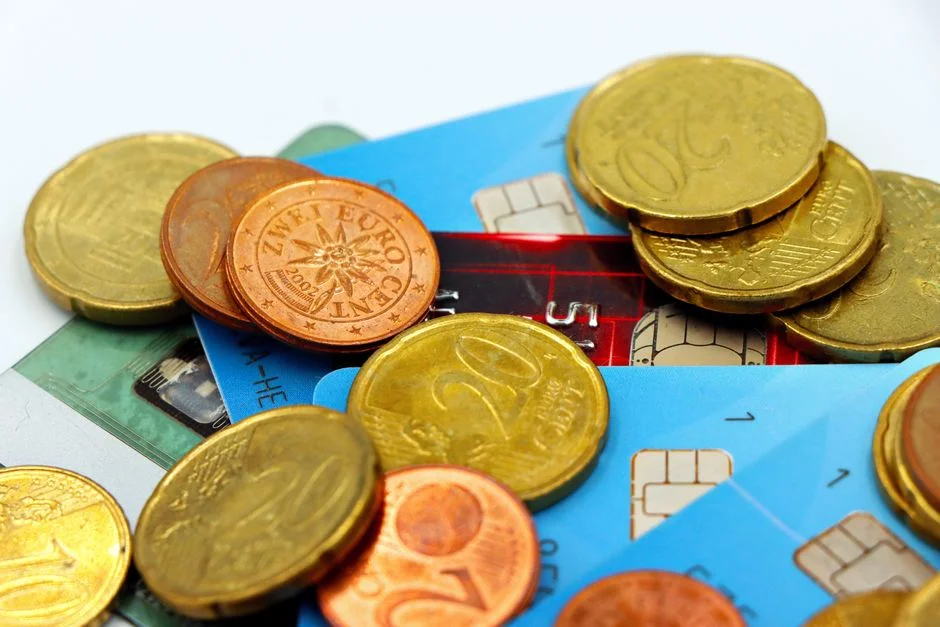
DBS Group, Singapore's largest bank, launched a feature on Thursday that transforms Android smartphones into contactless payment terminals, a move that could reshape how small merchants process transactions across the city-state. The service, called DBS Tap-to-Phone, lets any compatible Android device accept Visa and Mastercard NFC payments without additional hardware. The bank revealed the rollout follows a successful pilot involving 500 merchants in the Jurong and Tampines districts.
How the Technology Works
Merchants download the DBS Tap-to-Phone app and complete a simple registration process tied to their existing business account. Once activated, the phone accepts contactless card payments, mobile wallets, and wearable devices the same way a traditional point-of-sale terminal does. Transaction limits mirror standard card terminals, with single payments capped at SGD 200 for unauthenticated cards and higher thresholds available for verified transactions. The app runs in the background, allowing businesses to continue using their phones normally while accepting payments.
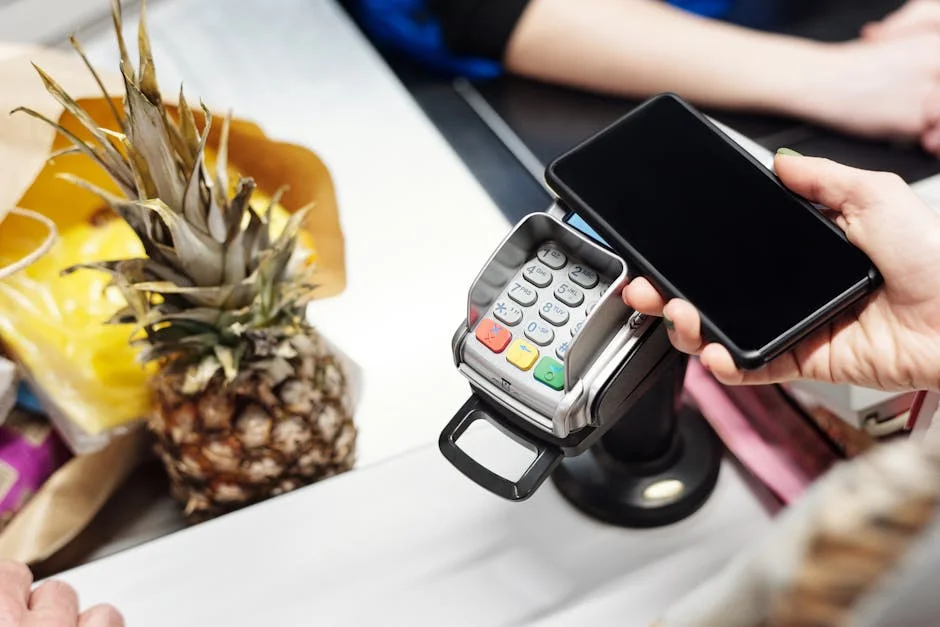
Unlike Bluetooth-dependent card readers that require separate equipment, Tap-to-Phone relies entirely on the phone's built-in NFC chip. DBS designed the system for reliability rather than speed, processing most transactions within three seconds. The bank charges a flat rate of 1.5% per transaction for small businesses, competitive with traditional acquiring fees that often run between 2% and 2.5%.
Why Singapore's Market Is Ready
Singapore has one of the highest contactless payment adoption rates in Southeast Asia. The Monetary Authority of Singapore reported that 89% of point-of-sale transactions in the city-state were cashless by the end of 2023. The pandemic accelerated this shift, with the government actively encouraging merchants to go digital through subsidies and grants. DBS executive director Priya Menon told reporters the bank saw demand surge after merchants complained traditional terminal rentals, averaging SGD 50 per month, added unnecessary costs for low-volume sellers.
Impact on Small Business Costs
For micro-merchants and informal sellers, the elimination of terminal hardware removes a significant barrier. A typical portable card reader costs between SGD 150 and SGD 400 upfront, plus monthly service fees. DBS calculates that a food vendor processing SGD 5,000 in monthly sales would save roughly SGD 800 annually by switching to Tap-to-Phone. Street vendors, mobile repair services, and home-based businesses—segments often underserved by traditional banking—stand to benefit most from this model.
The bank opened enrollment to all Singapore-based businesses holding a DBS corporate or commercial account. Sole proprietors using personal DBS accounts will gain access by the end of the quarter, according to a company statement.
Broader Market Implications
DBS enters a competitive space where fintech firms like GrabPay and Wirecard have offered similar software-based acquiring solutions. However, DBS brings an advantage in trust and scale—over 1.2 million Singapore residents hold DBS accounts, and the bank processes nearly a third of the nation's card transactions. Analysts at OCBC Investment Research noted that Tap-to-Phone could strengthen DBS's position in the small-to-medium enterprise segment while pressuring rivals to cut hardware subsidies.
For investors, the feature represents a low-cost acquisition tool. Each new merchant onboarded requires minimal physical infrastructure, unlike traditional branch expansion. DBS shares closed at SGD 37.40 on Thursday, up 1.2% following the announcement. Industry observers suggest the bank aims to capture a larger share of Singapore's estimated SGD 12 billion annual card payment volume.
Security and Regulatory Oversight
The feature complies with Payment Card Industry Data Security Standard requirements, with all transaction data encrypted using AES-256 protocols. DBS partnered with payment processors Visa and Mastercard to implement tokenization, ensuring card numbers never touch the merchant's device. The bank faces regular audits from the Monetary Authority of Singapore, which classifies Tap-to-Phone under the same regulations governing electronic payment services.
Unlike some fintech solutions operating in regulatory grey areas, DBS's bank-backed status provides merchants with consumer protection guarantees that unregulated competitors cannot match. This compliance layer may prove decisive for government vendors and large corporate buyers requiring audited payment trails.
Expansion Potential Across Asia
While Thursday's launch targets Singapore exclusively, DBS operates in seven other Asian markets, including India, Hong Kong, and Indonesia. The bank confirmed it is evaluating Tap-to-Phone deployments in regions where smartphone penetration outpaces traditional banking infrastructure. In India, where DBS holds a subsidiary called DBS Bank India, over 600 million smartphones are in active use, and the government has pushed digital payment adoption through incentives.
Regional expansion would position DBS against local giants like Singapore's own FavePay and India's PhonePe, which already offer software-based payment acceptance. A DBS spokesperson declined to specify timelines for international launches, citing competitive sensitivity. The bank plans to gather Singapore usage data through the first half of 2025 before committing to broader rollouts.
What Comes Next for DBS
DBS will host merchant webinars throughout October to train businesses on Tap-to-Phone operations. The bank aims to sign 10,000 active merchants within six months, a target that would make the service the fastest-growing product in its small business portfolio. Developers are already working on integration capabilities for popular point-of-sale software used by restaurants and retail chains.
By December, DBS expects to add support for American Express cards and QR-code-based payments through the NETS network, expanding the range of payment methods available. Investors should watch merchant activation numbers in the next quarterly earnings report as a gauge of customer demand. Competitors including OCBC and UOB will likely respond with similar offerings, triggering a race to capture Singapore's micro-merchant segment.
See Also
- Court Sentences Two Men to 20 Years in Sexual Assault Cases
- Sam Altman Stuns Jury: Musk Wants AI Control for His Kids