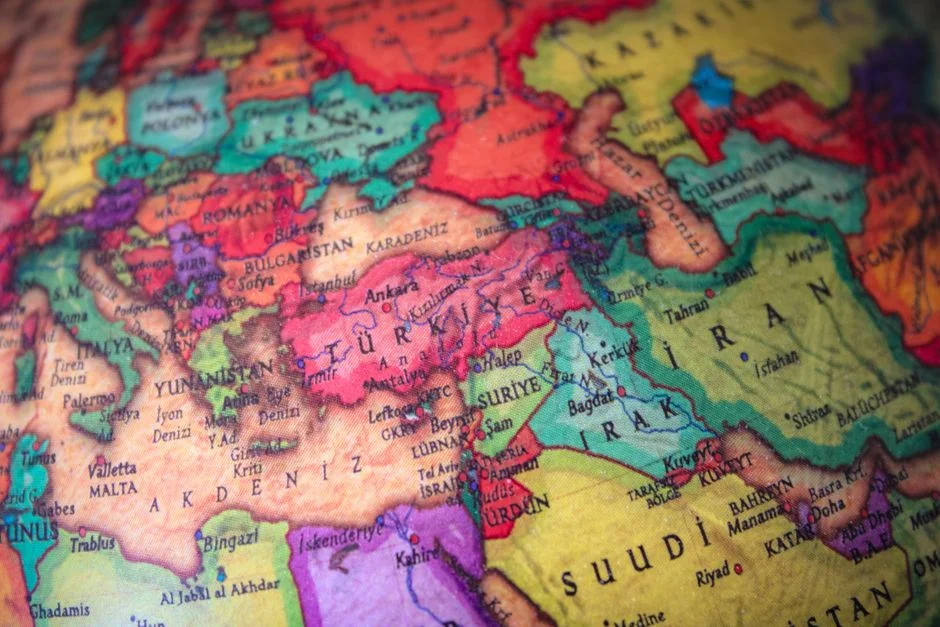
On Tuesday evening, the United States launched airstrikes on military installations in the Iranian regions of Qeshm and Goruk. The operation followed a series of reported missile attacks launched from Iran, targeting US interests in the region and raising concerns over escalating tensions in the Middle East.
US Military Action Escalates Tensions
The strikes were aimed at facilities linked to Iranian military operations, including drone launch sites, according to a statement from the Pentagon. Officials indicated that the US had gathered intelligence suggesting imminent threats to American personnel, prompting the decision to act decisively. The Pentagon confirmed no US forces were harmed during the operation.
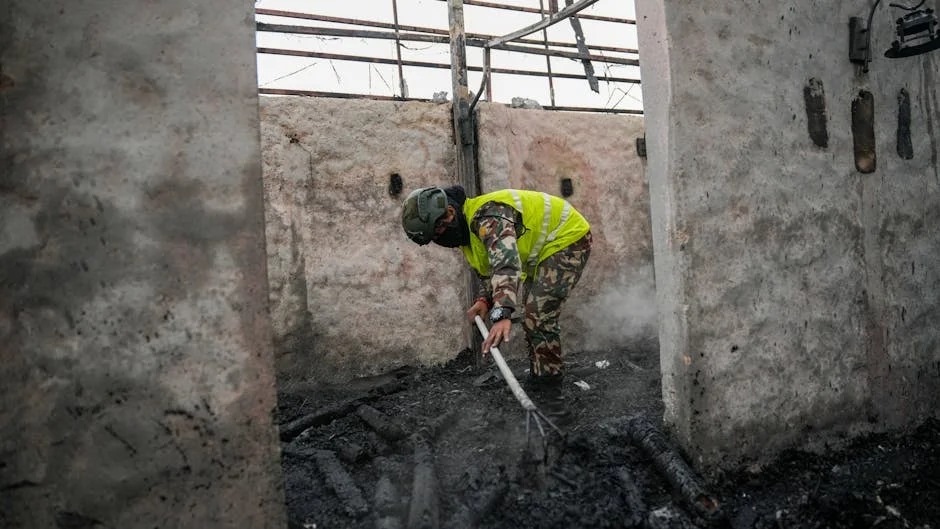
The airstrikes are part of a broader strategy to deter Iran from launching further attacks, which have surged in frequency over the past month. Analysts are closely watching how Iran will retaliate, as any significant response could affect oil prices worldwide.
Impact on Oil Markets
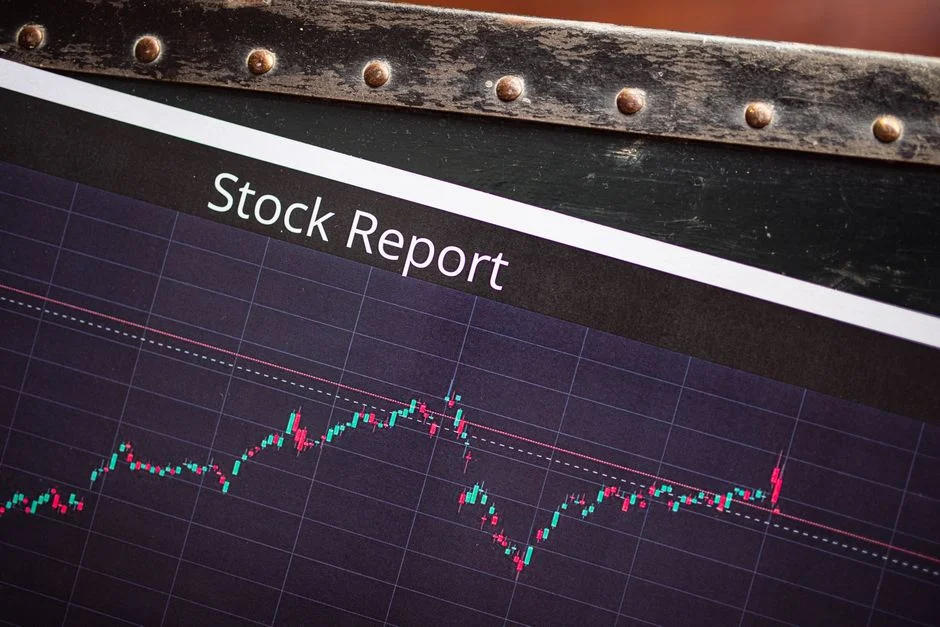
Oil prices have already shown volatility due to the escalations. Following news of the airstrikes, Brent crude surged by 3.5%, hitting $95 per barrel overnight. This rise reflects fears that further conflict could disrupt oil supplies, particularly as Iran holds a considerable position in the global oil market.
If tensions continue to escalate, experts warn that oil prices could spike beyond $100 per barrel, which would have significant repercussions for businesses reliant on fuel and logistics. Companies in the transportation and manufacturing sectors are particularly vulnerable to increased costs.
Kuwait Reports Missile Attacks
In a related development, Kuwait reported missile and drone incursions early Wednesday morning. The Kuwaiti Ministry of Defence confirmed that they intercepted missiles targeting the country, believed to be fired from Iranian territory.
This aggression raises alarms not just in Kuwait but across the Gulf region, where fears of a larger conflict loom. Stakeholders in international companies operating in the region are urged to assess their risk profiles in light of these recent developments.
Investor Reactions and Market Sentiment
Investor sentiment reacted swiftly to the events, with stock markets in Europe and the United States opening lower amid rising geopolitical concerns. The Dow Jones industrial average fell 1.2% in early trading, while tech stocks took a hit as investors sought safer assets.
Many investors are favouring gold, with prices climbing to $1,950 per ounce. The shift reflects a preference for safe-haven assets as uncertainty in the Middle East could lead to broader economic repercussions.
The Broader Economic Implications
The ongoing instability in Iran and surrounding regions poses risks beyond oil prices. Market analysts worry about inflationary pressures if energy costs remain high for an extended period, which could lead to slowed economic growth in Western nations.
Additionally, international supply chains may face disruptions, especially in industries heavily dependent on oil and gas. Companies must prepare for potential delays and increased costs in logistics operations.
What to Watch Next
Looking ahead, investors and market participants should closely monitor Iran's next moves in response to the US strikes. Any significant retaliation could trigger further military confrontations and impact global oil supplies dramatically.
Moreover, the situation will likely escalate discussions within the United Nations regarding diplomatic resolutions. As diplomatic channels are explored in the coming days, sectors vulnerable to oil price fluctuations should remain on high alert for further developments.
See Also
What is the latest news about us strikes qeshm and goruk irans response could spike oil prices?
Why does this matter for politics-world?
What are the key facts about us strikes qeshm and goruk irans response could spike oil prices?