Businesses across the United States are grappling with a growing gap in tech skills among the Gen Z workforce, with only 22% of young job seekers possessing the necessary digital expertise. As companies adapt to a rapidly evolving digital landscape, this disparity presents significant challenges and opportunities for investors and the economy.
The Digital Skills Deficit
The shortage of tech-savvy candidates is becoming increasingly evident. A recent survey by the National Association of Colleges and Employers revealed that only 22% of Gen Z applicants are proficient in critical digital skills such as coding, data analysis, and software development. This lack of expertise can hinder companies' growth and innovation, particularly in tech-driven sectors.
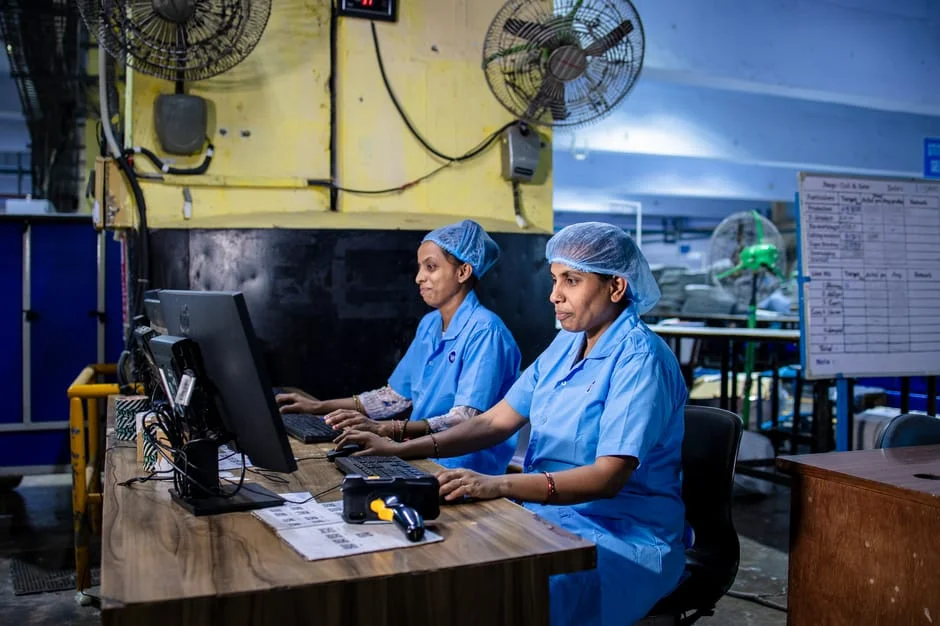
As businesses attempt to hire talents capable of navigating the modern digital environment, many are forced to reconsider their hiring criteria. Companies like IBM and Google have begun to emphasize practical skills over formal education, recognising that many Gen Z candidates possess valuable experience gained through online learning and self-directed projects.
Investment Trends and Market Reactions
Venture capitalists are taking note of the talent gap, redirecting investments towards educational platforms that bridge the skills divide. Online platforms such as Coursera and Udemy are witnessing a surge in enrolment numbers, with Coursera reporting a 35% increase in new users in 2023 alone.
Investors are increasingly focused on companies that offer training and upskilling solutions tailored to Gen Z. Notably, the online education market is projected to reach $375 billion by 2026, highlighting a clear shift in how education is perceived in relation to employment and industry needs.
The Business Implications
For businesses, the gap in tech skills can result in slower project turnaround times and diminished competitive edge. Companies that fail to adapt may find themselves struggling to retain talent or meet consumer demands. For instance, a recent report from Deloitte indicated that 40% of businesses are experiencing delays in technological implementations due to staffing shortages.
Organisations are increasingly investing in training programs, internships, and partnerships with educational institutions to bolster their talent pool. This trend suggests a shift in corporate culture towards valuing lifelong learning and adaptable skillsets.
Regional Discrepancies in Talent Availability
The talent gap is not uniform across the nation. Urban areas like San Francisco and New York have a higher concentration of digitally skilled workers, whereas rural regions experience greater challenges in recruiting tech talent. This discrepancy could lead to uneven economic growth, as businesses in tech hubs flourish while those in less connected regions struggle.
Companies operating in these areas might need to consider remote hiring strategies or relocate to attract the necessary talent, both of which have significant cost and logistical implications.
Conclusion: What Lies Ahead
As the workforce continues to evolve, businesses must remain agile in their hiring practices. The disparity in tech skills among Gen Z could reshape investment strategies and lead to a revaluation of educational priorities. Companies that prioritize training and development may find themselves at a distinct advantage.
Looking ahead, stakeholders should monitor the effectiveness of new educational initiatives and the impact of corporate investments in workforce development. With the job market shifting, upcoming workforce reports will be critical in assessing how effectively businesses are bridging the skills gap and positioning themselves for future growth.
See Also
- Palantir's Britain Contracts Face mounting Pressure as Lawmakers Demand Answers
- Stormers' Ref Decision Sparks Debate Over Fair Play in France
This trend suggests a shift in corporate culture towards valuing lifelong learning and adaptable skillsets.Regional Discrepancies in Talent AvailabilityThe talent gap is not uniform across the nation. For instance, a recent report from Deloitte indicated that 40% of businesses are experiencing delays in technological implementations due to staffing shortages.Organisations are increasingly investing in training programs, internships, and partnerships with educational institutions to bolster their talent pool.
What is the latest news about gen zs talent gap forces businesses to rethink hiring strategies nationwide?
Why does this matter for technology?
What are the key facts about gen zs talent gap forces businesses to rethink hiring strategies nationwide?