A disgruntled developer has embedded a data-nuking prompt injection into the code of a widely used software application, raising alarms among businesses across the United States. This unexpected action could trigger severe security vulnerabilities, prompting fears among stakeholders about data integrity and operational disruptions.
Details of the Incident
The incident occurred earlier this month in Silicon Valley, a hub for technological innovation. The developer, who remains unnamed, reportedly grew frustrated with fellow programmers who adhere strictly to vague coding principles. Instead of following conventional practices, this individual opted for a radical approach that could erase critical data if activated.

According to preliminary findings, the code was inserted into an application used by over 10,000 businesses nationwide. It operates primarily in sectors such as finance and healthcare, where data protection is paramount. If properly executed, the data-nuking prompt could lead to catastrophic system failures and massive data loss.
Market Reactions and Immediate Consequences
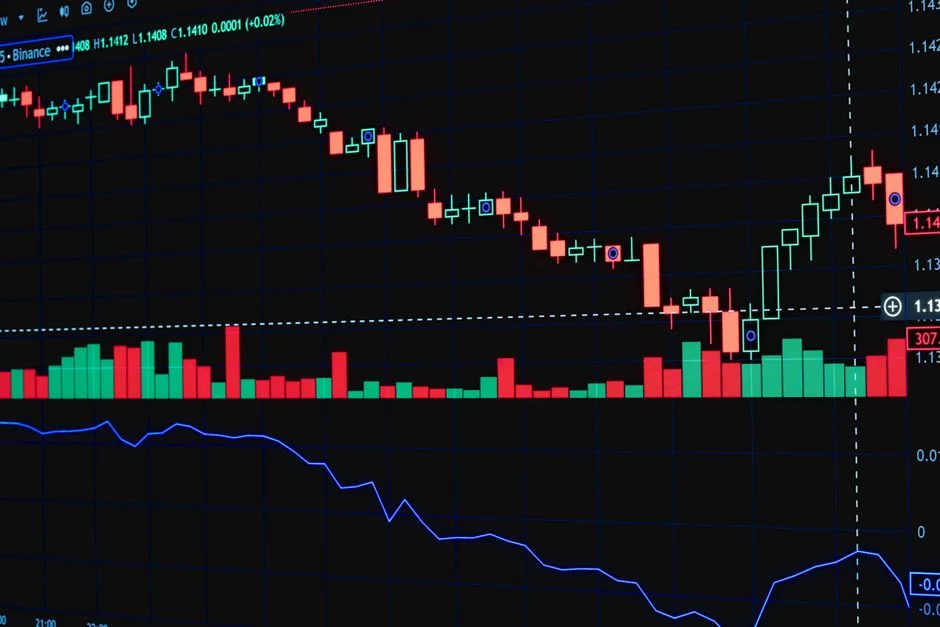
The revelation has sent shockwaves through financial markets, particularly among technology stocks. Following the news, shares of companies involved in cybersecurity surged by 15%, reflecting investor anxiety regarding software vulnerabilities. On the flip side, firms associated with the affected application saw a drop in market capitalisation of approximately $2.5 billion.
Businesses are now scrambling to reassess their security protocols. Many have initiated emergency audits to identify any similar vulnerabilities in their systems. In response to the incident, the Federal Trade Commission (FTC) issued a statement warning companies to bolster their cybersecurity measures against potential code injections.
Implications for Businesses and Investors
Investors are particularly concerned about the financial ramifications of this vulnerability. Analysts predict that affected companies may face not only immediate costs from system repairs and upgrades but also potential legal liabilities as clients seek compensation for data breaches. Affected sectors, especially finance and healthcare, could see a downturn in customer trust and confidence, leading to longer-term economic impacts.
Additionally, companies may need to increase their cybersecurity budgets by as much as 20% in the coming fiscal year. This rise in expenditure could impact profit margins and overall financial health, urging firms to rethink their investment strategies.
Long-Term Economic Outlook
The broader implications for the economy could be significant. A major data breach has the potential to disrupt not only individual businesses but also supply chains and consumer trust in technology. As firms work to bolster their cybersecurity frameworks, we may see a shift in investment towards more robust and secure technology solutions.
Industry leaders are already calling for increased regulatory measures to ensure that software development practices enhance security and accountability. This incident could catalyse a movement towards stricter coding standards across the software development community, thereby safeguarding businesses and consumers alike.
What to Watch Next
Industry experts are monitoring the fallout from this incident closely, particularly any new regulations the FTC may propose. Additionally, companies are advised to prepare for a potential spike in cybersecurity investments and training over the next few months. Stakeholders should remain vigilant for updates from affected companies regarding their recovery strategies and any measures taken to prevent future vulnerabilities.
See Also
- Trent Grisham Launches Home Run, Sparks New Data-Driven Insights in Baseball
- Tech Firms Blame AI for 50,000 Job Cuts — Workers Demand Answers