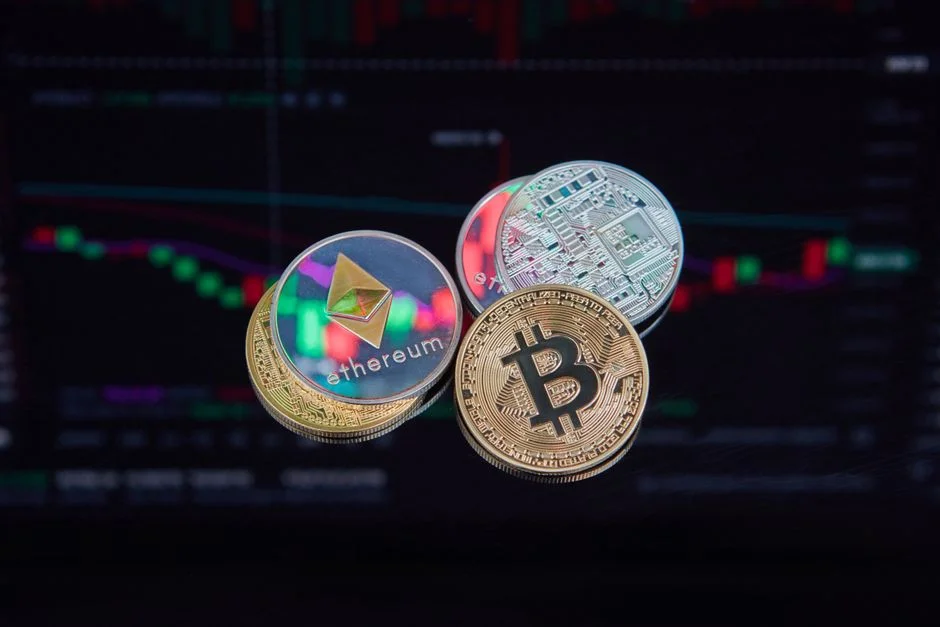
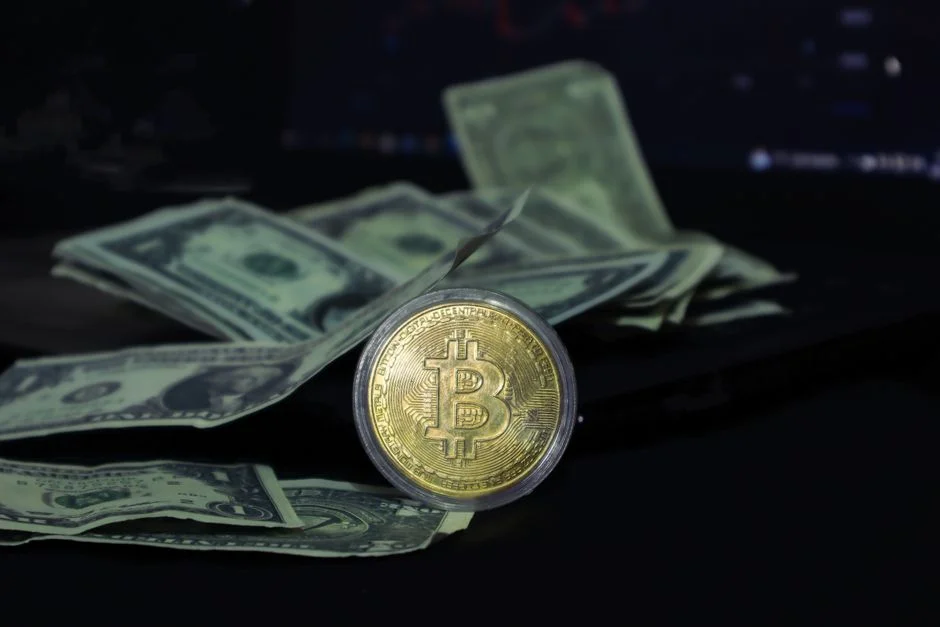
Wealthy investors are pulling significant sums out of the United States, marking a notable shift in investment behaviour as part of the growing 'de-dollarization' trend. In recent months, approximately $4.2 billion has been withdrawn from US markets, prompting concerns about the long-term implications for the US economy and its financial stability.
Understanding the 'De-Dollarization' Trend
'De-dollarization' refers to the gradual shift away from the US dollar as the dominant global currency. This trend has gained momentum in 2023, particularly as geopolitical tensions rise and countries seek alternatives to reduce their dependence on the dollar. Key actors, including China and Russia, have made moves to encourage trade in other currencies, which has stirred anxiety among investors.

According to a recent report from the Institute of International Finance (IIF), the share of the US dollar in global foreign exchange reserves fell to 59%, the lowest level in nearly two decades. This decline indicates a changing sentiment about the dollar's role on the global stage.
Immediate Market Reactions
The stock market news today reflects this nervousness among investors. Major indices, including the S&P 500 and Dow Jones Industrial Average, experienced sharp declines on the day the withdrawals were reported. The S&P 500 lost 2% of its value, while the Dow fell by 1.8%, signalling investor fears about potential economic instability.
Analysts are closely watching the implications of this shift. As more investors exit the US dollar, they are reallocating their assets to other currencies and commodities, such as gold, which saw a surge of 3% the same week, reaching a price of $1,950 per ounce.
Business Implications
The trend is affecting businesses across various sectors. Companies that rely heavily on imported goods, particularly those in manufacturing and technology, are bracing for potential increases in costs as the dollar weakens. This could lead to higher prices for consumers, further straining household budgets.
The real estate market also feels the pinch. In major cities like New York and San Francisco, foreign investments have traditionally bolstered property prices. However, as investors channel their funds elsewhere, there could be a slowdown in new developments and a potential cooling in housing prices.
Investor Concerns and Strategies
Investors are re-evaluating their portfolios in light of these developments. Hedge funds and large institutional investors are diversifying their holdings, with many moving funds into emerging market assets. This strategic shift aims to mitigate the risks associated with a weakening dollar and the uncertainty surrounding the US economy.
Notably, Laurence Fink, CEO of BlackRock, recently stated, "In this new environment, investors need to rethink their approaches and look beyond traditional metrics to safeguard their assets." Such sentiments indicate a fundamental shift in investment strategies as the 'de-dollarization' dynamic unfolds.
Global Economic Dynamics
The broader economic impact extends beyond US borders. Countries such as Brazil and India are exploring bilateral trade agreements that bypass the dollar altogether. This trend not only threatens the dollar's status but also complicates trade relationships, leading to potential shifts in global economic power.
Furthermore, as central banks worldwide consider alternatives to dollar reserves, an increase in currency volatility is expected. This could lead to more unpredictable market conditions, creating added layers of complexity for investors and businesses alike.
What to Watch Next
Looking ahead, investors should monitor upcoming central bank meetings and any policy changes that could influence currency valuations. Additionally, geopolitical developments, such as ongoing trade negotiations involving China and Russia, will likely impact the speed and scope of the de-dollarization process.
As 2023 progresses, the implications of these shifts will continue to unfold, making it imperative for investors and businesses to stay informed and agile in their strategies.
See Also
- Cameroon Announces Constitutional Reform to Create Vice President Role
- Senate President Mark Slams INEC Over Democracy Threats
This strategic shift aims to mitigate the risks associated with a weakening dollar and the uncertainty surrounding the US economy.Notably, Laurence Fink, CEO of BlackRock, recently stated, "In this new environment, investors need to rethink their approaches and look beyond traditional metrics to safeguard their assets." Such sentiments indicate a fundamental shift in investment strategies as the 'de-dollarization' dynamic unfolds.Global Economic DynamicsThe broader economic impact extends beyond US borders. In major cities like New York and San Francisco, foreign investments have traditionally bolstered property prices.