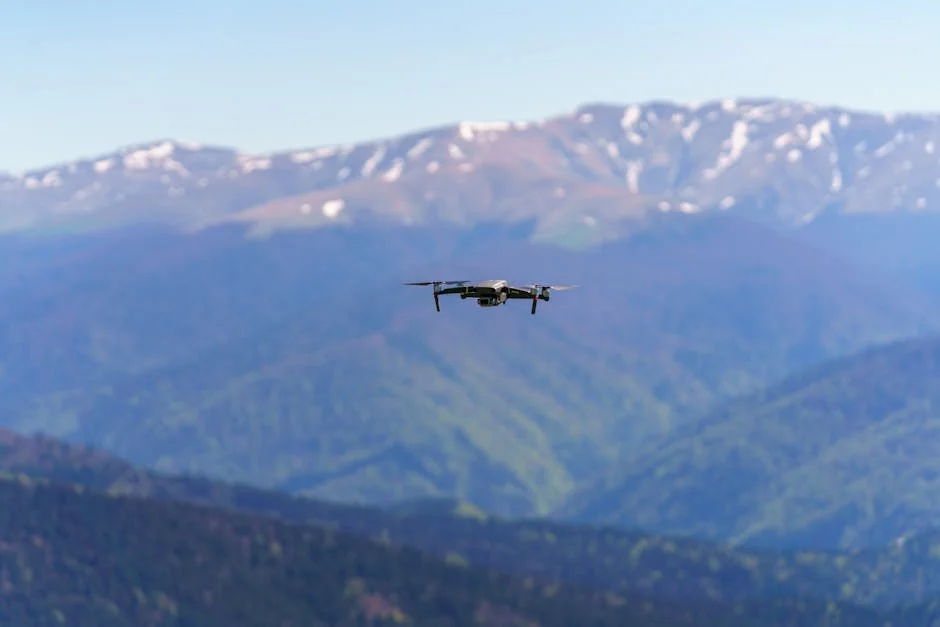
A Russian drone crashed into an apartment building in Romania's Tulcea region on Tuesday, prompting immediate investigations by local authorities and heightened concerns about regional security. This incident, occurring just days after NATO's recent military exercises near the Black Sea, underscores the escalating tensions between Russia and NATO member states in Eastern Europe.
Immediate Reactions from Romanian Authorities
The Romanian Ministry of Defence confirmed that no casualties occurred from the drone strike, which struck a residential area in the town of Tulcea at approximately 10:30 AM local time. Defence Minister Angel Tilvar stated that an investigation is underway, with officials analysing the drone's origin and intent.

Authorities are also reviewing security protocols around sensitive infrastructure in the region. The Romanian military is on high alert, and the government has requested a special meeting of the NATO council to discuss the implications of the incident.
Impact on Energy Markets
Energy markets reacted swiftly to the news, as concerns about potential disruptions to supplies from Eastern Europe rose. Brent crude oil prices surged by 3% in early trading, reflecting fears over instability in a region that has been a key transit point for oil and gas.
Romania plays a crucial role in the energy supply chain for the European Union, serving as a conduit for gas from Azerbaijan and other sources. Any escalation in hostilities could threaten these vital routes, further straining an already tight energy market.
Investor Sentiment and Long-term Consequences
Investors are increasingly wary of the geopolitical risks posed by Russian developments. Stock prices for Romanian companies exposed to the energy sector, such as OMV Petrom, fell slightly after the incident. Analysts warn that prolonged instability might deter foreign investment in the region.
Businesses in Romania may face higher operational costs as insurance premiums rise and security measures tighten, impacting overall economic growth. The reliance on energy exports could become a double-edged sword if conflicts escalate, forcing companies to reassess their risk exposure in the market.
Geopolitical Context and Broader Implications
This incident is the first reported drone strike by Russian forces in NATO territory, marking a significant escalation in military tactics. Analysts note that the attack signals a potential shift in Russia's approach, which could embolden further aggressive actions in the region.
The United States has expressed solidarity with Romania, reiterating its commitment to NATO's Article 5, which states that an attack on one member is an attack on all. This could lead to increased military presence in Eastern Europe as a deterrent against further Russian aggression.
What Comes Next?
Looking ahead, the NATO council meeting scheduled for next week will likely address collective security measures and potential reassurances to member states. Romania's response and the subsequent actions taken by NATO could set the tone for future relations with Russia.
Moreover, investors should watch for updates regarding the investigation into the drone strike and any subsequent military movements from Russia. These developments may have lasting effects on the economic landscape across Europe and could signal shifts in energy policy and security strategy.
See Also
- Silicon Valley Technologists Dismiss Pope Leo’s Warnings on AI — Market Reaction Mixed
- Bayern's Upamecano Faces Key PSG Challenge — Impact on IN Markets Anticipated