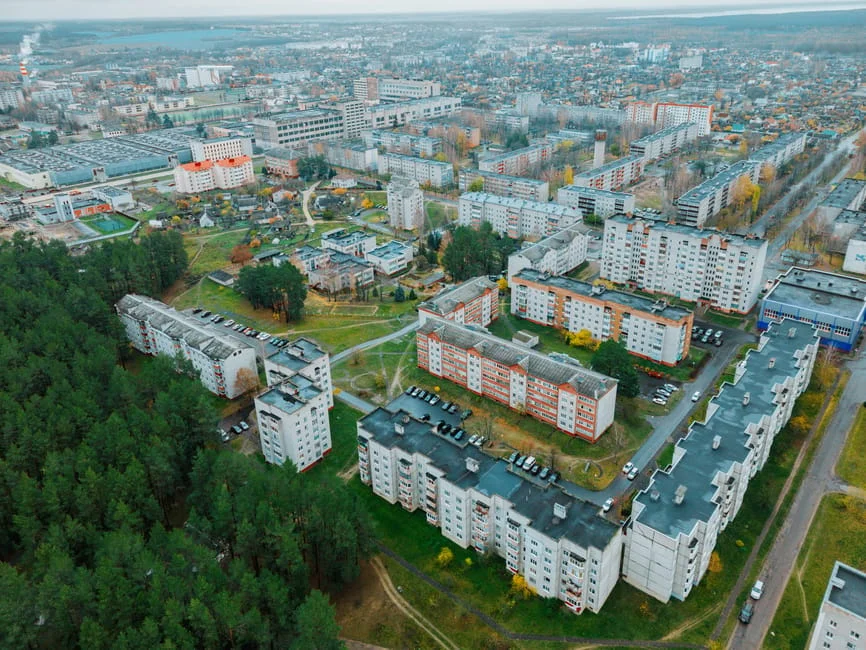
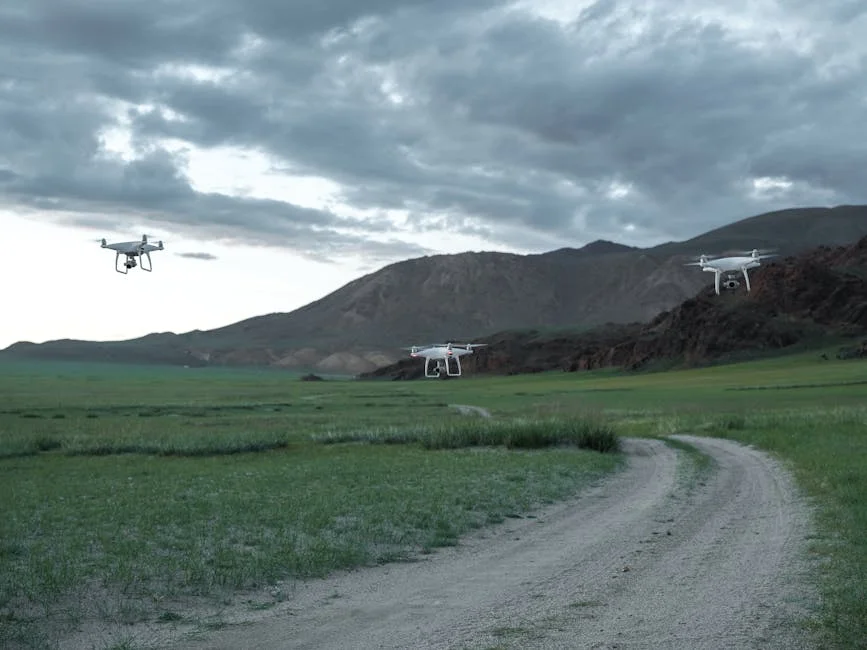
The Romanian Ministry of Defence confirmed that a Russian drone struck a residential block in the Galati area on Wednesday, injuring at least five civilians. This incident marks an escalation in regional tensions, as Romania shares borders with Ukraine and is a member of NATO, raising alarms about the potential for wider conflict.
Details of the Attack
The drone, reportedly part of Russia's ongoing military operations in Ukraine, crashed into the apartment building around 2 PM local time. Eyewitnesses described a loud explosion, followed by a swift response from emergency services. The five injured individuals were promptly transported to local hospitals, with authorities noting that none sustained life-threatening injuries.
Galati, a crucial port city on the Danube River, has been a focal point for humanitarian efforts related to the conflict in Ukraine, making it a sensitive target in the ongoing war. This attack underscores the rising risks that civilians face in regions far from the front lines.
Economic Implications for Romania
The drone strike could have significant economic repercussions for Romania, particularly in the areas of investment and tourism. Galati, being a vital economic hub, could experience a decline in investor confidence following this violent incident.
According to the National Bank of Romania, foreign direct investment was already projected to slow down in the face of regional instability. The latest incident could further exacerbate this trend, as businesses may reconsider establishing operations in areas perceived as vulnerable to conflict.
Market Reactions
Romanian stocks reacted negatively to the news, with the Bucharest Stock Exchange seeing a dip of approximately 1.5% immediately following the announcement. Analysts predict that continued military aggression in the region will create a volatile market environment, which may deter long-term investment.
Investors are particularly cautious about sectors that rely on exports, including agriculture and manufacturing, as disruptions from military activities could impact supply chains. The Romanian economy, which grew by 5.8% in 2022, may face difficulties maintaining its momentum in the wake of rising geopolitical tensions.
Potential Responses from the United States
The United States government has been closely monitoring the situation in Romania and may consider increasing military support to strengthen NATO's eastern flank. The Biden administration's support for Ukraine has already included significant military aid, and further actions could aim to reassure Romania of its security commitments.
This could have several consequences, including bolstered military presence along NATO’s eastern borders, which may impact defense spending and implications for regional economies. A strengthened U.S. military presence might deter further aggression but could also escalate tensions with Russia.
Regional Stability Concerns
As Romania faces increasing security threats, the potential for further military action from Russia adds strain to the already delicate regional stability. The attack on Galati could be a signal of a more aggressive posture from Russia towards NATO countries, leading to an increase in military readiness in neighboring states.
Countries in the region, including Poland and Hungary, are expected to enhance their military preparedness, which might divert public funds away from essential services and infrastructure improvements, affecting their economies.
Looking Ahead
As the situation unfolds, analysts and businesses should closely monitor the developments regarding Romania's security and its economic implications. The next NATO meeting is scheduled for next month, where member states, including the United States, will likely discuss strategies to enhance collective defense in light of recent events.
The drone strike in Galati serves as a stark reminder of the precarious situation in Eastern Europe, and stakeholders must be prepared for potential shifts in economic conditions and investment landscapes as the conflict continues.
See Also
- Zambia Cancels Global Summit — Markets React
- Indian Seafarers Return Home After Iran Detention — Tensions Escalate