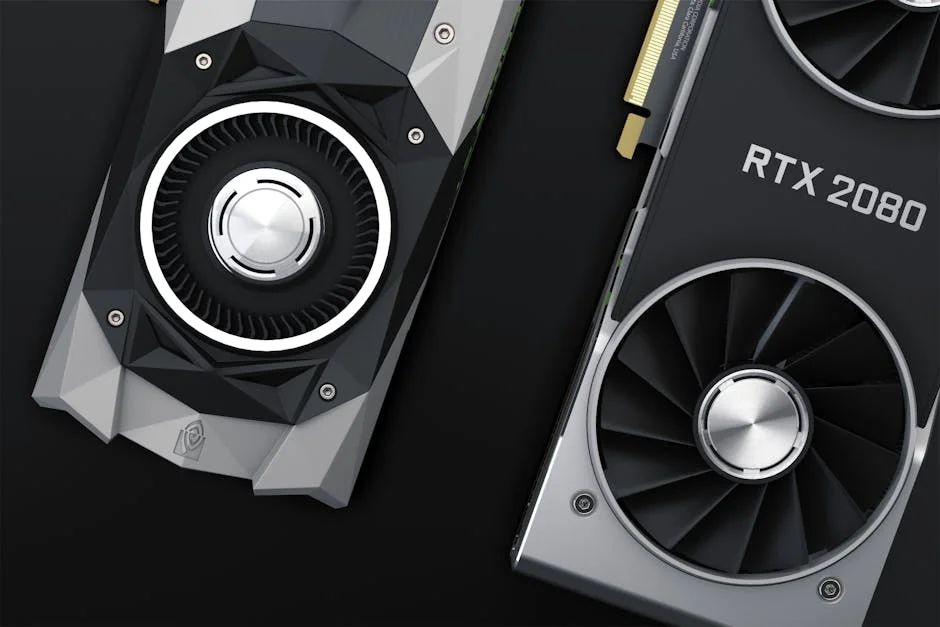
Nvidia has committed $150 billion to expand its operations in Taiwan, as the tech giant seeks to reinforce its dominance in the semiconductor market. This investment comes amid setbacks for former President Donald Trump's ambitious plan to position the United States as a global leader in artificial intelligence (AI). The announcement was made during a tech summit in Taipei on Wednesday, signalling a significant shift in the landscape of AI and technology investment.
Nvidia's Strategic Move
The investment will enhance Nvidia's production capabilities in Taiwan, a country that is already a hub for semiconductor manufacturing. Taiwan's TSMC (Taiwan Semiconductor Manufacturing Company) is the world's largest contract chipmaker, producing advanced chips for Nvidia and other tech giants. Nvidia's CEO, Jensen Huang, expressed confidence that this investment will create thousands of jobs and further innovate AI technology.

On the financial front, Nvidia's decision is expected to influence stock prices significantly. The company has seen its shares surge to an all-time high of $500 per share recently, with market analysts projecting a 20% increase in revenue driven by AI and gaming demand in the upcoming fiscal year.
The Decline of Trump's AI Hub Vision
Trump's strategy aimed to attract tech investments to the US through tax incentives and deregulation. However, rising production costs and geopolitical tensions have made it difficult for American companies to compete with nations like Taiwan. As a result, major firms like Nvidia now look overseas, highlighting a potential failure of Trump's economic policies regarding tech innovation.
Trump's plans also faced challenges with supply chain issues exacerbated by the pandemic, which revealed the vulnerabilities in relying heavily on domestic production. By investing massively in Taiwan, Nvidia appears to be signalling that other nations may offer more competitive advantages for tech development than the US.
Market Reactions
The announcement has sparked mixed reactions in US tech stocks. While Nvidia's shares have remained strong, other companies in the semiconductor space, such as Intel and AMD, faced declines of 2% to 3% following the news. Investors are concerned that the growing investment in Taiwan could widen the technological gap between US firms and their overseas counterparts.
Furthermore, analysts predict that other companies may follow Nvidia's lead, increasing investment in Asia. This could lead to greater tech job losses in the US, further destabilising the market and leaving investors apprehensive about the long-term viability of US tech dominance.
Implications for Businesses
For US businesses, this shift could mean a restructuring of supply chains and operations. Companies may seek partnerships with Taiwanese firms to remain competitive, which could lead to increased outsourcing. This trend raises questions about job security in the US tech sector and the overall impact on the economy. With Nvidia's significant investment, Taiwanese companies may also gain leverage, threatening US firms' market positions.
Moreover, as investments pour into Taiwan, the island could become a primary destination for talent in the semiconductor industry, further draining skilled workers from the US market. As a result, tech companies in the United States may need to enhance their offerings and working conditions to attract and retain talent.
The Broader Economic Impact
The shift in AI investment towards Taiwan could have far-reaching implications for the US economy. With the semiconductor sector being critical for various industries, a decline in US competitiveness in this field could lead to increased prices for everyday consumers and businesses. Higher costs could translate to inflationary pressures, making it more challenging for the Federal Reserve to manage interest rates effectively.
Additionally, Nvidia's decision highlights the imperative for the US government to reconsider its approach to tech policy and investment incentives. As global competition intensifies, the need for a robust domestic strategy to foster semiconductor manufacturing and AI innovation becomes increasingly urgent.
What Lies Ahead for Investors
Investors should closely monitor the developments in Taiwan as they could signal a new era of tech investment dynamics. Nvidia's substantial investment may encourage other tech firms to redirect their funding away from the United States. This shift has the potential to reshape investor sentiment, particularly as companies assess risk in light of geopolitical influences.
In light of these changes, stakeholders should prepare for adjustments in their portfolios. As the tech landscape evolves, they must be vigilant about the competitive landscape and emerging markets, particularly in Asia.
Future Watch: Policy Changes and Economic Shifts
The implications of Nvidia's investment in Taiwan extend beyond the semiconductor industry. Observers anticipate policy changes from the US government aimed at revitalising domestic tech manufacturing and encouraging innovation. Upcoming discussions in Congress regarding semiconductor subsidies and research funding may play a crucial role in determining how the US can reclaim its position in the global tech landscape.
As companies and investors adapt to these changes, the economic ramifications will likely unfold over the coming months. Analysts will be watching how the Biden Administration responds to this shift, and whether new policies can effectively counter the growing influence of foreign tech markets.
This trend raises questions about job security in the US tech sector and the overall impact on the economy. With Nvidia's significant investment, Taiwanese companies may also gain leverage, threatening US firms' market positions.Moreover, as investments pour into Taiwan, the island could become a primary destination for talent in the semiconductor industry, further draining skilled workers from the US market.