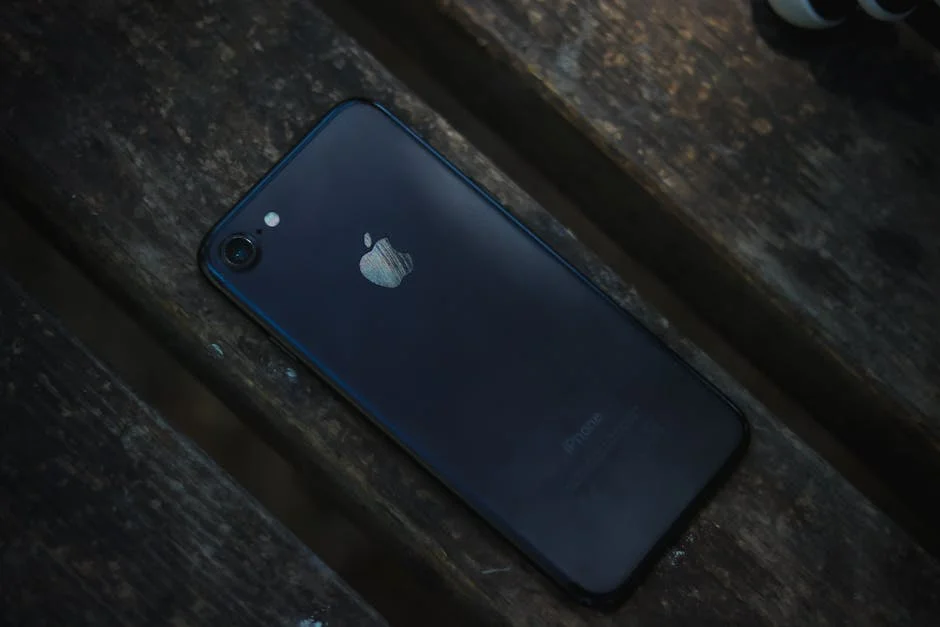
Apple has introduced a new hardware and software integration designed to lock iPhones the moment they are snatched from an owner’s hand. The feature, which relies on advanced accelerometers and pressure sensors, responds to sudden upward motions to trigger an instant passcode lock. This development arrives at a critical juncture for the US smartphone market, where street theft has emerged as a growing pain point for consumers and insurers alike.
The technology represents a strategic pivot for the tech giant, moving beyond software updates to embed physical responsiveness into the device’s chassis. By addressing a tangible, everyday frustration, Apple aims to reinforce brand loyalty and potentially justify premium pricing in a crowded market. Investors are already watching how this feature influences replacement cycles and insurance premiums.
Market Reaction to Hardware Innovation
Wall Street analysts are closely monitoring how this anti-snatching mechanism influences consumer sentiment. The US smartphone replacement cycle has lengthened in recent years, with many users keeping devices for three to four years. A feature that directly addresses physical security could shorten this cycle by making upgrades feel more essential rather than optional. This shift could drive a modest uptick in quarterly revenue for Apple and its supply chain partners.
Insurance companies operating in major metropolitan areas are also taking note. In cities like New York and Los Angeles, smartphone theft rates have risen, leading to higher claims for screen replacements and full device losses. If this feature proves effective in reducing successful snatch-and-grab incidents, insurers may adjust their premium structures. Lower claim volumes could translate to slight reductions in monthly premiums for policyholders, benefiting consumers directly.
Investor Perspective on Security Features
For shareholders, the introduction of this feature signals Apple’s continued ability to innovate without relying solely on camera improvements or processor speed. Security is becoming a differentiator in a market where hardware specifications are increasingly similar across brands. The market values innovations that solve real-world problems, and theft is a universal concern. This move strengthens Apple’s moat against competitors like Samsung and Google, who may need to accelerate their own sensor integration plans.
The financial implications extend beyond Apple’s balance sheet. Suppliers of specialized sensors and haptic feedback components stand to gain from increased demand. Companies in the United States and Asia that manufacture these precise mechanical parts may see volume increases as Apple scales production. This ripple effect supports broader supply chain health and provides a bullish signal for small-cap tech suppliers.
Theft Impact on the United States Economy
Smartphone theft affects more than just individual owners; it influences broader economic indicators. The cost of replacing a flagship iPhone can exceed $1,000, a significant expense for middle-income households. When theft becomes frequent, consumer spending on other goods may be deferred to cover these unexpected costs. Reducing theft rates through technological intervention can therefore free up disposable income for other sectors, such as retail and hospitality.
The US insurance industry pays out billions annually in smartphone claims. A reduction in successful thefts would lower these payouts, improving the bottom line for major insurers like State Farm and Allstate. These savings can be reinvested or passed on to consumers through competitive pricing. The economic efficiency gained from preventing loss is a subtle but meaningful contributor to household financial stability.
Furthermore, the second-hand market, which is valued at hundreds of billions globally, could see increased trust. Buyers of used iPhones often worry about hidden defects or stolen status. A device with a proven track record of resisting theft may command a higher resale value. This enhances the liquidity of the used phone market, benefiting platforms like Swappa and Gazelle.
Business Implications for Competitors
Apple’s move forces competitors to rethink their approach to physical security. Samsung and Google, the two main rivals in the Android space, now face pressure to integrate similar sensor-driven locking mechanisms. This could lead to a wave of hardware updates in the coming years, increasing R&D spending across the industry. The race to define the “smartest” lock screen adds a new dimension to the smartphone arms race.
For accessory makers, this innovation opens new product categories. Cases that enhance the sensor’s accuracy or protect the pressure-sensitive back panel could become best-sellers. Brands like OtterBox and Spigen may launch new lines marketed specifically for “anti-snatch” compatibility. This creates new revenue streams for peripheral companies and adds depth to the ecosystem surrounding the iPhone.
Consumer Behavior and Adoption Rates
Early adopters in the US are already testing the feature in high-traffic areas. Reports from New York City suggest that the instant lock reduces the time thieves have to unlock the device, often forcing them to abandon the phone or leave the passcode on the screen. This behavioral shift among thieves could lead to a cultural change in how people carry their phones. Users may feel more confident holding their devices in crowded subways or busy streets.
Adoption will depend on how intuitive the feature is. If users must manually enable it or if it triggers false locks, enthusiasm may wane. Apple’s strength lies in seamless integration, so the challenge is maintaining simplicity. If the feature works flawlessly out of the box, it could become a standard expectation for future smartphones. This sets a new baseline for what consumers demand from their devices.
Regulatory and Data Privacy Considerations
The introduction of sensor-driven locking raises questions about data privacy. Accelerometers and pressure sensors collect physical data, which must be processed locally or sent to the cloud for analysis. Apple has historically emphasized “on-device” processing to appease privacy-conscious users. However, regulators in the US and Europe may scrutinize how this data is used and stored. Clear communication from Apple will be essential to maintain trust.
If data leaks occur, the backlash could be severe. Consumers are increasingly wary of how tech giants use their information. Any misstep in handling the physical data collected by the anti-snatching feature could lead to regulatory fines or consumer lawsuits. Apple must ensure that the convenience of the lock does not come at the cost of privacy transparency.
Future Outlook and Market Watch
Investors should watch the next two quarters of Apple’s earnings reports for mentions of replacement cycle acceleration. If iPhone sales in the US rise unexpectedly, analysts may attribute it to this new security feature. Additionally, insurance data from major US cities will provide concrete evidence of the feature’s impact on theft rates. This data will help determine if the innovation is a niche perk or a market-shifting tool.
Competitors will likely announce their own counter-measures within the next 12 months. Keep an eye on Samsung’s Galaxy Unpacked events and Google’s Pixel launches for similar hardware integrations. The race to make the smartphone “thief-proof” is just beginning. Consumers and investors alike should monitor these developments to gauge the long-term value of security-focused innovation in the tech sector.