The African Union (AU) has established a groundbreaking Humanitarian Coordination Platform aimed at improving the continent's response to humanitarian crises. Announced on October 1, 2023, in Addis Ababa, Ethiopia, this initiative seeks to unify efforts among member states, NGOs, and international partners, addressing urgent needs such as food insecurity, health emergencies, and natural disasters.
Purpose and Structure of the Platform
The coordination platform aims to streamline humanitarian assistance across Africa's 55 member states. This initiative responds to the increasing number of humanitarian challenges, which have risen sharply due to climate change, conflict, and economic instability. The AU’s Humanitarian Affairs Department estimates that over 85 million people currently need humanitarian assistance across the continent, a figure that is expected to grow significantly.
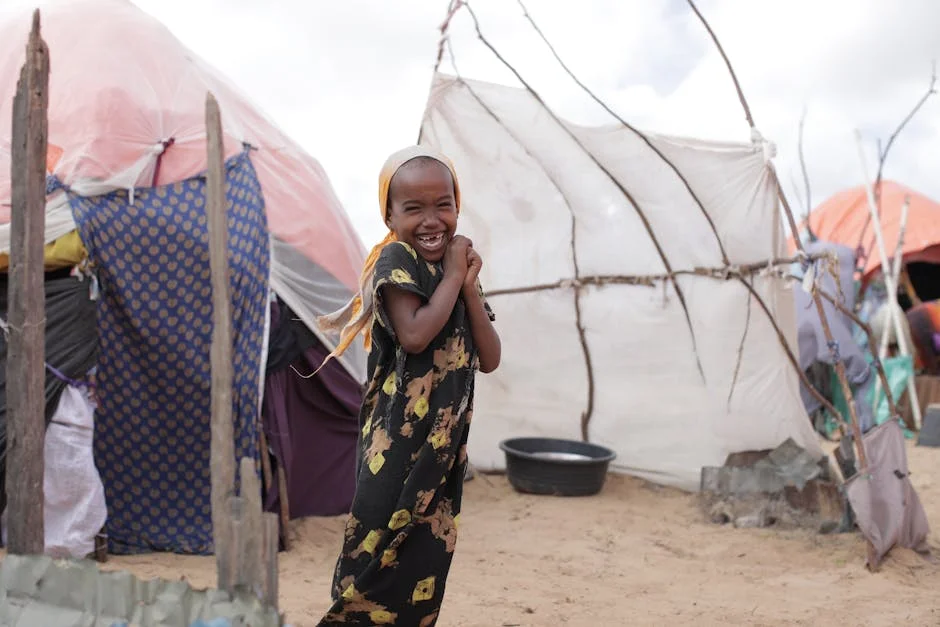
By creating a more coordinated approach, the African Union seeks to eliminate duplication of efforts, enabling efficient resource allocation. The initiative will facilitate communication and collaboration, ensuring that humanitarian aid reaches the most vulnerable populations swiftly and effectively.
Economic Implications for African Businesses
Businesses operating in Africa will likely feel the impact of this new platform. By improving the speed and effectiveness of humanitarian responses, companies involved in relief efforts could see increased opportunities for contracts and partnerships. For instance, logistics firms, suppliers of medical equipment, and food distributors stand to benefit from a more structured approach to humanitarian logistics.
Moreover, a more robust humanitarian response can help stabilize regions affected by crisis, which is essential for business continuity and investment. As a result, investors may view countries engaged in cooperative humanitarian efforts as more stable and viable options for future investments.
Investor Response and Market Trends
Investors are closely monitoring the development of the Humanitarian Coordination Platform. The AU's commitment to addressing the root causes of humanitarian crises may boost investor confidence in African markets. Stocks in sectors such as healthcare, agriculture, and logistics could witness positive movement as companies align with the AU’s new strategy.
Additionally, the platform could attract international donors and investment as it promises a more efficient allocation of resources. This enhanced funding could catalyze growth in critical areas and foster innovation among local businesses.
International Reactions and Collaboration
International organisations have welcomed the AU's initiative. The UN's Office for the Coordination of Humanitarian Affairs has expressed support, highlighting the need for effective coordination in response efforts. This backing increases the legitimacy of the platform and may lead to partnerships that bolster its effectiveness.
Collaboration with global humanitarian agencies could bring in technical expertise and funding, enhancing the platform's capabilities. The AU has emphasised its openness to working with international partners to maximise impact.
Challenges Ahead for Implementation
While the establishment of the Humanitarian Coordination Platform marks a significant step forward, challenges remain. Ensuring consistent funding for operations and navigating political complexities among member states will be crucial. The AU must foster unity and commitment to maintain momentum.
Additionally, addressing the varied needs of diverse countries will require tailored strategies. The AU's approach must consider local contexts and the specific challenges faced by individual nations.
Looking Ahead: Next Steps
With the platform now launched, the AU plans to initiate training sessions for member states' officials on effective humanitarian response coordination. These training sessions are set to begin by early 2024, aiming to equip local governments with the skills necessary for successful implementation.
Stakeholders should watch how the platform evolves over the coming months, particularly in terms of attracting international partnerships and funding commitments. As Africa faces pressing humanitarian challenges, the effectiveness of this platform will be critical for the continent's future.
See Also
- Google Kills Fitbit App — Market Reaction Is Immediate
- Anthropic Bars UK Banks from Mythos Tool — Rivals Circle
The AU has emphasised its openness to working with international partners to maximise impact.Challenges Ahead for ImplementationWhile the establishment of the Humanitarian Coordination Platform marks a significant step forward, challenges remain. This enhanced funding could catalyze growth in critical areas and foster innovation among local businesses.International Reactions and CollaborationInternational organisations have welcomed the AU's initiative.