Google officially announced the release of its next-generation smart glasses on Monday, marking a strategic pivot for the tech giant. The company aims to reclaim the wearable technology market that was largely ceded to Apple and Meta in recent years. This move signals a renewed commitment to hardware innovation and spatial computing.
Strategic Shift in Wearable Technology
Google has long been a software-first company, but hardware remains essential for controlling the user experience. The new glasses are designed to blend seamlessly into daily life, unlike the bulky prototype launched in 2013. This iteration focuses on lightweight materials and intuitive voice commands to drive consumer adoption.
The timing of this launch is strategic for the Mountain View-based corporation. Investors are watching closely to see if Google can translate its software dominance into tangible hardware revenue. The wearable sector is projected to grow significantly over the next five years, offering a new revenue stream.
This development reflects a broader trend in the tech industry. Companies are moving beyond screens and touchpads to create more immersive digital experiences. Google’s entry into this space challenges existing players and forces them to innovate faster.
Market Reaction and Investor Sentiment
Financial markets reacted positively to the announcement, with shares of Alphabet Inc. rising by 2.5% in early trading. Analysts view the launch as a validation of Google’s long-term vision for augmented reality. The stock performance suggests that investors are optimistic about the potential return on investment.
Institutional investors are particularly interested in the recurring revenue model. Unlike one-time hardware sales, smart glasses can generate continuous income through app subscriptions and data services. This model mirrors the success of the Apple Watch and its ecosystem of health and fitness apps.
Valuation Metrics and Growth Projections
Current valuations of the wearable tech sector reflect high growth expectations. The global market for smart glasses is estimated to reach $50 billion by 2028. Google’s early entry positions it to capture a significant share of this expanding pie. Investors will monitor quarterly earnings to track initial sales figures.
The market capitalization of key competitors has also been affected. Meta Platforms Inc. saw a slight dip in its stock price as traders reassessed the competitive landscape. This dynamic shows that the wearable market is not yet saturated and that new entrants can still disrupt the status quo.
Business Implications for Competitors
Apple faces direct competition with its Vision Pro headset and potential future glasses. The Cupertino giant has invested billions in its spatial computing division, making this a critical battleground. Apple’s brand loyalty may help it retain customers, but Google’s software integration offers a strong counter-argument.
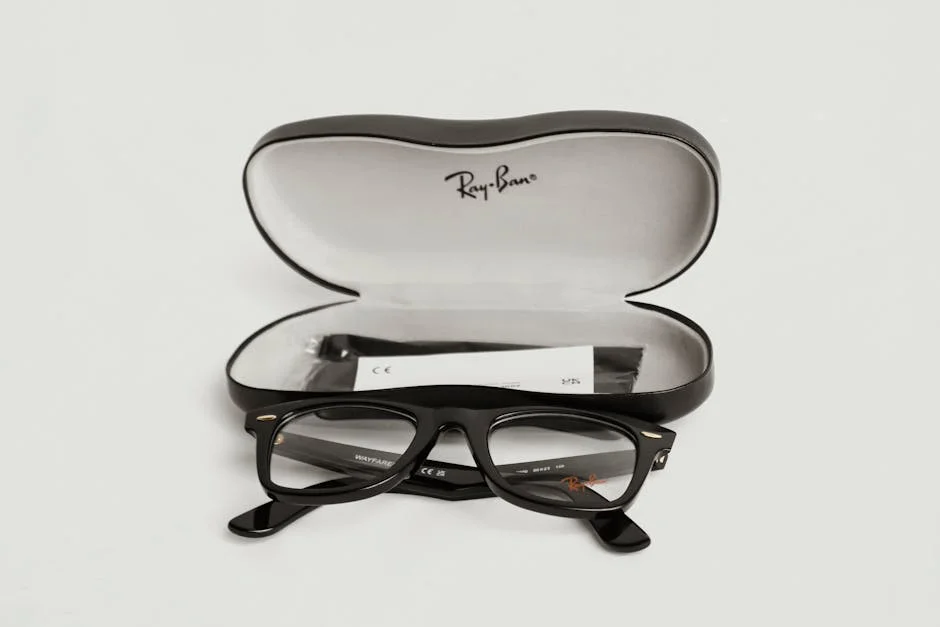
Meta, another major player, must defend its position in the augmented reality space. The company’s Ray-Ban collaboration has been successful, but it lacks the deep OS integration that Google offers. This forces Meta to accelerate its product roadmap to maintain market share and investor confidence.
Smaller startups in the wearable sector may find it harder to secure funding. Investors often prefer established brands with robust supply chains and marketing budgets. This consolidation could lead to acquisitions as larger companies seek to buy out innovative but cash-strapped rivals.
Economic Impact on the Supply Chain
The launch of new smart glasses creates demand across multiple industries. Semiconductor manufacturers will see increased orders for high-performance processors and sensors. Display technology suppliers, particularly those specializing in micro-OLEDs, will benefit from the surge in production.
The manufacturing sector in Asia will likely experience a boost. Most wearable electronics are assembled in countries like China and Vietnam, providing jobs and economic growth. This ripple effect extends to raw material suppliers, including lithium for batteries and rare earth metals for magnets.
Logistics companies will also play a crucial role in getting the product to consumers. Efficient supply chain management is essential for minimizing launch delays and maximizing sales. This highlights the interconnected nature of the global technology economy.
Consumer Adoption and Market Penetration
Consumer adoption remains the biggest challenge for smart glasses. The initial failure of Google Glass was largely due to high prices and social stigma. The new model must address these issues by offering a sleeker design and a more affordable price point.
Market research indicates that consumers are becoming more open to wearable technology. The pandemic accelerated the acceptance of digital wearables for communication and health monitoring. This shift in consumer behavior creates a favorable environment for Google’s latest offering.
Marketing strategies will focus on practical use cases for everyday users. Features like real-time translation, navigation, and hands-free photography are likely to appeal to a broad audience. Google will need to educate consumers on the value proposition of smart glasses versus smartphones.
Technological Advancements and Innovation
The new smart glasses incorporate significant technological improvements over previous generations. Artificial intelligence plays a central role, enabling more intuitive voice recognition and contextual awareness. This makes the device more useful for professionals and casual users alike.
Battery life has been a persistent issue for wearable tech. Google has claimed that the new glasses can last a full day on a single charge. This improvement addresses one of the main pain points cited by early adopters of similar devices.
Integration with the Android ecosystem is a key selling point. Users can seamlessly connect their glasses to their phones, tablets, and laptops. This connectivity creates a cohesive user experience that encourages long-term loyalty and repeat purchases.
Regulatory Landscape and Data Privacy
Data privacy will be a major concern for regulators and consumers. Smart glasses capture a continuous stream of visual and audio data, raising questions about how it is stored and used. Google must ensure compliance with regulations like the General Data Protection Regulation in Europe.
The Federal Trade Commission in the United States is also watching the wearable tech sector. Recent scrutiny of big tech companies suggests that new regulations could emerge to protect consumer data. This regulatory environment adds a layer of complexity to the business model.
Transparency will be essential for building consumer trust. Google will need to clearly communicate how data is collected and shared. This may involve new user interface features that allow users to control their privacy settings with ease.
Global Regulatory Differences
Different regions have varying approaches to data privacy. The European Union tends to have stricter regulations than the United States. This requires companies to tailor their compliance strategies for each market, increasing operational costs.
Asia-Pacific markets are also becoming more regulatory active. Countries like China and India are implementing new data localization laws. Google must navigate these diverse regulatory environments to ensure global success for its smart glasses.
Future Outlook and Investment Strategy
The success of this launch will influence investment strategies in the tech sector. If the glasses gain traction, it could trigger a wave of new innovations in augmented reality. Investors should monitor sales data and user reviews in the first quarter after launch.
Long-term growth in the wearable market depends on continuous innovation. Companies must keep introducing new features and improving existing ones to retain customer interest. This requires sustained investment in research and development, which impacts profit margins.
Google’s ability to execute on this hardware strategy will be tested. The company has a history of successful software products, but hardware requires different skills and partnerships. The coming months will reveal whether Google has mastered the nuances of the hardware business.
Investors should watch for quarterly earnings reports to gauge the financial impact. Sales figures, profit margins, and customer acquisition costs will provide valuable insights into the product’s performance. This data will help investors make informed decisions about their tech portfolios.
See Also
- Belgium Unveils Giant Chocolate Egg Sculpture — and It's a Marketing Masterstroke
- Hodlnaut's CEO Charged — Crypto Investors Face New Legal Battle
Regulatory Landscape and Data Privacy Data privacy will be a major concern for regulators and consumers. Recent scrutiny of big tech companies suggests that new regulations could emerge to protect consumer data.
What is the latest news about google revives glass markets bet on wearable tech comeback?
Why does this matter for telecommunications?
What are the key facts about google revives glass markets bet on wearable tech comeback?