A massive swarm of bees descended on a sailboat in the harbor of Rapallo, Italy, forcing the skipper to plunge into the Ligurian Sea to escape the stings. The incident, which unfolded on a typical summer afternoon, has sparked immediate questions about maritime liability and the rising costs of insuring leisure vessels in popular Mediterranean tourist destinations.
Local maritime authorities confirmed the event after emergency services were called to the scene. The skipper, identifying himself only as Marco, told reporters that he jumped into the water when the bees overwhelmed the cockpit. This seemingly minor natural event highlights a growing vulnerability in the European tourism sector, where small disruptions can quickly escalate into costly financial liabilities for boat owners and insurers alike.
Insurance Implications for Maritime Assets
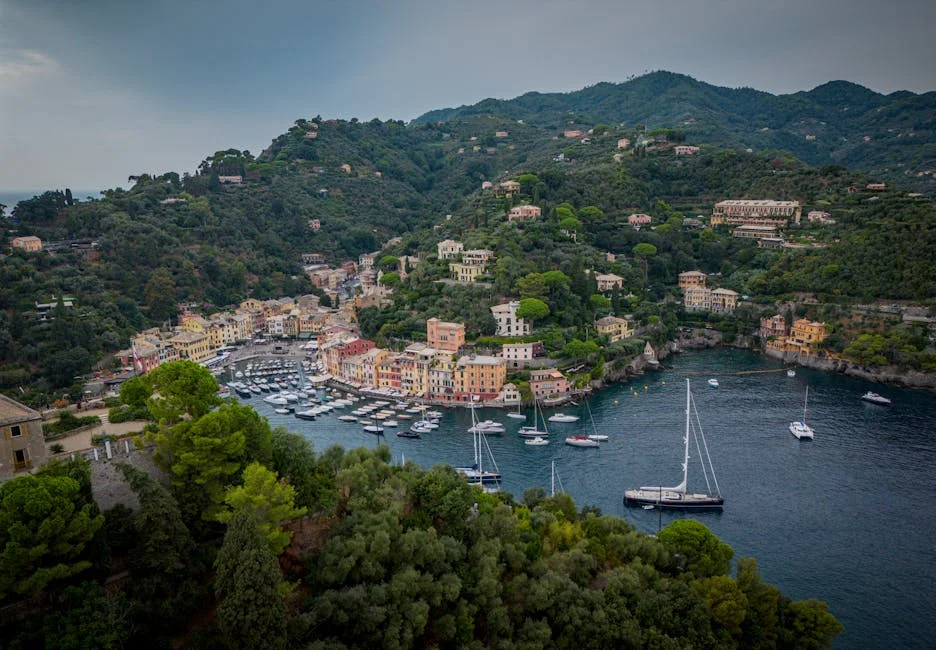
The financial impact of such incidents is often underestimated by yacht owners who focus primarily on hull damage and engine failures. A single day of grounding, cleaning, and potential medical treatment can easily push claims past the $5,000 threshold common in standard deductibles for mid-sized sailboats. Insurers in the Mediterranean region are beginning to adjust their risk models to account for environmental factors that were previously considered negligible.
Major insurance providers, including Allianz and AXA, have noted an uptick in "miscellaneous environmental claims" in the Ligurian Riviera. These claims often include cleaning fees, temporary mooring costs, and medical expenses for stings or allergic reactions. For investors in the leisure marine market, this trend signals a need for more granular data when underwriting policies for high-traffic tourist areas like Rapallo.
Cost Breakdown for Skippers
- Hull cleaning and de-waxing after a bee swarm can cost between $200 and $500 depending on the boat size.
- Emergency medical evacuation from the water, if the skipper is far from the dock, often exceeds $1,200.
- Loss of rental income if the boat is out of commission for 3 to 5 days averages $300 per day in peak season.
These costs, while individually manageable, aggregate to a significant burden for fleet operators. Small business owners who manage a fleet of three to five sailboats in Rapallo face a compounded risk that can erode profit margins by up to 10% in a single season. The economic reality is that tourism-dependent businesses must now budget for environmental unpredictability just as they do for fuel price fluctuations.
Tourism Sector Resilience in Rapallo
Rapallo, a charming town on the Gulf of Parati, relies heavily on maritime tourism to drive its local economy. The port handles thousands of visitors annually, with sailboat rentals representing a significant portion of the seasonal revenue. Any disruption to this flow, no matter how unusual, can affect the perceived reliability of the destination. Tourists who hear of chaotic events may hesitate to book last-minute trips, impacting local hotels and restaurants.
Local business associations in Genoa have begun to monitor such incidents more closely. The Chamber of Commerce in Genoa released a statement emphasizing the need for standardized response protocols for environmental disturbances. This proactive approach aims to minimize downtime for boat rentals and maintain consumer confidence in the region’s maritime offerings. The economic stakes are high, as the tourism sector contributes approximately 30% of the local GDP in peak months.
Investors looking at the broader Mediterranean tourism market should pay attention to these micro-level disruptions. They indicate a shift from traditional risk factors, such as weather and mechanical failure, to more unpredictable biological and environmental events. This shift requires a re-evaluation of asset valuation models for leisure marine businesses in Southern Europe.
Investor Perspective on Leisure Marine Markets
For investors in the leisure marine sector, the incident in Rapallo serves as a case study in operational risk management. The market for sailboat rentals in Italy is valued at over €200 million annually, making it a significant segment of the European tourism economy. Companies that fail to account for non-traditional risks may see their stock valuations or private equity valuations fluctuate more than expected.
Analysts at Bloomberg Intelligence have pointed out that the leisure marine industry is becoming increasingly sensitive to environmental variables. Climate change, for instance, has led to more frequent and intense bee swarms and other insect migrations in coastal areas. This trend is not unique to Italy but is observable across the Mediterranean basin, affecting markets in Greece, Spain, and France.
The financial implications extend beyond insurance premiums. Boat rental companies may need to invest in better protective gear for skippers and passengers, as well as more robust cleaning services. These operational expenditures can reduce net income, thereby affecting the return on investment for shareholders. It is essential for investors to scrutinize the operational expense ratios of marine leisure companies when making allocation decisions.
Economic Context of the Ligurian Riviera
The Ligurian Riviera, including Rapallo, is a critical economic zone for Northern Italy. The region’s economy is deeply intertwined with maritime activities, from fishing to luxury yachting. Disruptions to these activities can have ripple effects across the local supply chain, impacting everything from fuel suppliers to marine mechanics. The incident underscores the fragility of tourism-dependent economies when faced with unexpected environmental challenges.
Local economists in Genoa warn that if such incidents become more frequent, the cost of doing business in the region could rise significantly. This could lead to higher rental prices for tourists, potentially making the destination less competitive compared to other Mediterranean hotspots. The economic balance is delicate, and any factor that increases operational costs without a corresponding increase in revenue can strain local businesses.
The broader economic context also includes the global trend of experiential tourism, where travelers seek unique and immersive experiences. A bee swarm on a sailboat might be seen as an adventure by some, but a nuisance by others. This subjective experience translates into tangible economic outcomes, such as online reviews and repeat customer rates, which are key metrics for the modern tourism industry.
Market Reactions and Business Adaptations
Businesses in the maritime sector are already adapting to these new realities. Some rental companies in Rapallo have introduced "environmental risk add-ons" to their standard packages, allowing customers to pay a small premium for additional coverage against unusual events. This business model innovation demonstrates the market's ability to price in risk and provide consumers with choices that align with their risk tolerance.
Other companies are investing in technology to monitor environmental conditions more effectively. Drone surveillance and real-time weather and insect activity apps are becoming common tools for fleet managers. These technological investments not only help in mitigating the immediate impact of incidents but also provide valuable data that can be used for long-term strategic planning. The integration of technology into traditional maritime operations is a trend that investors should watch closely.
The market reaction to the Rapallo incident has been largely positive, with many viewing it as a manageable risk. However, the underlying message is clear: the leisure marine industry must become more agile and data-driven to remain competitive. Companies that fail to adapt may find themselves struggling with higher costs and lower customer satisfaction, ultimately affecting their bottom line.
Future Outlook and Monitoring
Looking ahead, the frequency and intensity of environmental disruptions in the Mediterranean are likely to increase. Climate change projections suggest more volatile weather patterns and shifting insect migration routes. This means that the Rapallo incident may become a common occurrence rather than an anomaly. Businesses and investors must prepare for this new normal by updating their risk assessment frameworks and operational strategies.
Regulators in Italy and across Europe are also expected to play a more active role in defining liability and standardizing insurance requirements for maritime leisure activities. This regulatory evolution could create new opportunities for insurance providers and legal firms specializing in maritime law. Investors should monitor legislative developments in key tourism markets to anticipate changes in the competitive landscape.
The next major data point to watch is the release of the annual Mediterranean Tourism Report from the European Commission, scheduled for next month. This report will provide comprehensive data on tourist satisfaction, operational costs, and environmental impacts across the region. Stakeholders should use this data to refine their investment theses and operational plans for the upcoming season. The market will be looking for signs of resilience and adaptability in the face of these emerging challenges.
See Also
- Gemini Unveils New AI Agent — US Businesses Brace for Competitive Disruption
- Google Partners with Maisfutebol to Filter Out Dubious News Sources
Economic Context of the Ligurian Riviera The Ligurian Riviera, including Rapallo, is a critical economic zone for Northern Italy. Disruptions to these activities can have ripple effects across the local supply chain, impacting everything from fuel suppliers to marine mechanics.