Samsung Electronics has managed to stave off a historic general strike, but the peace is fragile. The South Korean tech giant offered increased bonuses to its workforce, yet deep resentment simmers over how the company shares the windfall from its artificial intelligence boom. This internal tension highlights a growing disconnect between executive strategy and employee expectations in the global semiconductor sector.
Investors watching the Seoul-based conglomerate are now looking beyond the immediate labor truce. The real question is whether Samsung’s aggressive cost-cutting and bonus adjustments will sustain its market dominance as it competes with TSMC and Intel. The outcome will influence supply chains and technology prices across the United States and Europe.
Strike Averted Through Financial Compromise
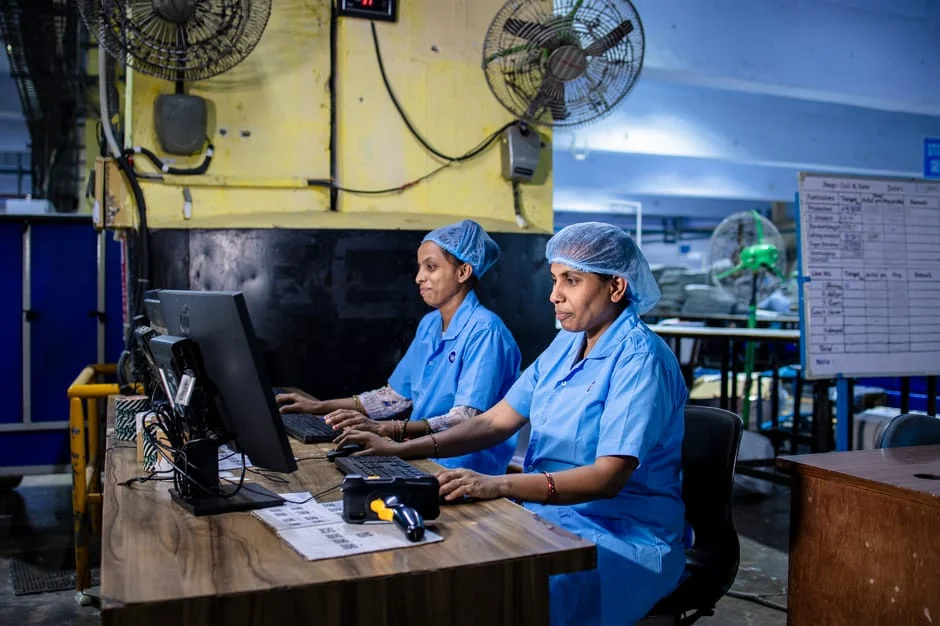
The potential walkout threatened to disrupt production lines at Samsung’s key manufacturing hubs. Workers had planned to stage their largest demonstration in years, targeting the company’s rapid expansion into AI-driven chips. Management intervened with a revised compensation package designed to placate the union without breaking the bank. This move prevented an immediate halt to operations, but it did not resolve the underlying structural issues.
Union leaders accepted the offer, noting that the bonus increase was better than the alternative of a prolonged strike. However, they warned that the agreement is temporary. The core dispute centers on how profits from the AI revolution are distributed. Employees feel that while executives reap rewards, hourly wages and job security remain precarious. This dynamic is common in labor negotiations but is intensified by the high-stakes nature of the chip industry.
For the broader economy, the avoidance of a strike is a short-term relief. Supply chain disruptions in South Korea can ripple through global electronics markets. Apple, Microsoft, and NVIDIA all rely on Samsung for critical components. Any interruption would have caused immediate price fluctuations for consumers and businesses in the United States. The current stability allows markets to digest other economic data without the noise of a labor crisis.
The Core Dispute Over AI Revenue Distribution
At the heart of the discord is the question of who benefits most from Samsung’s AI strategy. The company has invested billions in foundry technology to capture a larger share of the AI chip market. These investments are yielding returns, but workers argue that the gains are not trickling down effectively. They point to the disparity between executive stock options and the fixed hourly wages of factory workers.
Management argues that the bonus increase reflects the company’s current financial health. They contend that the AI market is still volatile and requires continuous reinvestment. This perspective aligns with shareholder interests, who prioritize dividend stability and stock buybacks. The tension between labor and capital is a classic economic conflict, but it is now playing out in the most dynamic sector of the global economy. Investors are closely monitoring how Samsung balances these competing demands.
Executive Compensation Versus Worker Wages
The gap between top earners and the average worker has widened in recent years. Executives have seen their compensation rise due to performance-linked bonuses tied to AI revenue. Workers, on the other hand, face inflationary pressures and stagnant real wages. This divergence creates a sense of inequity that fuels labor unrest. Companies that fail to address this gap risk long-term productivity losses and brand damage.
Shareholders are divided on the issue. Some investors prefer higher dividends and stock appreciation, which favors executive compensation structures. Others worry that underpaid workers may lead to higher turnover and lower quality control. This debate is not unique to Samsung but is particularly acute in the semiconductor industry. The outcome of these negotiations will set a precedent for other tech firms facing similar labor challenges.
Market Perception of Labor Stability
Markets generally favor stability over uncertainty. The averted strike sends a positive signal to investors who were worried about production delays. However, the underlying discord remains a risk factor. Analysts are adjusting their models to account for potential future labor costs. If Samsung continues to prioritize short-term profit distribution over long-term worker satisfaction, the risk of another strike increases. This uncertainty can affect the company’s stock valuation and investor confidence.
The global tech sector is watching Samsung’s approach closely. Other companies may adopt similar strategies to manage labor relations. This could lead to a broader trend of increased bonuses in exchange for labor peace. However, if workers feel that these bonuses are temporary fixes rather than structural improvements, the unrest could spread. Investors need to monitor these developments as they assess the long-term viability of tech giants.
Implications for Global Supply Chains
Samsung’s role in the global supply chain is critical. The company produces a significant portion of the world’s memory chips and advanced processors. Any disruption in South Korea affects manufacturers in the United States, China, and Europe. The recent labor truce ensures that supply remains steady for now. This stability is crucial for industries that are heavily reliant on AI hardware, such as automotive and consumer electronics.
The United States is particularly vulnerable to Samsung’s production decisions. American tech companies depend on Samsung for components that power everything from smartphones to data centers. If labor unrest were to escalate, it could lead to shortages and price hikes. This would have a direct impact on the US economy, affecting both consumers and businesses. Policymakers in Washington are keeping a close eye on these developments.
For businesses that rely on Samsung, the current situation offers a window of opportunity. Companies can secure inventory and lock in prices before any potential future disruptions. This proactive approach can help mitigate the risks associated with labor unrest. Investors should also consider the supply chain resilience of companies that depend heavily on Samsung. Diversification of suppliers may become a more attractive strategy in the coming years.
Investor Perspective on Long-Term Growth
Investors are evaluating Samsung’s ability to sustain its growth trajectory. The AI market is expected to expand significantly over the next decade. Samsung’s position in this market is strong, but it faces intense competition from TSMC and Intel. The company’s ability to manage labor relations will be a key factor in its long-term success. If workers remain satisfied, productivity will likely increase, driving further growth. If unrest continues, it could hinder innovation and efficiency.
The financial markets have reacted positively to the averted strike. Samsung’s stock price has stabilized, reflecting investor confidence in the company’s management. However, this confidence is not absolute. Investors are aware of the underlying tensions and are monitoring the situation closely. Any signs of renewed discord could lead to volatility in the stock price. This uncertainty is a key consideration for long-term investors.
From a business perspective, Samsung’s strategy of using bonuses to manage labor relations is a double-edged sword. It provides short-term stability but may not address the root causes of worker dissatisfaction. Companies that rely on this approach may find themselves facing repeated negotiations. This can be costly and time-consuming. A more sustainable approach might involve structural changes to compensation and working conditions. Investors should look for companies that are taking a more holistic approach to labor relations.
Economic Impact on the United States
The economic impact of Samsung’s labor situation extends to the United States. American consumers benefit from the steady supply of affordable electronics. If production were to slow down, prices could rise, affecting household budgets. Businesses that rely on Samsung’s components, such as automakers and tech firms, could face higher input costs. This could lead to inflationary pressures in key sectors of the US economy. Policymakers need to consider these factors when formulating economic policy.
The United States is also a major investor in Samsung. American pension funds and mutual funds hold significant stakes in the company. Any disruption to Samsung’s earnings could affect the returns on these investments. This has implications for retirement savings and financial planning for millions of Americans. Investors should be aware of the potential risks associated with global supply chain disruptions. Diversifying investments across different sectors and regions can help mitigate these risks.
For US businesses, the stability of Samsung’s production is crucial. Companies that rely on Samsung for key components need to have contingency plans in place. This could include diversifying suppliers or increasing inventory levels. The recent labor truce provides some breathing room, but the underlying tensions remain. Businesses should continue to monitor the situation and adjust their strategies accordingly. This proactive approach can help ensure continuity and minimize the impact of potential disruptions.
Supply Chain Resilience Strategies
Companies are increasingly focusing on supply chain resilience. This involves identifying potential risks and developing strategies to mitigate them. For businesses that rely on Samsung, this could mean working with multiple suppliers in different regions. This reduces the dependency on a single source and provides more flexibility. It also helps to spread the risk across different markets. This strategy is becoming more common in the global tech industry.
Investors are also looking at supply chain resilience as a key factor in valuation. Companies with robust supply chains are often valued higher than those with more fragile structures. This is because they are better equipped to handle disruptions and maintain steady growth. Investors should consider this factor when evaluating tech stocks. It is a critical component of long-term financial health.
What to Watch Next
The next few months will be critical for Samsung. The company will need to implement the new bonus structure and monitor worker satisfaction. Any signs of renewed discord could lead to another round of negotiations. Investors should watch for updates on labor relations and production output. These will be key indicators of the company’s stability. The outcome of these developments will have significant implications for the global tech market.
Policymakers in the United States and Europe should also monitor the situation. The stability of the global supply chain is crucial for economic growth. Any disruptions could have far-reaching effects. Governments may need to intervene to support key industries or diversify supply sources. This could involve new trade agreements or investment incentives. These actions will help to ensure that the global economy remains resilient in the face of labor unrest.
Consumers and businesses should prepare for potential price fluctuations. The tech market is dynamic, and any disruption can lead to changes in supply and demand. Staying informed about labor developments at key suppliers like Samsung is essential. This will help in making informed decisions about purchases and investments. The next quarter’s earnings reports will provide more clarity on the financial impact of the recent labor truce.
See Also
- Uche Nnaji Secures Enugu Ticket — Investors Eye Economic Shift
- Strong US Data Triggers Gold Price Drop — Investors Brace for Fed Hike