Microsoft has officially ended support for SMS-based two-factor authentication for many of its core services, declaring the method a primary vector for modern digital fraud. This strategic shift forces millions of business users and consumers to migrate to more secure verification methods like authenticator apps or hardware keys. The move signals a broader transformation in how enterprises manage identity security in an increasingly complex threat landscape.
The Strategic Rationale Behind the Shift
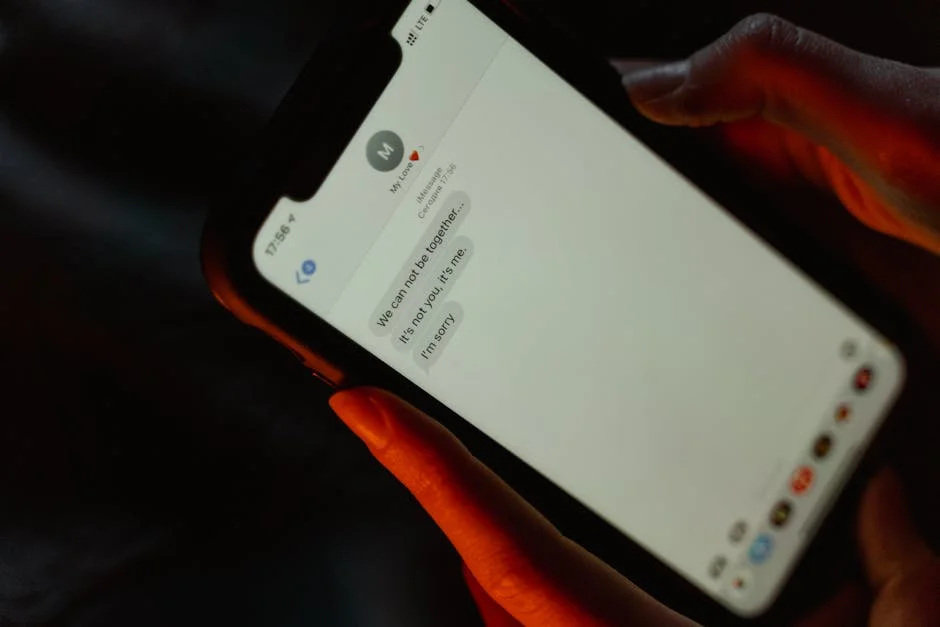
Redmond-based tech giant Microsoft determined that relying on Simple Message Service (SMS) for critical account verification was no longer sustainable. The company identified SMS as a significant source of fraud, primarily due to vulnerabilities inherent in the telecommunications infrastructure. Attackers can exploit these weaknesses through techniques such as SIM swapping and SMS interception, bypassing the second layer of defense with relative ease.
This decision is not merely a technical update but a strategic realignment of security priorities. By deprecating SMS, Microsoft aims to reduce the attack surface for one of the most widely used enterprise platforms globally. The company wants to push users toward methods that offer cryptographic security rather than relying on the often-unreliable mobile network. This change reflects a growing consensus among security professionals that convenience should not always trump robustness in identity management.
Understanding the Vulnerability of SMS
SMS messages travel through the Global System for Mobile Communications (GSM) network, which was designed in the 1980s. Unlike email or encrypted data packets, standard SMS is often transmitted in plain text or with minimal encryption. This means that a hacker does not need to hack your phone directly; they often just need to intercept the signal or trick the carrier. SIM swapping, where an attacker convinces a carrier to port a phone number to a new SIM card, is particularly devastating for SMS-dependent accounts.
Microsoft's security research indicates that a vast percentage of successful breaches involve the user's password and an SMS code. When these two factors are compromised simultaneously, the account is effectively wide open. The company's latest news highlights that this vulnerability affects not just individual users but entire organizational structures that rely on Microsoft 365 for daily operations. The financial and operational costs of these breaches are rising, prompting urgent action from technology leaders.
Immediate Consequences for Enterprise IT
For businesses relying on Microsoft 365, Azure, and Dynamics 365, this change introduces immediate operational friction. IT departments across the United States and Europe must now audit their user bases to identify those still using SMS for two-factor authentication. The transition requires communication, training, and potentially the deployment of new hardware tokens for users without smartphones. This creates a short-term resource drain on IT teams who are already managing hybrid work environments.
The impact on the United States market is particularly pronounced, given the high penetration of Microsoft enterprise solutions. Companies in finance, healthcare, and technology sectors face stricter compliance requirements, such as those from the SEC or HIPAA. Relying on SMS may soon be viewed as "negligent" in legal and insurance contexts if a breach occurs. Microsoft developments explained by industry analysts suggest that this move will accelerate the adoption of Passwordless authentication, a trend that has been slow to gain momentum.
Small and medium-sized enterprises (SMEs) may feel the pinch more acutely than large corporations. Larger firms have dedicated Identity and Access Management (IAM) teams, while SMEs often rely on the "default" settings of their software. If an SME user fails to update their authentication method, they risk being locked out of critical business applications. This could lead to productivity losses and increased helpdesk tickets, affecting the bottom line for smaller businesses.
Market Reactions and Investor Perspectives
Investors should view this move as a catalyst for the broader identity security market. As SMS fades, demand for alternative authentication solutions will surge. This benefits competitors and partners in the identity management space, including companies producing hardware security keys like YubiKey or software-based authenticators like Auth0. The shift validates the growing importance of "Zero Trust" architecture, a framework that assumes no user or device is inherently trusted.
Microsoft's stock performance may see a subtle boost from this strategic clarity. By forcing users to adopt more secure methods, Microsoft reduces the long-term liability of data breaches on its platform. This enhances the value proposition of Microsoft 365 for enterprise buyers who are increasingly worried about ransomware and phishing attacks. The market interprets such decisive action as a sign of strong product leadership and forward-thinking strategy.
The broader cybersecurity sector is likely to experience increased investment. As businesses scramble to upgrade their authentication methods, spending on cybersecurity software and hardware will rise. This trend supports the valuation of mid-cap cybersecurity firms that offer seamless migration tools. Investors monitoring the sector should look for companies that offer easy-to-deploy alternatives to SMS, as these will be in high demand during the transition period.
Business Implications and Operational Changes
Businesses must now prioritize identity security in their operational budgets. The cost of migrating away from SMS includes not just the technology but also the human capital required to manage the change. Employees need to be trained on how to use authenticator apps or hardware keys, which introduces a learning curve. This training period can lead to temporary inefficiencies, particularly in customer-facing roles where speed of access is critical.
The change also affects customer experience for businesses that use Microsoft services to authenticate their end-users. For example, a SaaS company using Microsoft Entra ID (formerly Azure AD) to log in its customers will need to communicate the change clearly. If customers are not prepared, they may face login failures, leading to churn or increased support costs. This requires a coordinated effort between IT, marketing, and customer success teams.
Furthermore, this shift forces a re-evaluation of vendor risk management. Companies using Microsoft services must ensure that their own security policies align with Microsoft's new standards. If a vendor still relies on SMS for their Microsoft accounts, the client company's data may be at risk. This creates a ripple effect, pushing entire supply chains to upgrade their authentication methods to maintain compliance and security.
Steps for Business Leaders
Business leaders should take immediate action to mitigate disruption. The first step is to conduct a comprehensive audit of all user accounts within the Microsoft ecosystem. Identify which users are relying on SMS and categorize them by risk level. High-risk users, such as executives or IT admins, should be prioritized for migration to hardware keys or push notifications.
Communicate the change clearly to employees. Explain why SMS is being phased out and provide clear instructions on how to set up alternative methods. Offer support through helpdesk channels or internal workshops to ensure a smooth transition. Finally, monitor the migration process closely and address any issues promptly to minimize downtime and employee frustration.
The Role of Competitors and Industry Standards
Microsoft's move is likely to influence other major technology providers. Google, Apple, and Salesforce have also expressed concerns about the security of SMS. If Microsoft fully deprecates SMS, competitors may follow suit to maintain competitive parity in security standards. This could lead to a rapid industry-wide shift, making SMS the "legacy" method of authentication within the next few years.
Industry standards bodies, such as the Financial Action Task Force (FATF), have already recommended moving away from SMS for high-value transactions. Microsoft's action aligns with these broader regulatory trends, reinforcing the idea that SMS is no longer "gold standard" for security. This convergence of corporate strategy and regulatory pressure creates a compelling case for businesses to act quickly.
The competition in the authentication space will intensify. Companies that offer seamless, user-friendly alternatives to SMS will gain market share. This includes biometric authentication, such as facial recognition and fingerprint scanning, which are becoming more common on smartphones. Businesses that integrate these technologies into their identity strategies will offer a more secure and convenient user experience.
Long-Term Economic and Security Outlook
In the long term, this shift is expected to reduce the frequency and severity of identity-based breaches. By moving to more secure authentication methods, businesses can reduce the reliance on passwords, which are often the weakest link in the security chain. This leads to a more resilient digital infrastructure, which is crucial for economic stability in a data-driven world.
The economic benefits of reduced breach costs are substantial. According to various reports, the average cost of a data breach continues to rise, often exceeding four million dollars. By preventing breaches through better authentication, businesses can save millions in direct costs, such as legal fees, regulatory fines, and customer compensation. This makes the initial investment in migration a sound financial decision.
However, the transition is not without challenges. The digital divide may widen if certain user groups struggle to adopt new authentication methods. For example, older employees or those with less sophisticated smartphones may find hardware keys cumbersome. Businesses must account for these disparities to ensure that the transition does not inadvertently exclude key stakeholders or customers.
What to Watch Next
Investors and business leaders should monitor the timeline of Microsoft's full deprecation of SMS. While the process has begun, the complete rollout will occur over several months, affecting different services at different times. Keep an eye on official announcements from Microsoft regarding specific deadlines for Azure AD, Microsoft 365, and Dynamics 365. Understanding these deadlines is crucial for effective planning and resource allocation.
Watch for emerging trends in passwordless authentication. As SMS fades, new technologies like FIDO2 (Fast Identity Online) and WebAuthn will gain prominence. Companies that successfully implement these standards early will have a competitive advantage in terms of security and user experience. Additionally, monitor regulatory developments in the United States and Europe, as governments may introduce new mandates for identity verification, further accelerating the shift away from SMS.
Finally, observe the market response from cybersecurity vendors. New products and services designed to facilitate the migration from SMS will emerge. These solutions may offer automated deployment, user training modules, or integrated analytics to monitor authentication health. Businesses should evaluate these tools to find the most efficient path to a post-SMS security environment. The next quarter will be critical in determining how smoothly this transition unfolds across the global enterprise landscape.
See Also
- Widow Sues OpenAI Over ChatGPT's Role in Florida Massacre
- Singapore Tightens Busking Rules as Performers See Fewer Crowds
High-risk users, such as executives or IT admins, should be prioritized for migration to hardware keys or push notifications. The Role of Competitors and Industry Standards Microsoft's move is likely to influence other major technology providers.
What is the latest news about microsoft slams sms 2fa the end of passwords is here?
Why does this matter for science?
What are the key facts about microsoft slams sms 2fa the end of passwords is here?