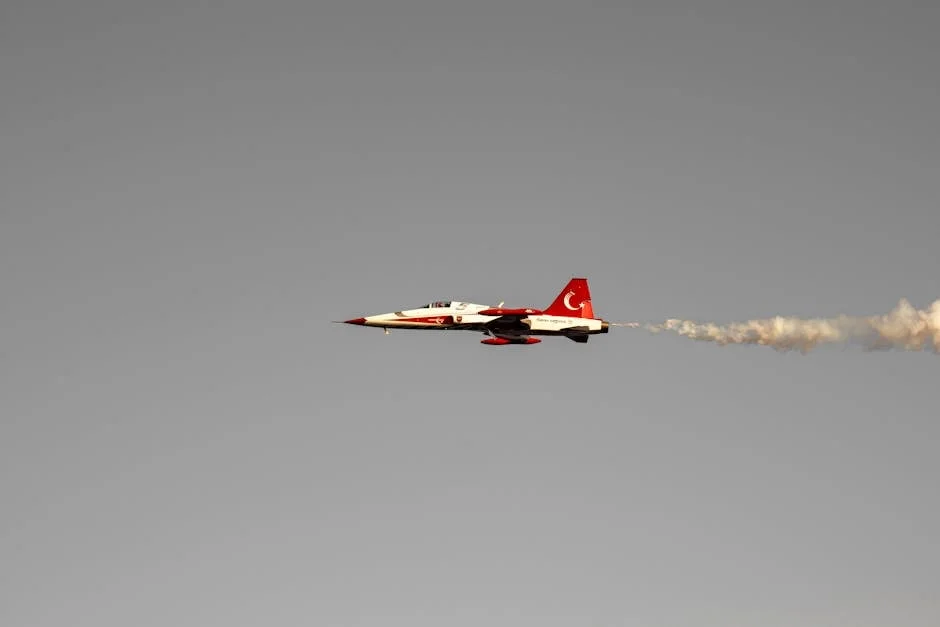
A Royal Air Force Typhoon jet intercepted and downed a Ukrainian military drone over Estonian airspace, an event that has sent immediate shockwaves through regional defense markets. This incident marks one of the most tangible escalations of the European theater, directly involving NATO assets in what was previously considered a secondary front. Investors are now scrambling to assess the implications for defense contractors and regional stability.
The interception occurred near Tallinn, highlighting the growing proximity of the conflict to core NATO territory. The British government confirmed the action, citing Russian electronic warfare jamming as a key factor in the drone’s trajectory. This development forces a re-evaluation of supply chain risks and insurance premiums across the Baltic states.
Immediate Market Reactions to the Interception
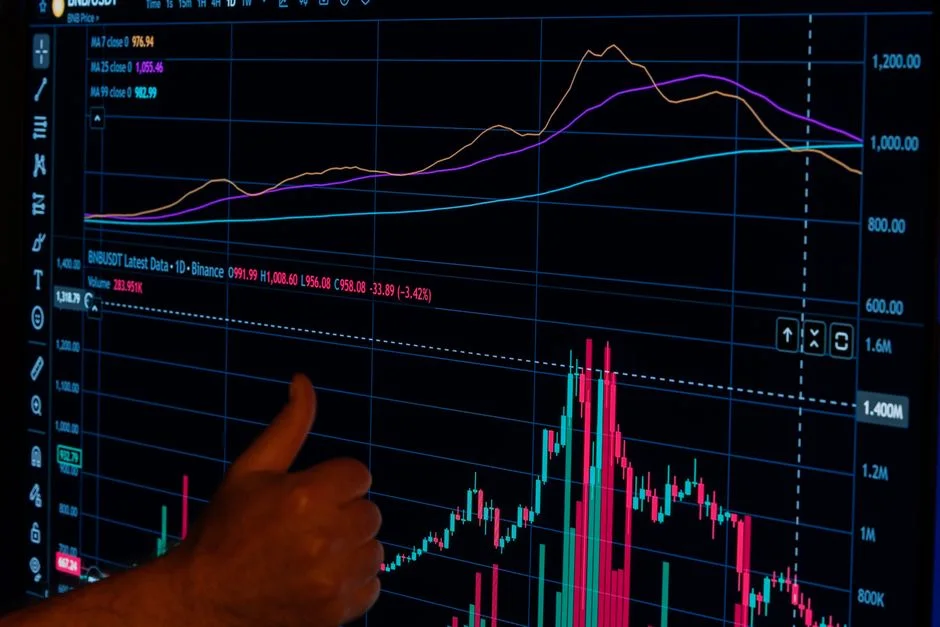
Financial markets reacted swiftly to the news, with defense stocks experiencing a noticeable uptick in trading volume. The incident serves as a concrete reminder that the war in Ukraine is no longer a distant conflict for European investors. Volatility has increased in sectors reliant on stable Baltic logistics, particularly shipping and energy infrastructure.
Analysts note that the direct involvement of a British aircraft introduces a new variable for risk assessment. The London Stock Exchange saw immediate adjustments in shares of major defense primes. This reaction underscores the sensitivity of capital flows to geopolitical signals. Investors are pricing in a higher probability of extended engagement and increased defense spending.
The economic implications extend beyond equity markets. Currency fluctuations in the Eurozone have shown subtle shifts, reflecting concerns about energy security and trade routes. The Estonian kroon’s legacy influence and the Euro’s regional strength are now tied to air superiority. This creates a complex environment for foreign direct investment in the region.
Supply Chain Disruptions in the Baltic Region
Businesses operating in Estonia and neighboring Latvia are already adjusting their logistics strategies. The risk of air traffic disruptions has led to higher insurance costs for cargo moving through the Baltic Sea. Companies are diversifying suppliers to mitigate the impact of potential further interceptions or ground incursions.
The jamming of Ukrainian drones by Russian forces complicates the supply chain for electronic components. This technological warfare aspect affects semiconductor manufacturers and telecommunications firms. Supply chain managers are now factoring in electronic warfare resilience as a key metric. This shift drives demand for advanced radar systems and communication satellites.
Logistics and Insurance Cost Implications
Insurance premiums for maritime and air freight in the Baltic region have risen sharply. Underwriters are recalculating risk models based on the frequency of NATO interventions. This increase in cost affects the bottom line for importers and exporters. Small and medium-sized enterprises are feeling the pressure of these rising operational expenses.
Logistics companies are investing in real-time tracking and alternative routing software. The need for agility in the supply chain has never been more critical. Businesses that fail to adapt risk losing market share to more resilient competitors. This trend is likely to persist as long as the threat of aerial incursions remains.
NATO’s Strategic Shift and Economic Burden
The incident underscores the evolving nature of NATO’s strategic posture. The alliance is moving from a defensive stance to a more proactive engagement model. This shift has significant economic consequences for member states, particularly in terms of defense budget allocations. The United States and the United Kingdom are leading the charge, but the financial burden is spreading.
Defense spending is expected to accelerate across Europe. Governments are under pressure to meet the 2% of GDP target, but the reality may require higher contributions. This fiscal adjustment impacts public spending in other sectors, such as healthcare and education. The economic trade-offs are becoming increasingly visible to voters and policymakers alike.
The role of the United Kingdom in this incident highlights the importance of transatlantic ties. British defense exports are likely to see a boost as NATO members seek to diversify their equipment. This creates opportunities for British manufacturers and technology firms. The global defense market is being reshaped by these geopolitical dynamics.
Investor Perspective: Defense and Energy Sectors
For investors, the defense sector offers a clear growth trajectory. Companies involved in aircraft manufacturing, missile systems, and electronic warfare are well-positioned. However, the energy sector faces ongoing uncertainty. The proximity of the conflict to key energy routes adds a layer of risk to oil and gas investments.
Renewable energy projects in the Baltics may also be affected. The need for energy independence drives investment in wind and solar power. However, the cost of capital remains a challenge for these long-term projects. Investors must weigh the potential for government subsidies against the risk of geopolitical disruption.
Technology firms specializing in data analytics and satellite imagery are also beneficiaries. The demand for real-time intelligence is driving innovation in the tech sector. This creates a ripple effect across the broader economy, fostering job creation and technological advancement. The intersection of defense and technology is a key area to watch.
Regional Economic Stability and Trade Flows
Estonia’s economy is heavily reliant on trade and services. Any disruption to air or sea routes can have a cascading effect on the national GDP. The government is working to stabilize the market through targeted fiscal measures. These efforts aim to maintain investor confidence and ensure business continuity.
The broader European Union is also monitoring the situation closely. Trade flows between the Baltic states and the rest of Europe are critical for regional integration. Any prolonged disruption could lead to inflationary pressures and supply shortages. Policymakers are preparing contingency plans to mitigate these economic risks.
The incident also highlights the importance of regional cooperation. Economic alliances are being strengthened to enhance resilience. This includes joint investments in infrastructure and technology. The goal is to create a more integrated and robust economic bloc. This strategy aims to reduce dependence on external markets and enhance self-sufficiency.
Long-Term Geopolitical and Economic Outlook
The downing of the Ukrainian drone is a symbolic and practical milestone. It signals a deeper entanglement of NATO in the conflict. This has long-term implications for global security and economic stability. The world is witnessing a shift from unipolar to multipolar dynamics, with significant economic consequences.
Investors and businesses must adapt to this new reality. Risk management strategies need to account for geopolitical volatility. Diversification and agility are key to navigating the uncertain landscape. The coming months will be critical in determining the long-term trajectory of the European economy.
The incident also raises questions about the future of international trade agreements. Tariffs and non-tariff barriers may increase as nations seek to protect their domestic industries. This protectionist trend could lead to a fragmentation of the global market. Businesses must prepare for a more complex and competitive trading environment.
What to Watch: Upcoming Policy Decisions
Investors should closely monitor upcoming NATO summits and defense budget announcements. These events will provide clarity on the alliance’s strategic direction and financial commitments. The decisions made in the next quarter will have a lasting impact on defense stocks and regional economies. Staying informed is crucial for making informed investment choices.
Policy changes in Estonia and the wider EU will also be key indicators. Look for announcements related to infrastructure investment, energy security, and trade agreements. These policies will shape the economic landscape in the Baltic region. Businesses that align with these policy directions are likely to thrive.
The next major milestone is the upcoming parliamentary vote on defense spending in key NATO countries. This vote will determine the level of financial commitment to the alliance. A positive outcome could boost defense stocks and regional stability. A negative outcome could lead to increased volatility and uncertainty. Watch for these developments to guide your investment strategy.
See Also
- Nigeria Money Market Surges Ahead of Dangote IPO
- SARS Slams Data Breach Rumors — Here Is Why Markets Care
Policy changes in Estonia and the wider EU will also be key indicators. The next major milestone is the upcoming parliamentary vote on defense spending in key NATO countries.