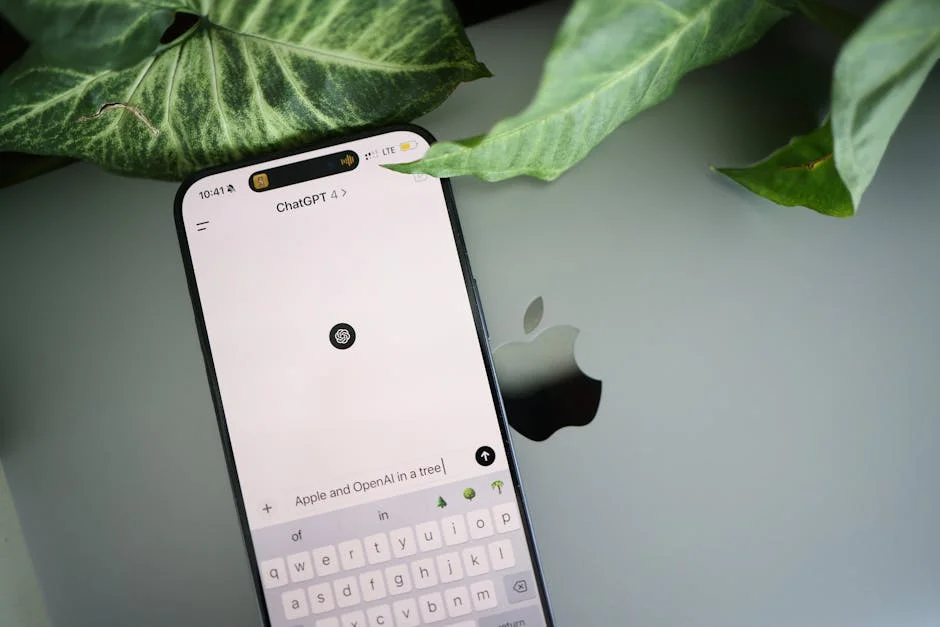
Apple Inc. has confirmed it will pay up to $95 to a class of US iPhone buyers as part of a settlement in a high-profile lawsuit regarding its artificial intelligence features. The tech giant announced the financial resolution to resolve claims that its marketing of Apple Intelligence misled consumers about which devices were truly equipped for the feature. This move marks a tangible financial cost for the company as it defends its premium pricing strategy in the competitive smartphone market.
Settlement Details and Consumer Impact
The settlement involves a specific group of iPhone users who purchased devices between October 2023 and January 2024. These buyers are eligible for a payment of up to $95 per device, depending on the specific model and purchase price. The payout addresses allegations that Apple marketed the "Apple Intelligence" suite as a standard feature when, in reality, it required specific hardware configurations that not all buyers initially understood. This clarification is crucial for consumers who felt the marketing campaign promised more than the device delivered.

For the average consumer, the $95 check is a modest return on investment but signals a broader trend of accountability in tech marketing. The lawsuit, filed in California, argued that Apple's advertising created a reasonable expectation that the AI features would work seamlessly on all newer models. By settling, Apple avoids a protracted legal battle that could have resulted in higher per-unit payouts and significant legal fees. This resolution provides immediate clarity for investors watching how consumer sentiment shifts in response to corporate transparency.
Market Reaction and Investor Perspective
Wall Street is watching this settlement closely as a test case for how consumers value software features versus hardware specifications. The stock market often reacts to legal risks as potential earnings drags, and this settlement quantifies that risk in a manageable way. Analysts view the $95 payment as a small fraction of the average iPhone sale price, suggesting that the immediate financial impact on Apple's bottom line is limited. However, the reputational cost may linger if consumers perceive the AI features as overhyped or inconsistently deployed.
Investors are particularly interested in how this legal outcome influences Apple's valuation in the broader tech sector. The settlement does not constitute an admission of guilt, which is a common strategy to preserve brand equity while resolving financial liabilities. This approach allows Apple to maintain its premium pricing power while acknowledging consumer concerns. The market will likely focus on subsequent quarterly earnings reports to see if the settlement translates into changed buying behavior or increased return rates.
Financial Implications for Apple's Q4 Earnings
The settlement amount will likely be booked as a one-time expense, affecting the net income for the relevant fiscal quarter. While the total liability is not yet fully disclosed, the per-unit cost suggests a manageable aggregate figure relative to Apple's cash reserves. This financial maneuvering is critical for maintaining investor confidence in Apple's ability to navigate regulatory and legal headwinds. The company's strong balance sheet allows it to absorb such costs without significantly impacting dividend payouts or share buyback programs.
Understanding Apple Intelligence and the Controversy
The core of the dispute lies in the technical requirements for running Apple Intelligence, the company's branded suite of AI tools. These features, which include a smarter Siri, generative text editing, and photo enhancements, rely on the Neural Engine found in the A17 Pro chip and later processors. Not all iPhones sold during the marketing window contained this specific chip, leading to confusion among buyers who expected immediate access to the new features. This technical nuance became the focal point of the class-action lawsuit.
Apple's marketing campaign heavily emphasized the transformative potential of these AI tools, positioning them as a key differentiator against competitors like Samsung and Google. The lawsuit argued that the average consumer would assume that buying a new iPhone meant getting the new AI features, regardless of the specific model number. This disconnect between marketing messaging and technical reality is a common challenge in the tech industry as software updates become as important as hardware upgrades. Understanding what is Apple Intelligence is therefore essential for both consumers and investors evaluating the product's long-term value.
Broader Implications for the Tech Industry
This settlement sets a precedent for how tech companies must communicate software capabilities to consumers. As artificial intelligence becomes a central selling point for smartphones, laptops, and even home appliances, clarity in marketing will become increasingly important. Other tech giants are watching Apple's approach to see if a similar pattern of litigation emerges in their own markets. The outcome here could influence how companies like Samsung, Google, and Microsoft structure their own AI feature rollouts and warranty terms.
The case also highlights the growing consumer awareness of software-defined value in hardware purchases. Buyers are no longer just paying for screen size or battery life; they are investing in the ongoing software experience. This shift forces companies to be more precise about what "future-proofing" means in their advertising. The legal system is stepping in to define the boundaries of reasonable consumer expectations, which will likely lead to more detailed disclaimers in tech marketing materials across the board.
What This Means for US Consumers
US iPhone owners who purchased a device during the specified window should monitor their mail or the official settlement website for instructions on claiming their $95 payment. The process is designed to be straightforward, requiring basic proof of purchase and model verification. For those who missed the initial notification, the settlement period offers a second chance to recoup some of the cost of their device. This direct financial return is a rare instance of consumers receiving tangible compensation for marketing disputes in the tech sector.
Beyond the immediate payout, consumers should pay closer attention to the technical specifications of new devices before purchasing. The lawsuit underscores the importance of understanding which hardware components support the latest software features. This level of due diligence can help buyers avoid similar confusion in the future. It also empowers consumers to demand greater transparency from tech companies regarding the rollout of new features and the compatibility of existing devices.
Future Regulatory Landscape for AI Marketing
Regulators in the United States are likely to use this settlement as a case study when evaluating future AI-related consumer protection cases. The Federal Trade Commission (FTC) has shown increasing interest in how companies advertise AI capabilities, particularly regarding data privacy and performance consistency. This Apple case provides concrete data on how consumers interpret AI marketing, which will inform future regulatory guidelines. Companies may face stricter scrutiny if their AI features are marketed as transformative without clear hardware or software prerequisites.
The legal and regulatory environment for artificial intelligence is still evolving, and this settlement is just one piece of the puzzle. As AI becomes more integrated into everyday products, the potential for consumer confusion and subsequent litigation will likely grow. Tech companies must proactively address these risks by improving communication strategies and ensuring that marketing claims are backed by clear technical realities. The outcome of this case will serve as a benchmark for future disputes in the rapidly expanding AI market.
Looking Ahead: Next Steps for Apple and Investors
Investors should monitor Apple's upcoming earnings calls for any mention of the settlement's impact on consumer sentiment and sales trends. The company's management will need to demonstrate that the resolution has stabilized customer confidence in the iPhone lineup. Additionally, the rollout of future Apple Intelligence features will be closely watched for any new marketing claims that could trigger similar legal challenges. The next major product launch will be a key indicator of whether this settlement was a one-time fix or part of a broader strategic adjustment.
Consumers and investors alike should keep an eye on regulatory announcements from the FTC and state attorneys general regarding AI marketing standards. The legal precedent set by this case may influence how future class-action lawsuits are structured and settled. As the tech industry continues to integrate AI into core products, the balance between innovation and consumer clarity will remain a critical factor in market performance. The coming months will reveal whether this settlement leads to greater transparency or simply becomes a line item in Apple's annual financial reports.
See Also
- Meta Repeatedly Ignores EU Calls to Lift Facebook and Instagram User Bans
- Jorge News Today: Brings Doubt Over Physical Condition
The next major product launch will be a key indicator of whether this settlement was a one-time fix or part of a broader strategic adjustment. Looking Ahead: Next Steps for Apple and Investors Investors should monitor Apple's upcoming earnings calls for any mention of the settlement's impact on consumer sentiment and sales trends.