The Plateau State government has issued a sweeping ban on all informal roadblocks across the region, a direct response to escalating violence in the Mangu Local Government Area. This decisive administrative move aims to restore order and protect the commercial arteries that are vital for the state’s agricultural and retail sectors. The governor’s office has simultaneously ordered the immediate arrest of key agitators, signaling a shift from diplomatic negotiation to enforcement.
Commercial Arteries Under Siege
For businesses operating in North-Central Nigeria, the road network is not merely infrastructure; it is the primary supply chain. The recent unrest in Mangu disrupted the flow of goods from Jos, the state capital, to surrounding markets. Truckers reported delays exceeding twelve hours, leading to spoilage of perishable goods and increased fuel consumption for idling engines. These operational inefficiencies translate directly into higher costs for consumers and lower margins for distributors.
The ban on roadblocks addresses a long-standing grievance among logistics companies. Informal toll collectors, often referred to as danfos or local union leaders, have historically extracted levies that are rarely accounted for in state budgets. By centralizing control, the state government intends to reduce the friction costs associated with moving goods. This policy shift could lower the cost of doing business for small and medium enterprises that rely on just-in-time delivery models.
Investors watching the Plateau market have noted that stability is the single most important factor for capital deployment. When roads are unpredictable, inventory management becomes a guessing game. The new decree provides a degree of certainty that is essential for planning. However, the effectiveness of this ban depends entirely on the enforcement capability of the state police and the traditional rulers in the affected areas.
Market Reactions to the Mangu Crisis
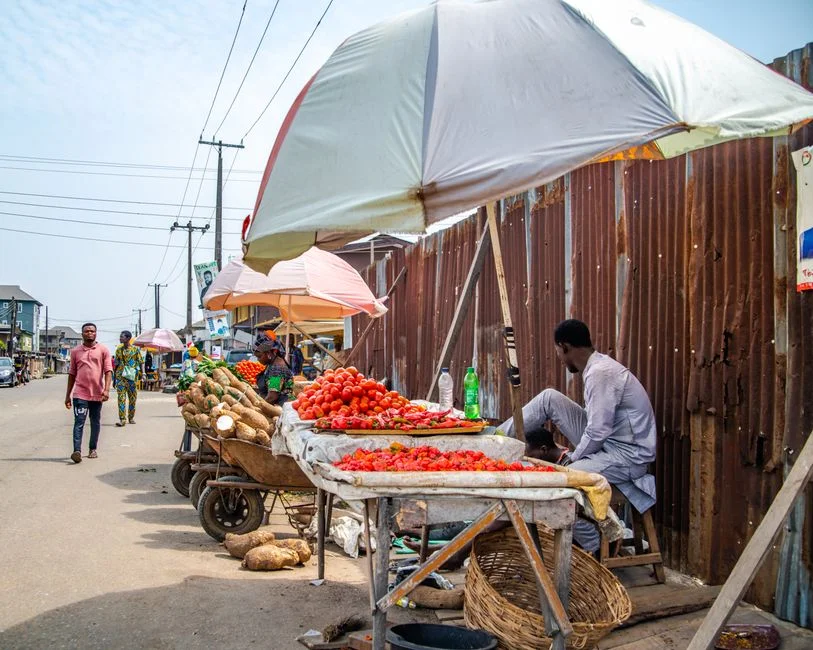
The violence in Mangu has had immediate ripple effects on local commodity prices. Markets in Jos have seen a slight uptick in the price of tomatoes and peppers, two staples that are heavily dependent on steady supply from neighboring communities. Traders in the main market have expressed concern that prolonged disruptions could lead to inflationary pressure that outpaces wage growth. This dynamic reduces disposable income for the average consumer, thereby dampening overall retail sales.
Financial analysts suggest that the uncertainty surrounding the Mangu situation has made investors cautious. While the broader Nigerian economy faces macroeconomic headwinds, local stability remains a key differentiator for regional investments. The Plateau State government’s quick action to ban roadblocks is likely to be viewed positively by stakeholders who prioritize risk mitigation. However, the market will remain sensitive to any further outbreaks of violence that could negate these administrative gains.
The arrest orders issued by the governor’s office add a layer of political weight to the economic decision. By targeting specific agitators, the administration is sending a clear message that the status quo is no longer tenable. This could lead to a short-term spike in tension as local power brokers react to the loss of their revenue streams. Businesses must prepare for potential counter-measures, such as localized strikes or boycotts, which could temporarily stall economic activity.
Impact on Local Retail and Agriculture
The agricultural sector in Plateau is particularly vulnerable to road disruptions. Farmers in the Mangu area rely on efficient transport to get their produce to processing centers and urban markets. Delays mean that fresh produce loses value rapidly, affecting the income of smallholder farmers who form the backbone of the local economy. The ban on roadblocks is therefore not just a traffic management issue; it is a direct intervention in the agricultural value chain.
Retailers in Jos have also felt the pinch. Stock levels in supermarkets and open markets have fluctuated due to the unpredictability of supply routes. Store owners have had to adjust their ordering patterns, often holding larger inventories to buffer against potential delays. This ties up working capital that could otherwise be used for expansion or marketing. The new policy aims to streamline these operations, allowing retailers to optimize their inventory management strategies.
Enforcement Challenges and Economic Risks
Implementing a total ban on roadblocks is easier on paper than in practice. The Plateau State Police Command has been tasked with enforcing the decree, but their resources are often stretched thin. There is a risk that informal collectors will simply move their operations to less monitored stretches of road, continuing to extract levies from drivers. This cat-and-mouse game can prolong the uncertainty that businesses are eager to escape.
Another significant risk is the potential for backlash from local unions. These groups often wield considerable political influence in Plateau. If they feel marginalized by the new policy, they could organize protests or strikes that disrupt economic activity even more than the roadblocks themselves. The government must balance firm enforcement with diplomatic engagement to avoid triggering a broader social unrest that could scare away investors.
The economic implications of a poorly enforced ban could be severe. If the roadblocks persist in a more chaotic form, the cost of logistics could rise further. This would erode the competitive advantage of Plateau-based businesses, potentially driving some companies to relocate their operations to more stable regions. The state’s ability to maintain order is therefore directly linked to its economic attractiveness.
Investor Confidence and Future Outlook
Investors are closely monitoring the situation in Plateau to gauge the state’s commitment to economic stability. The ban on roadblocks is a positive signal, but it is only the first step. Investors will want to see consistent enforcement and a reduction in the frequency of violent outbreaks in Mangu. If the government can deliver on these promises, it could attract more foreign direct investment, particularly in the agricultural processing and logistics sectors.
The broader Nigerian economy is also watching this development. Plateau is a key agricultural hub, and its stability has implications for food security and inflation at the national level. A successful resolution to the Mangu crisis could serve as a model for other states grappling with similar issues. Conversely, a failure to control the situation could exacerbate existing economic challenges, adding pressure to the central bank and federal government.
For local businesses, the immediate priority is to adapt to the new regulatory environment. Companies should review their supply chain strategies and build in more flexibility to handle potential disruptions. Engaging with local government authorities and traditional rulers can also help businesses navigate the complex social dynamics that underpin the economic landscape. Proactive engagement can mitigate risks and create opportunities for growth.
Long-Term Economic Implications
The long-term impact of the Plateau State government’s decision will depend on its ability to institutionalize the changes. A one-off ban may provide temporary relief, but sustainable economic growth requires a more comprehensive approach. This could include formalizing the toll collection system, improving road infrastructure, and investing in alternative transport modes. Such measures would reduce the reliance on informal collectors and create a more predictable business environment.
Furthermore, the government must address the root causes of the violence in Mangu. Economic disparities and political marginalization are often underlying drivers of conflict. By investing in local development and creating job opportunities, the state can reduce the incentives for unrest. This holistic approach would not only stabilize the region but also enhance its long-term economic potential.
Businesses and investors should remain vigilant and flexible. The situation in Plateau is dynamic, and new developments could emerge at any time. Staying informed about policy changes and local conditions is essential for making sound economic decisions. The coming weeks will be critical in determining whether the ban on roadblocks leads to lasting stability or merely a temporary lull in the economic turbulence.
The Plateau State government has set a deadline for the full implementation of the roadblock ban, with the first wave of arrests expected within the next forty-eight hours. Investors and business leaders should monitor official statements from the Governor’s office and the State Police Command for updates on enforcement actions. The next major economic indicator to watch will be the weekly price index for key agricultural commodities in Jos, which will reflect the immediate impact of improved logistics.
See Also
- UN Extends South Sudan Peace Mission — Markets Face New Fiscal Reality
- El-Rufai Held by ICPC Until March 19: What It Means for Nigeria’s Economy
The next major economic indicator to watch will be the weekly price index for key agricultural commodities in Jos, which will reflect the immediate impact of improved logistics. Another significant risk is the potential for backlash from local unions.
What is the latest news about plateau bans roadblocks after mangu violence orders arrests?
Why does this matter for technology?
What are the key facts about plateau bans roadblocks after mangu violence orders arrests?