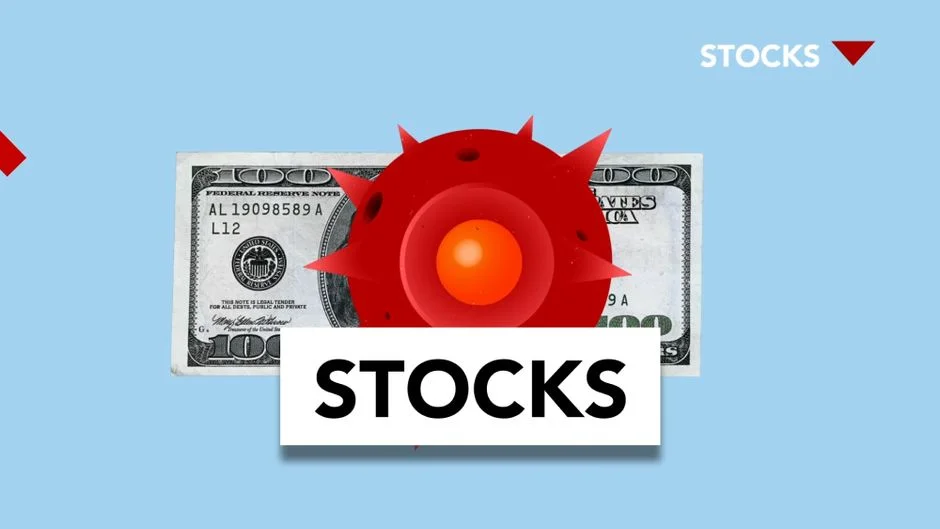
On May 1, 2026, the US Treasury Department announced an immediate halt to new debt issuance, a move that caught investors off guard. This decision follows a rapid increase in interest rates and aims to stabilise the government’s financial footing amid rising inflation concerns.
Immediate Market Reactions
The stock market reacted swiftly to the news, with the S&P 500 index dropping by 2.3% within hours of the announcement. Analysts highlight that this is the most considerable single-day decline since the previous quarter. Investor sentiment has turned bearish as fears of a liquidity crunch loom large.

The Treasury's decision comes as the 10-year Treasury yield reached 4.5%, its highest since 2007. This surge reflects rising inflation expectations and the Federal Reserve's aggressive monetary tightening. As borrowing costs increase, businesses and consumers alike face higher expenses, which could dampen economic growth.
Business Implications and Economic Context
With the halt in new debt issuance, businesses reliant on government contracts may experience delays in funding. The construction and infrastructure sectors, in particular, could feel the pinch as federal projects slow down. Companies like Bechtel and Fluor, which depend heavily on government contracts, may need to reassess their project timelines.
Moreover, the absence of new Treasury bills could reduce liquidity in the market, pushing investors to seek alternative investment opportunities. This shift could impact the stock market as capital flows away from equities into safer assets. The potential downturn could also trigger a ripple effect across global markets, particularly in countries linked to US financial systems.
Investor Perspectives and Future Outlook
Investors are recalibrating their portfolios in response to the Treasury's announcement. Many are turning towards commodities and real estate as alternative investments amidst rising interest rates. Historically, gold has performed well in similar circumstances, with prices increasing by approximately 15% during periods of high inflation.
Prominent financial institutions are advising clients to adopt a cautious approach. BlackRock's Chief Investment Officer, Rick Rieder, stated, "Investors should prepare for a prolonged period of uncertainty as the effects of this decision unfold across multiple sectors. Diversification remains key in these volatile times."
What to Watch Next
As the market digests the implications of the Treasury's decision, investors should monitor upcoming economic data releases, particularly consumer price indices and job reports. These figures will provide critical insights into inflation trends and the overall health of the economy. Additionally, the Federal Reserve's next meeting on interest rates, scheduled for June 2026, will be pivotal in shaping market expectations moving forward.
See Also
- Blue Origin Halts Rocket Launch After Satellite 'Mishap'
- China's Military Ran Secret Nvidia Chip Purchases for Years — Now Markets Are Watching
These figures will provide critical insights into inflation trends and the overall health of the economy. This shift could impact the stock market as capital flows away from equities into safer assets.
What is the latest news about us treasury department halts new debt issuance investors brace for market shock?
Why does this matter for environment?
What are the key facts about us treasury department halts new debt issuance investors brace for market shock?