The rising cost of ingredients for the beloved Nigerian dish Jollof rice has reached alarming levels, impacting millions of households across Nigeria. With the Jollof index now pegged at N30,435, minimum wage earners can only afford to make two pots of this staple meal. This situation calls into question the broader economic implications for Nigeria and its connections to global markets.
Understanding the Jollof Index
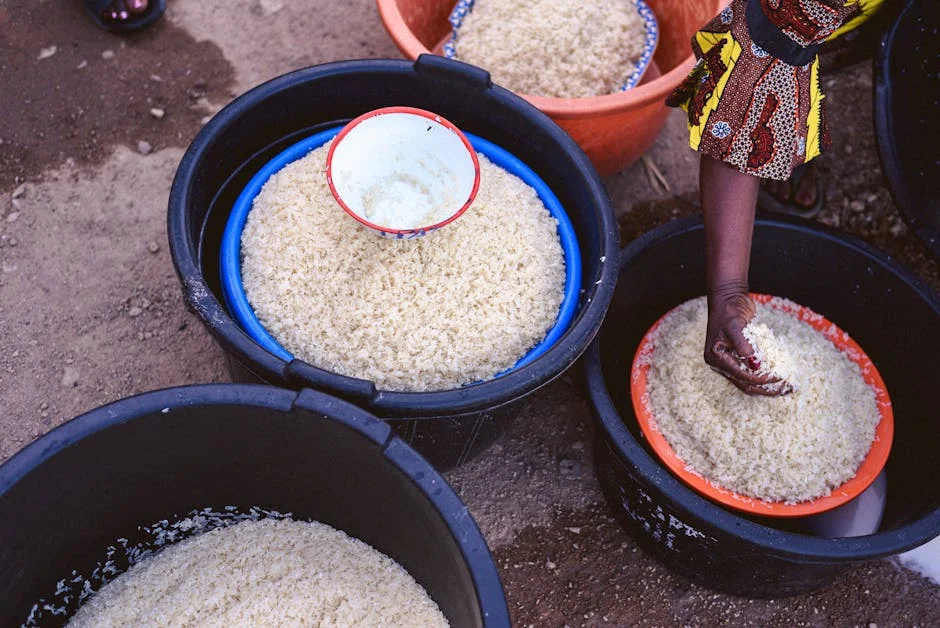
The Jollof index, an informal metric created to measure the cost of making Jollof rice, has become a crucial indicator of food affordability in Nigeria. As of now, the minimum wage in the country stands at N30,000. Given that the average cost of ingredients for two pots of Jollof rice totals N30,435, this leaves minimum wage earners in a precarious position. The data reflects not just rising food prices but also the challenges faced by an economy grappling with inflation and currency devaluation.
Market Reactions and Economic Impact
Rising food prices are likely to drive inflation even higher, creating a ripple effect that could impact various sectors. As the cost of living escalates, consumer spending is expected to decline, affecting businesses heavily reliant on local consumers. This downturn could lead to lower revenues for companies, prompting some to reconsider their investment strategies in the region.
Additionally, the situation may entice foreign investors to reconsider their positions in Nigeria. Higher inflation rates could weaken the Naira further, making investments riskier. For multinational companies, this translates into increased costs of doing business, as they may have to raise prices to maintain profit margins.
Food Security Concerns
The rising cost of Jollof rice not only affects the culinary landscape but also raises significant concerns over food security in Nigeria. The inability of minimum wage earners to afford basic staples signals a potential crisis, leading to increased reliance on external aid. Moreover, food security is intrinsically linked to political stability, and any unrest triggered by food shortages could have far-reaching consequences.
Nigerian Influence on Global Markets
As Nigeria is one of Africa's largest economies, its economic struggles can have ripple effects on global markets, especially in sectors like agriculture and commodities. Investors in the United States and beyond should monitor how these local challenges may translate into larger trends, particularly with the international prices of staple foods and agricultural products.
Looking Forward: What’s Next?
As Nigeria grapples with these pressing issues, stakeholders must keep a close watch on upcoming economic policies that could address food inflation. The government may have to re-evaluate its subsidy strategies or implement new measures to stabilize the economy. With the cost of living continuing to rise, the global community should remain alert to how Nigeria's challenges might impact international markets and investment opportunities in the near future.
See Also
- Russia Warns EU After Romania Drone Attack — Markets Brace for Fallout
- Veeam Software Warns AI Threats Are Outpacing Human Speed