A tragic train crash in Bekasi, Indonesia, has left investors and businesses on high alert as concerns mount over the country's infrastructure. On Tuesday, a passenger train collided with a maintenance vehicle, resulting in multiple fatalities and injuries. The incident took place near Bekasi, a city integral to Indonesia's economic framework due to its proximity to Jakarta and its role as a manufacturing hub.
Immediate Market Reactions
The immediate aftermath of the crash saw shares in local infrastructure and transportation companies, such as state-owned PT Kereta Api Indonesia, experience a decline. Investors are wary of the potential for increased scrutiny and regulatory changes in the wake of the accident. The Jakarta Composite Index, a benchmark for the Indonesian stock market, saw a modest drop, reflecting broader concerns about transportation safety standards.
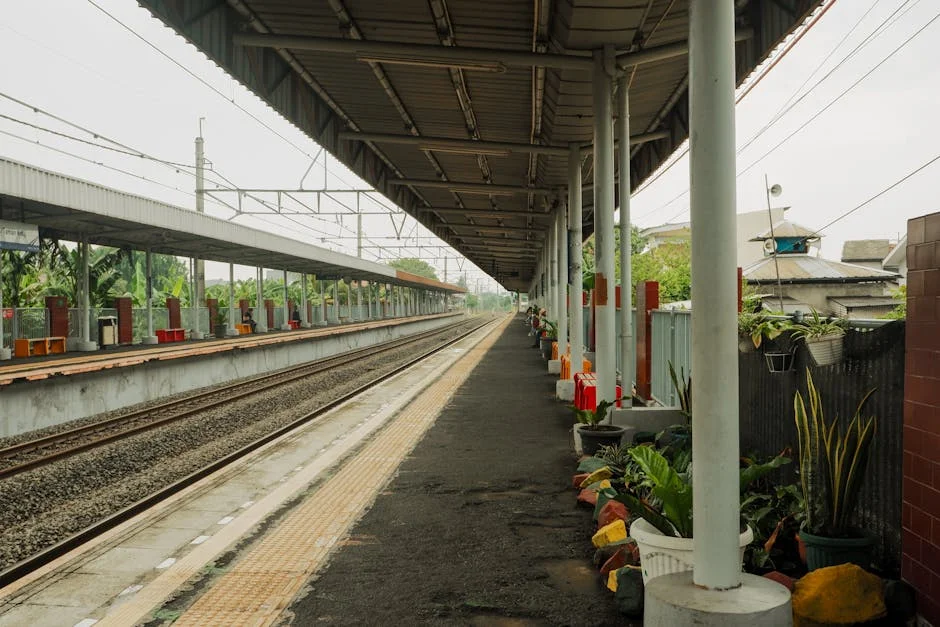
Indonesia's infrastructure sector has been a focus for domestic and foreign investors alike, with the government pledging significant investment. However, this incident may lead to reevaluations of project timelines and budgets, potentially delaying economic benefits expected from infrastructure improvements.
Bigger Picture: Indonesia's Economic Health
The train crash has underscored the vulnerabilities in Indonesia's infrastructure, a critical component of its long-term economic strategy. Indonesian President Joko Widodo has repeatedly emphasized the importance of infrastructure in boosting economic growth and attracting foreign investment. However, incidents like this could undermine confidence in the country's ability to manage large-scale projects safely and efficiently.
Bekasi, often overshadowed by nearby Jakarta, plays a pivotal role in the nation's economy. As a key industrial city, disruptions in Bekasi could ripple through the supply chain, affecting industries ranging from electronics to automotive. This could, in turn, impact Indonesia's GDP growth, which was forecasted to be around 5% for 2023.
Investors and Future Implications
For international investors, including those from the United States, the train crash serves as a reminder of the risks associated with investing in emerging markets like Indonesia. While the country offers lucrative opportunities, infrastructure challenges remain a potential hurdle. Analysts are watching closely to see if the government will announce new safety regulations or infrastructure investments in response to the crash.
In the short term, businesses operating in Bekasi may face logistical challenges and increased transportation costs. Long-term implications could include stricter safety protocols and more rigorous oversight of infrastructure projects, which might increase operational costs for companies involved in expansions or new developments.
What to Watch Next
Moving forward, the focus will be on the Indonesian government's response to the tragedy. Observers anticipate upcoming policy announcements aimed at improving transportation safety standards. Investors and businesses should monitor these developments closely, as they could shape the future landscape of infrastructure investment in Indonesia. Additionally, any potential delays in ongoing infrastructure projects could have broader economic implications for the region.
See Also
- Sundar Pichai Urges Caution Amid Rising Anxiety Over A.I. Developments
- Spain's Green North Sparks Market Shifts — and Investor Concerns