The United States has introduced stringent new visa rules, instructing applicants to deny any fear of returning to their home countries or risk visa refusal. This policy shift, announced this week, has raised concerns among businesses and investors about potential economic repercussions. The new directive aims to tighten immigration control but could inadvertently affect market dynamics and international business operations.
Visa Rules and Economic Implications
Under the updated guidelines, applicants must assert that they do not fear returning to their home countries, a move aimed at reducing asylum claims. This development is expected to have ripple effects on the US economy, particularly in sectors reliant on foreign labor and talent. Companies in technology hubs like San Francisco and New York may face hurdles in recruiting international talent, potentially affecting innovation and competitiveness.
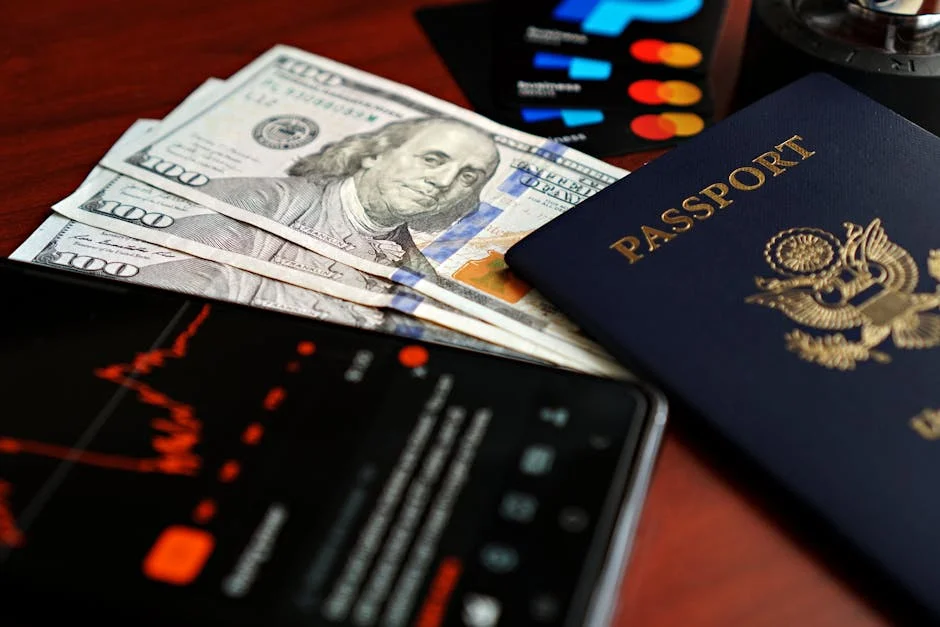
The US Chamber of Commerce, a key business advocacy group, has expressed concerns about the potential impact on foreign investments. The Chamber notes that over 20% of US startups are founded by immigrants, highlighting the critical role of international talent in driving economic growth and innovation.
Market Reactions and Business Concerns
Financial markets had an immediate reaction to the announcement. The S&P 500 experienced a slight dip of 0.5% as investors weighed the implications of reduced foreign workforce mobility. Analysts at Goldman Sachs have warned that the policy could lead to a slowdown in sectors such as technology and education, where international students and professionals play a significant role.
Businesses are also voicing concerns over the potential disruption to operations. Many multinational companies rely on a steady influx of skilled workers from abroad. With the new visa rules, these companies may need to rethink their hiring strategies, potentially increasing costs and affecting their bottom lines.
Investment and Trade Considerations
Investors are watching closely to see how these changes will impact the broader economic landscape. The potential reduction in skilled labor could lead to decreased productivity and innovation, affecting stock valuations and future growth prospects. Additionally, trade relations might be strained if other countries perceive the US as becoming less welcoming to foreign nationals.
Future Outlook and What to Watch
As the new visa rules take effect, businesses and investors will closely monitor the policy's implementation and its impact on the economy. Key sectors to watch include technology, education, and manufacturing, which heavily depend on international talent. Additionally, any adjustments or legal challenges to the policy could alter its trajectory and effects.
Looking ahead, the US government may need to balance its immigration objectives with economic priorities. Businesses will likely advocate for policies that ensure a steady flow of international talent, essential for sustaining economic growth and maintaining global competitiveness. Stakeholders should stay informed about further developments and be prepared to adapt to changing regulations.