The latest wave of AI-powered PCs is hitting the market, promising advanced features at a fraction of the expected cost. Companies like Lenovo, headquartered in Beijing, are leading the charge, offering models that integrate AI capabilities for enhanced user experience. This development, announced at the International Consumer Electronics Conference in San Francisco, is poised to reshape market expectations.
Price Reductions and Economic Impact
With prices starting as low as $600, these AI PCs are more accessible than anticipated, making them attractive to both consumers and businesses looking to upgrade their technology. This price point marks a significant reduction compared to traditional PCs with similar capabilities, leading to potential market disruption.
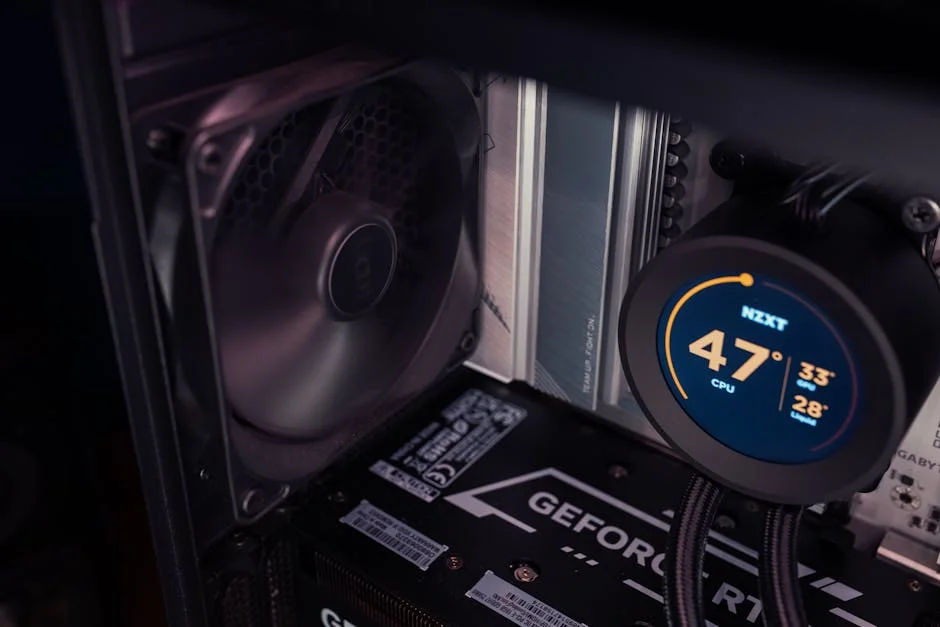
The lower costs could trigger increased consumer demand, boosting sales in the tech sector and potentially leading to a surge in stock prices for companies involved in the production and distribution of these AI PCs. Economists at the New York Institute of Technology suggest that this could invigorate the tech economy, particularly in cities like San Francisco, where tech investments are prevalent.
Business and Investment Opportunities
For businesses, the integration of AI technology in everyday operations could enhance productivity and efficiency. Companies could leverage these PCs to streamline processes, reduce operational costs, and improve data analysis capabilities. This could lead to increased competitiveness and market share.
Investment Potential
Investors are watching closely as the AI PC market develops. With significant players like Lenovo and Dell investing heavily in AI technology, stock market analysts are projecting favorable outcomes for investors in these companies. The potential for growth in market share makes these stocks a viable consideration for long-term portfolios.
Moreover, the broader adoption of AI PCs could boost ancillary markets such as software development and cybersecurity, creating diverse opportunities for investors.
Challenges and Future Prospects
Despite the promising outlook, challenges remain. The integration of AI technology raises concerns over data privacy and security, which companies must address to gain consumer trust. Additionally, businesses will need to invest in training and infrastructure to fully capitalize on the benefits of AI PCs.
As the technology evolves, the market will need to adapt to changes in consumer behavior and regulatory landscapes. Companies that successfully navigate these challenges will likely emerge as leaders in the new tech economy.
Looking ahead, the next significant milestone will be the upcoming technology expositions in Berlin and Tokyo, where further advancements in AI integration are expected to be showcased. These events will likely offer additional insights into the future trajectory of AI PCs and their impact on global markets.