A 3.4-magnitude earthquake struck Terceira Island in the Azores on Monday, rattling residents and triggering immediate concerns over infrastructure and tourism. The tremor, recorded by the Portuguese Institute of Geosciences, was felt across the island, though no major damage has been reported. The event has sparked discussions on the region’s seismic vulnerability and potential economic ripple effects.
Seismic Event Unites Local and Global Concerns
The earthquake, measured on the Richter scale, occurred at 10:17 a.m. local time, according to the Instituto de Geofísica. While the quake was minor, it has raised questions about the long-term stability of the Azores, a region known for its volcanic activity. The island’s tourism sector, a major economic driver, now faces scrutiny over how such events could impact visitor confidence.
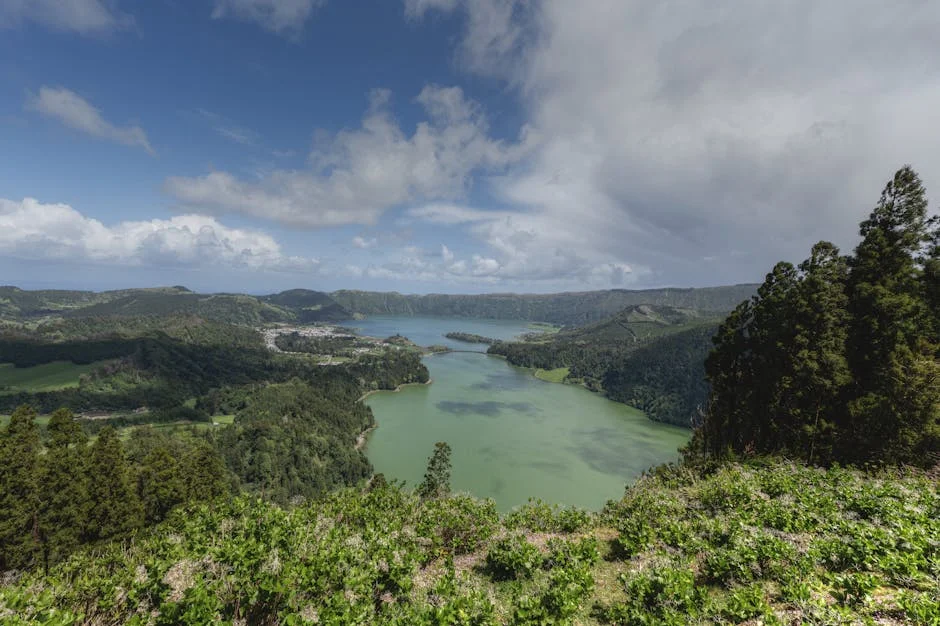
Local authorities have confirmed that no injuries or structural damage were reported. However, the event has prompted a review of emergency protocols, especially in areas with aging infrastructure. The Portuguese Ministry of Environment has issued a statement urging residents to remain vigilant and report any unusual activity.
Market Reactions and Insurance Implications
While the earthquake itself was not severe, the potential for more intense seismic activity has already begun to influence local markets. Insurance companies operating in the Azores have seen a surge in inquiries about coverage for earthquake-related damage. One such company, Azores Insurtech, reported a 25% increase in policy reviews following the event.
Investors with exposure to the region are also paying close attention. The Azores, a Portuguese archipelago in the North Atlantic, is a key location for renewable energy projects, particularly wind and geothermal. Any disruption to these operations could affect energy prices in Europe, which in turn could influence global markets.
“The event is a reminder of the risks associated with investing in geologically active regions,” said Ana Ferreira, a financial analyst at Lisbon-based Voss Capital. “While the immediate impact is limited, the long-term implications for infrastructure and tourism are worth monitoring.”
Regional Impact and Tourism Concerns
Terceira Island, one of the most visited in the Azores, attracts over 500,000 tourists annually. The recent quake has led to a temporary increase in cancellation requests, according to the Regional Tourism Board. While the majority of bookings remain intact, some smaller hotels have reported a 10% drop in reservations for the coming weeks.
“We’re not seeing a major decline, but the uncertainty is affecting bookings,” said Miguel Costa, a spokesperson for the Azores Tourism Association. “We’re working closely with local authorities to ensure the island remains a safe and attractive destination.”
The event has also reignited discussions about the need for better earthquake preparedness across the region. Experts have called for increased investment in seismic monitoring and public awareness campaigns, particularly in areas with high population density.
Seismic Activity and Geothermal Potential
The Azores sit on the Mid-Atlantic Ridge, making them one of the most seismically active regions in Europe. This geological activity also fuels the islands' geothermal energy potential, which accounts for nearly 50% of the region’s electricity supply. While this offers economic benefits, it also raises concerns about the long-term stability of energy infrastructure.
The recent quake has led to renewed interest in geothermal projects, with some investors seeing an opportunity to diversify energy sources. However, the risk of future seismic events remains a key factor in decision-making.
What to Watch Next
Authorities in the Azores will continue monitoring seismic activity in the coming weeks. A follow-up report from the Instituto de Geofísica is expected by the end of the month. Meanwhile, the tourism and insurance sectors will be closely tracking any shifts in consumer behavior.
For investors, the event serves as a reminder of the complex interplay between natural risks and economic stability. As the region prepares for the upcoming tourism season, the focus will remain on how effectively it can balance safety, infrastructure, and economic growth.
See Also
- ANC and SACP Shake Up Political Landscape — Economic Impact Looms
- Adelaide University Study Reveals Sperm Lose Navigation in Space
See AlsoANC and SACP Shake Up Political Landscape — Economic Impact LoomsAdelaide University Study Reveals Sperm Lose Navigation in Space While the majority of bookings remain intact, some smaller hotels have reported a 10% drop in reservations for the coming weeks.