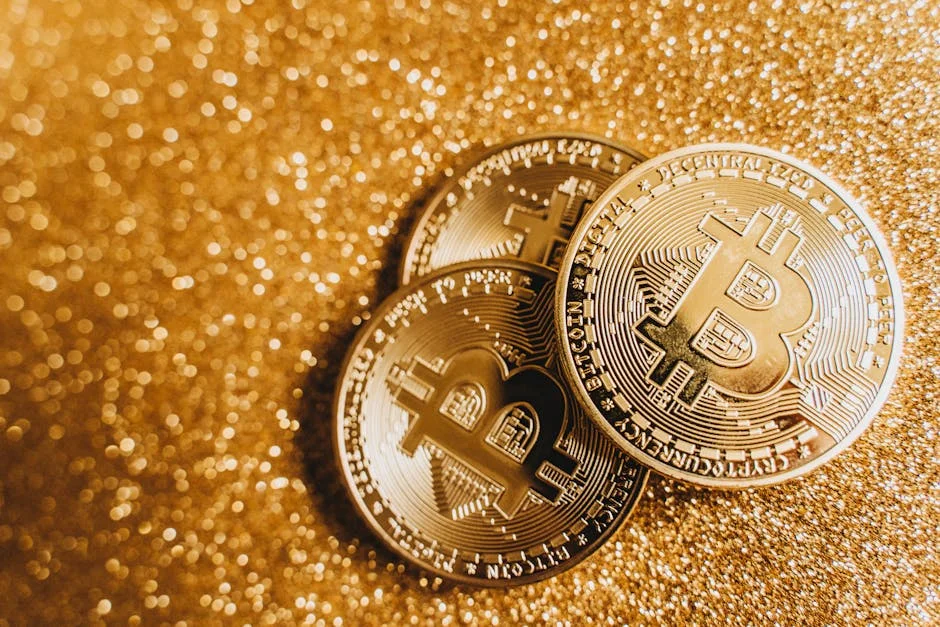
The U.S. government has raised concerns over renewed tensions with Iran, triggering a sharp drop in Bitcoin prices and a surge in oil prices. The situation has unsettled global markets, with investors reacting to the geopolitical uncertainty. The U.S. Department of Energy reported that crude oil prices rose 4.2% on Monday, while Bitcoin fell to $27,500, a 12% decline from its previous high. The developments come amid heightened fears of a potential military conflict in the Middle East.
Market Reactions to Geopolitical Tensions
The U.S. and Iran have been locked in a delicate standoff since early 2023, with recent clashes in the Persian Gulf raising fears of a broader conflict. On Monday, the U.S. State Department issued a statement warning of increased risks to American interests in the region. This led to a wave of risk-off sentiment in global markets. Investors flocked to safe-haven assets, pushing gold prices up 1.8%, while cryptocurrencies, seen as volatile assets, suffered heavy losses.
The Federal Reserve’s recent policy statement, which hinted at a potential pause in interest rate hikes, added to the uncertainty. The Fed’s decision to maintain a dovish stance was meant to ease inflationary pressures, but the geopolitical risk overshadowed the central bank’s message. The S&P 500 closed down 0.7%, reflecting broader market jitters.
Impact on Investors and Businesses
For investors, the sharp swings in Bitcoin and oil prices highlight the growing sensitivity of financial markets to geopolitical events. Hedge funds and institutional investors are re-evaluating their portfolios, with some shifting funds into gold and Treasury bonds. The CME Group reported a 25% increase in trading volume for gold futures in the past week, indicating heightened demand for safe-haven assets.
Businesses in the energy sector are also adjusting to the volatility. ExxonMobil announced it would increase production in the Gulf of Mexico to hedge against potential supply disruptions. Meanwhile, tech companies, which have been heavy Bitcoin holders, are reassessing their exposure. According to a report by Bloomberg, over 40% of major tech firms have reduced their crypto holdings in the past month.
Oil Market Volatility and Geopolitical Risk
The oil market has been particularly sensitive to the U.S.-Iran tensions. The International Energy Agency (IEA) warned that any disruption in the Strait of Hormuz could lead to a 10% spike in global oil prices. The IEA’s latest report highlighted that the region accounts for 20% of global oil exports, making it a critical chokepoint. As a result, traders are closely monitoring the situation, with oil prices now hovering around $92 per barrel.
Energy analysts are split on the long-term impact. Some argue that the current spike is temporary, while others warn of a potential long-term shift in energy markets. “This is not just a short-term reaction,” said Dr. Emily Carter, an energy economist at Stanford University. “If tensions persist, we could see a structural shift in how energy is priced and traded globally.”
What This Means for the U.S. Economy
The U.S. economy is feeling the ripple effects of the market volatility. The Federal Reserve is now under pressure to balance inflation control with the need to stabilize financial markets. A recent survey by the New York Federal Reserve found that 68% of businesses are concerned about the impact of geopolitical risks on their operations. Small and medium-sized enterprises (SMEs) are particularly vulnerable, as they lack the resources to hedge against currency and commodity fluctuations.
The Federal Reserve’s upcoming meeting in mid-September will be closely watched. Investors are hoping for clarity on the central bank’s future monetary policy. The Fed’s decisions could influence everything from mortgage rates to stock valuations. “The market is waiting for a signal,” said economist John Thompson of the University of Chicago. “If the Fed signals a more aggressive approach, it could further destabilize markets.”
Looking Ahead: What to Watch Next
The coming weeks will be critical for both markets and geopolitics. The U.S. government is expected to release a new defense strategy by the end of September, which could include measures to bolster regional security. Meanwhile, the IEA will publish its monthly oil market report on October 5, which could provide further insight into global supply dynamics.
Investors should also keep an eye on the Federal Reserve’s next move. With inflation still above the 2% target, the central bank faces a tough balancing act. A decision to maintain the current interest rate could provide short-term stability, but it may also fuel further market volatility. As the situation unfolds, staying informed and adaptable will be key for businesses and investors alike.
See Also
- Trump Threatens Iran Strikes — Oil Prices Surge, Markets Shudder
- Mia Williams Sparks Controversy as Mississippi State Fires Up Texas Tech
The IEA’s latest report highlighted that the region accounts for 20% of global oil exports, making it a critical chokepoint. A recent survey by the New York Federal Reserve found that 68% of businesses are concerned about the impact of geopolitical risks on their operations.
What is the latest news about us tensions with iran send bitcoin plummets oil rises?
Why does this matter for politics-world?
What are the key facts about us tensions with iran send bitcoin plummets oil rises?