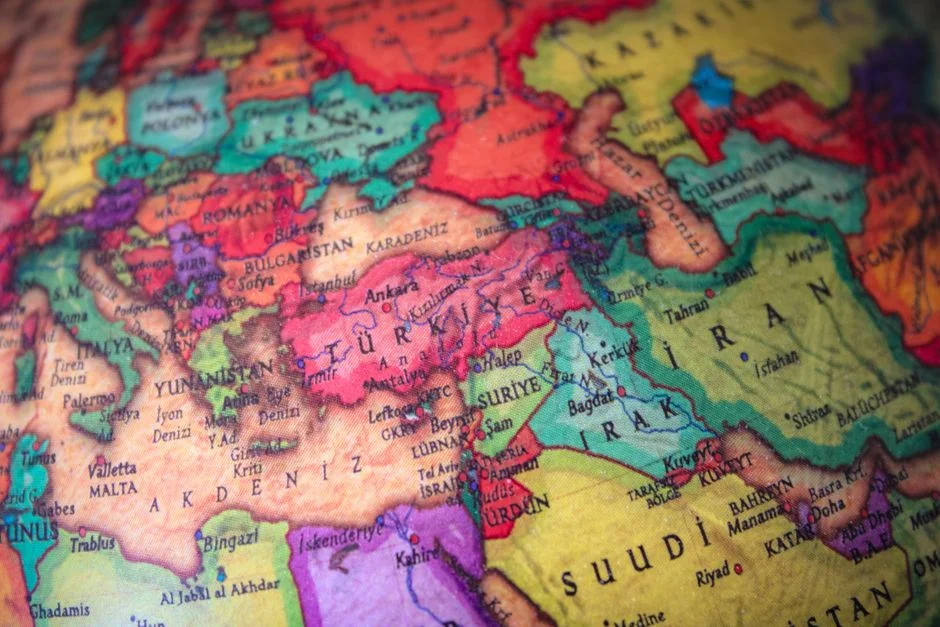
US President Donald Trump has announced that sanctions against Iran are essential to achieving a new nuclear deal, signaling a hardline stance in ongoing negotiations with the Islamic Republic. The move comes as the administration seeks to curb Iran’s nuclear ambitions and stabilize the Middle East. Trump’s remarks, made during a press briefing at the White House on Tuesday, reflect his administration’s continued focus on enforcing strict economic pressure on Tehran.
Sanctions as a Bargaining Chip
Trump emphasized that lifting sanctions would only happen if Iran agrees to a more comprehensive nuclear agreement. The President cited a recent report from the US Department of State, which noted that Iran has been expanding its uranium enrichment activities in violation of the 2015 nuclear deal. “We can’t let Iran continue to develop nuclear weapons,” Trump said, adding that the current agreement is “unacceptable.”
The administration has already imposed new financial restrictions on Iranian entities, including a $150 million penalty on a major state-owned bank. These measures are expected to intensify pressure on Iran’s economy, which has been struggling with inflation and a collapsing currency. Analysts suggest that the sanctions could push Iran to the negotiating table, but they also risk further destabilizing the region.
Market Reactions and Investor Sentiment
Global markets reacted cautiously to Trump’s announcement. The S&P 500 dipped by 0.8% in early trading, while oil prices surged to $76 per barrel as investors braced for potential disruptions in the Middle East. The US dollar also strengthened against the euro and the yen, reflecting concerns over geopolitical tensions.
Investors are closely watching how the situation unfolds. “The sanctions could lead to a short-term spike in oil prices, which would hit consumers and energy-dependent industries,” said Sarah Lin, a senior analyst at Capital Markets Group. “However, if the deal is reached, it could bring long-term stability to the region and boost investor confidence.”
Business Implications and Supply Chain Risks
US-based companies with operations in the Middle East are already preparing for potential disruptions. Energy firms like ExxonMobil and Chevron have warned that increased tensions could lead to supply chain bottlenecks. “We are monitoring the situation closely and have contingency plans in place,” said a spokesperson for Chevron.
The automotive sector is also concerned. Ford Motor Company, which has manufacturing plants in several Middle Eastern countries, has expressed worry over the potential for further economic instability. “Any escalation in the region could impact our supply chains and increase costs,” the company said in a statement.
Regional and Global Reactions
Iran has condemned the US stance, with Foreign Minister Mohammad Javad Zarif calling the sanctions “a violation of international law.” The Iranian government has warned that it will take “measures to protect its national interests.” Meanwhile, European allies have urged caution, fearing that the new measures could derail diplomatic efforts.
The United Nations Security Council is set to hold an emergency session on Thursday to discuss the situation. UN Secretary-General António Guterres has called for “a peaceful resolution to the crisis,” but the path forward remains uncertain.
What Comes Next?
The next major test for the administration will be a planned meeting between US officials and Iranian representatives in Vienna later this month. If no progress is made, Trump has indicated that more sanctions could be imposed. The deadline for a breakthrough is set for mid-October, with the possibility of further escalation if negotiations fail.
Investors and businesses are advised to monitor developments closely. The situation could have far-reaching economic consequences, from energy prices to trade flows. As the clock ticks toward the deadline, the world watches to see whether diplomacy can prevail over confrontation.
See Also
- Ishmael Reed Targets Elon Musk: How a New Play Could Shake Up Silicon Valley’s Brand
- Streamer D4vd Exposed in $1.2M Insider Betting Scandal Involving Google Engineer
“Any escalation in the region could impact our supply chains and increase costs,” the company said in a statement. The United Nations Security Council is set to hold an emergency session on Thursday to discuss the situation.
What is the latest news about trump demands iran sanctions to secure nuclear deal?
Why does this matter for business-finance?
What are the key facts about trump demands iran sanctions to secure nuclear deal?