Air Arabia flight QR403 from Abu Dhabi made an emergency landing at Trivandrum International Airport in Kerala on Monday after a suspected bird strike, according to the airport authority. The incident, which occurred just before 10 a.m. local time, involved a Boeing 737-800 carrying 135 passengers and crew. No injuries were reported, and the aircraft was later inspected by maintenance teams from the airline.
Emergency Response and Airport Safety Measures
The airport’s emergency services were immediately deployed upon receiving the alert. Trivandrum International Airport, one of India’s busiest, has a well-established protocol for such incidents. A statement from the airport management confirmed that the plane landed safely and that all passengers were evacuated without incident. The airline has since launched an internal investigation into the cause of the bird strike.
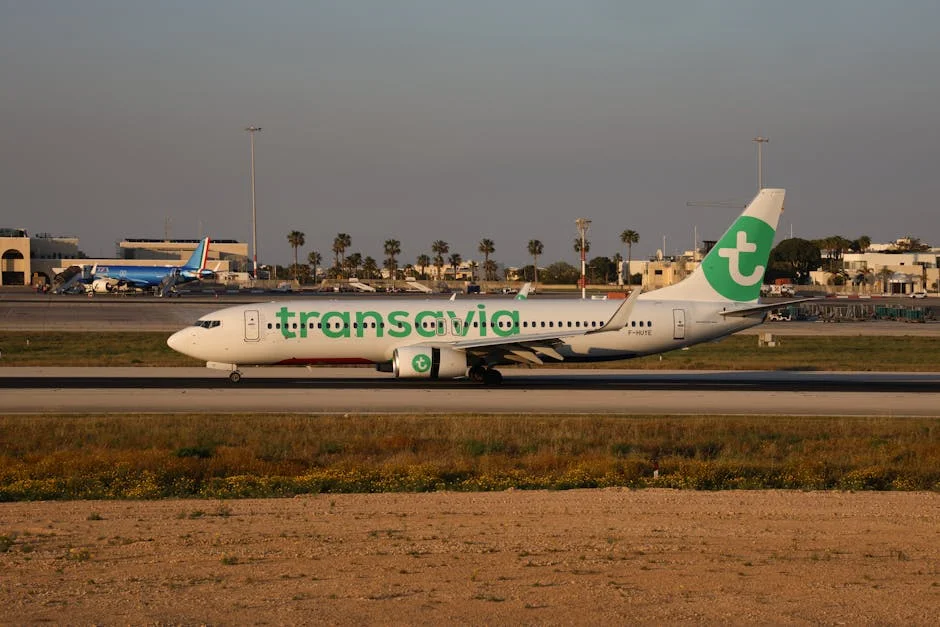
Air Arabia, the UAE-based low-cost carrier, has not yet released a detailed statement on the incident. However, a spokesperson for the airline said, “We are working closely with the airport authorities to ensure the safety of our passengers and crew.” The incident highlights the ongoing challenges airlines face in managing wildlife risks at airports, particularly in regions with high bird activity.
Impact on Regional Air Travel and Operations
The bird strike temporarily disrupted air traffic at Trivandrum International Airport, which handles over 10 million passengers annually. Flights were delayed for approximately 90 minutes, affecting both domestic and international connections. The Indian Directorate General of Civil Aviation (DGCA) has issued a directive for all airlines operating in the region to conduct additional bird hazard assessments.
Trivandrum, located in the southern state of Kerala, is a key gateway for tourism and business travel. The incident has raised concerns among local business leaders, who fear that any prolonged disruption could impact the region’s growing aviation sector. “This is a reminder of the importance of maintaining strict safety protocols,” said Ravi Menon, a travel industry analyst based in Thiruvananthapuram.
The DGCA has also urged airports to increase the use of radar systems and bird deterrent technologies. A recent report by the International Air Transport Association (IATA) found that bird strikes cost the global aviation industry over $1.3 billion annually in damages and delays.
Investor and Market Reactions
Shares of Air Arabia, which operates over 300 routes across the Middle East, South Asia, and Africa, saw a slight dip in early trading on Monday. However, the market reaction was minimal, with analysts suggesting the incident is unlikely to have a major financial impact. “This is a routine event in the aviation sector, and Air Arabia has a strong safety record,” said Samir Patel, an aviation sector analyst at JPMorgan.
Investors are also closely watching the broader implications of such incidents on the airline’s operational costs. Bird strikes can lead to increased maintenance expenses and potential regulatory scrutiny. However, the airline’s recent financial reports show a 12% increase in revenue compared to the same period last year, indicating resilience in the face of such challenges.
What to Watch Next
The DGCA is expected to release a formal report on the incident within the next two weeks. Meanwhile, Trivandrum International Airport has announced plans to install new bird detection systems by the end of the year. Air Arabia is also set to hold a press conference later this week to provide further details on the incident and its investigation.
For investors and businesses, the event serves as a reminder of the unpredictable nature of the aviation sector. As air travel continues to grow in India, especially in the southern region, the need for robust safety measures will remain a key focus for regulators and airlines alike.
See Also
- Limpopo Blames Human Error for Road Deaths Amid Easter Rush
- Tesla Cybertruck Driver Arrested In Texas Lake — Insurance Costs Spike