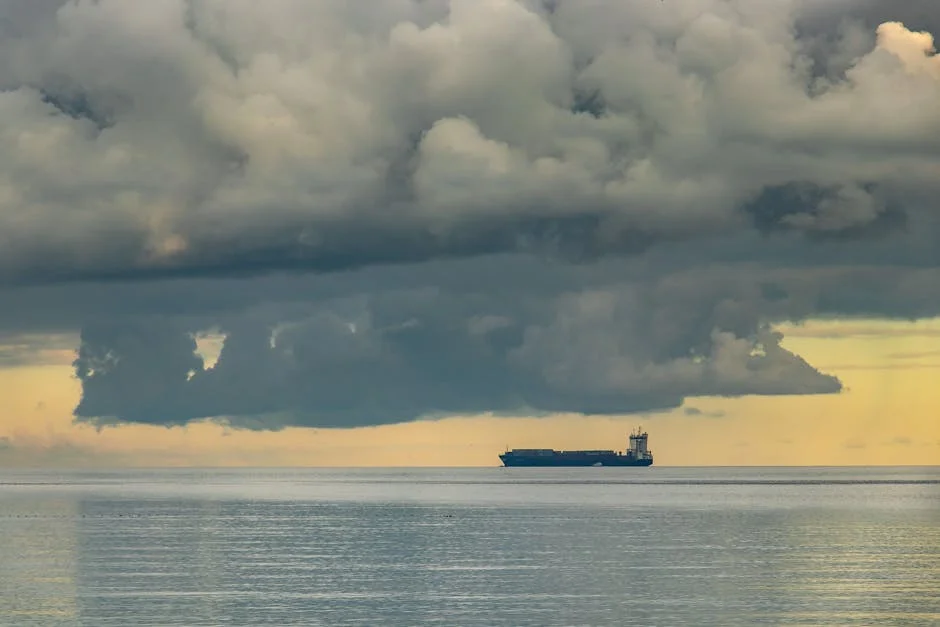
The Iranian Revolutionary Guard seized a Japanese-flagged oil tanker in the Strait of Hormuz on Monday, triggering immediate concern over global energy security and regional stability. The incident, which took place near the strategic waterway, has raised fears of a broader conflict that could disrupt global trade and energy markets. The seizure occurred hours after a U.S. naval vessel conducted a routine patrol in the area, highlighting the volatile geopolitical tensions in the region.
Strategic Importance of the Strait of Hormuz
The Strait of Hormuz is one of the world’s most critical maritime chokepoints, with nearly 20% of global oil supply passing through its waters. The area is particularly vital for countries in Asia, the Middle East, and Europe, as it serves as a key route for crude oil exports from the Persian Gulf. The recent seizure of the tanker, which was carrying 700,000 barrels of crude oil, has raised concerns about the potential for further disruptions in the supply chain.
The U.S. Department of State has warned that any interference with maritime traffic in the region could have "serious consequences for global energy markets." The incident also comes amid heightened tensions between Iran and the U.S., with both sides engaging in a series of escalatory actions over the past year. The U.S. has since deployed additional naval assets to the region, signaling a readiness to respond to any further aggression.
Market Reactions and Investor Concerns
Global oil prices surged immediately following the news, with Brent crude climbing over 3% to $86 per barrel. Analysts at JPMorgan warned that the incident could lead to a "short-term spike" in energy prices, particularly if the tanker remains detained for an extended period. The move has also caused uncertainty among investors, with major energy firms like Shell and Total reporting increased volatility in their stock prices.
Investors are closely watching how the U.S. and its allies respond to the incident. The European Union has called for a de-escalation of tensions, while Saudi Arabia and the United Arab Emirates have reiterated their commitment to maintaining stability in the region. The International Energy Agency (IEA) has also issued a statement, urging all parties to avoid actions that could destabilize the global energy market.
Business and Economic Implications
The seizure has immediate implications for shipping companies and global trade. The Japanese shipping firm that owns the vessel, NYK Line, has confirmed that it is working with international authorities to secure the release of the tanker. The company has also warned that further incidents could lead to increased insurance costs and operational delays for its fleet.
Businesses across the globe are bracing for potential supply chain disruptions. The World Trade Organization (WTO) has expressed concern over the incident, noting that any prolonged disruption in the Strait of Hormuz could have "far-reaching effects on global commerce." Companies that rely on just-in-time delivery systems, such as automotive and technology firms, are particularly vulnerable to any delays in the movement of goods.
Regional and Global Responses
The Iranian government has not provided a detailed explanation for the seizure, but state media has suggested it was a response to "U.S. aggression" in the region. The move has drawn criticism from the United Nations, with the UN Secretary-General urging all parties to "exercise restraint and avoid actions that could escalate tensions." The U.S. has called the incident a "provocative act" and has warned that further actions against foreign vessels will be met with a "firm and coordinated response."
Regional allies, including the United Arab Emirates and Bahrain, have also condemned the seizure. Both countries have emphasized their commitment to the free flow of maritime traffic through the Strait of Hormuz. The Gulf Cooperation Council (GCC) is expected to hold an emergency meeting to discuss the situation and coordinate a unified response.
What Comes Next?
Analysts predict that the U.S. will continue to monitor the situation closely, with the possibility of increased naval presence in the region. The International Maritime Organization (IMO) is also expected to issue a statement on the matter in the coming days. The situation remains fluid, and any further developments could have significant implications for global markets and geopolitical stability.
Investors and businesses should closely follow updates from the U.S. Department of State and the IMO, as well as the actions of key energy companies. The next 48 hours will be critical in determining whether the incident escalates into a broader conflict or is resolved through diplomatic channels.
The incident underscores the fragile balance of power in the Middle East and the critical role that the Strait of Hormuz plays in global energy security. As the situation unfolds, the world is watching closely to see how the U.S., Iran, and its allies respond to this latest escalation.
See Also
- GB Halts Wheat Imports Amid Currency Crisis — and Prices Are Already Rising
- Arbeloa's Comments on Carvajal Selections Spark Market Concerns
See AlsoGB Halts Wheat Imports Amid Currency Crisis — and Prices Are Already RisingArbeloa's Comments on Carvajal Selections Spark Market Concerns The World Trade Organization (WTO) has expressed concern over the incident, noting that any prolonged disruption in the Strait of Hormuz could have "far-reaching effects on global commerce." Companies that rely on just-in-time delivery systems, such as automotive and technology firms, are particularly vulnerable to any delays in the movement of goods.