Police in Nashik, Maharashtra, are under intense scrutiny following allegations that employees targeted individuals for religious conversion through harassment and coercion. The case, which has drawn national attention, involves two senior officers accused of orchestrating a campaign to pressure members of minority communities. The incident has sparked debate over law enforcement practices and the broader implications for social harmony and governance in India.
Allegations and Immediate Reactions
The case emerged after a group of women, mostly from a minority community, filed a complaint with the state human rights commission. They alleged that police officers from the Nashik police station had approached them with threats and demands to convert to a different faith. The allegations, which include claims of verbal abuse and physical intimidation, have led to a formal inquiry by the state government.
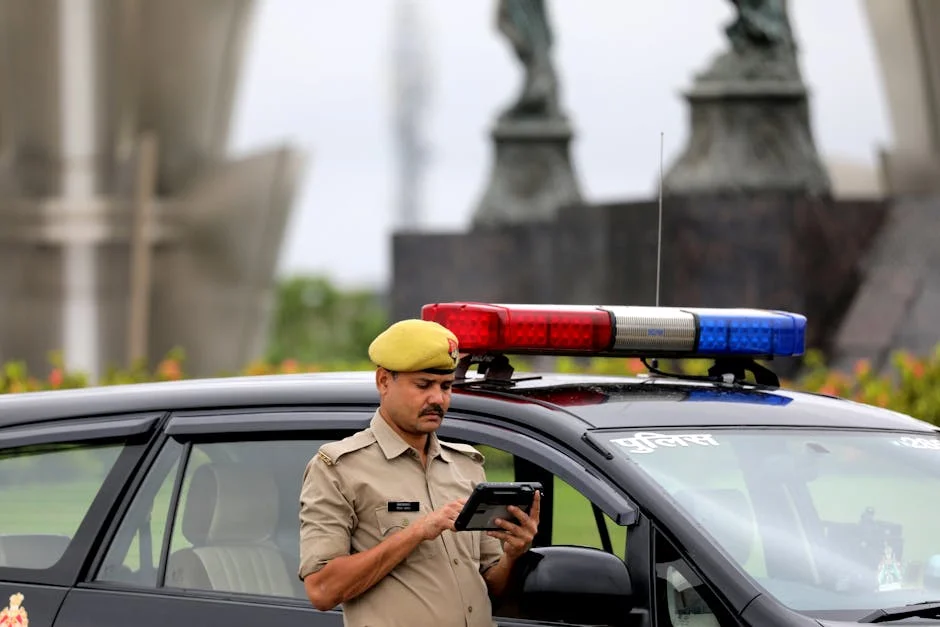
The accused officers, Assistant Police Inspector Ramesh Patil and Inspector Anil Deshmukh, were placed on leave pending the investigation. A senior official from the Maharashtra Police said the department is “committed to upholding the rule of law and protecting the rights of all citizens.” However, the case has raised concerns about the misuse of authority and the potential for abuse in law enforcement.
Broader Implications for Governance
The incident has highlighted the need for stricter oversight of police conduct, particularly in regions with high levels of religious and social diversity. In Nashik, which is a major commercial and industrial hub, such misconduct could undermine public trust in law enforcement and affect business operations. A report by the National Commission for Scheduled Castes noted that 23% of complaints against police in the state involve allegations of misuse of power, often targeting marginalized groups.
Legal experts say the case could set a precedent for how similar incidents are handled in the future. “This is not just about two officers—it’s about systemic issues in police training and accountability,” said Dr. Priya Mehta, a legal scholar at the University of Mumbai. “If left unchecked, such incidents could deter investment and harm the state’s economic stability.”
Impact on Business and Investor Confidence
Nashik, home to several industrial zones and a growing tech sector, has long been a key economic driver in Maharashtra. The recent allegations have raised concerns among local business leaders about the stability of the region’s law enforcement. A survey by the Nashik Chamber of Commerce found that 18% of businesses have expressed worry about the potential for increased legal uncertainty following the case.
Investors are also paying attention. A major IT firm based in Nashik, TechNest Solutions, has announced a review of its operations in the city. “We are closely monitoring the situation and will take necessary steps to ensure the safety of our employees and the continuity of our business,” said CEO Rajiv Malhotra in a statement.
Public Outcry and Calls for Reform
The case has triggered widespread public outrage, particularly among women’s rights groups. Over 10,000 people signed an online petition demanding stricter accountability for police misconduct. The Nashik Women’s Forum, a local NGO, has called for the implementation of a new police oversight mechanism. “This is a critical moment for Nashik,” said founder Meera Patel. “We need transparency and real change, not just empty promises.”
Political leaders have also weighed in. Maharashtra Chief Minister Eknath Khadse has promised a thorough investigation and reiterated his commitment to “protecting the rights of all citizens.” However, critics argue that past reforms have failed to address systemic issues, and that more needs to be done to prevent such incidents from recurring.
Historical Context and Legal Framework
Religious conversion has long been a sensitive issue in India, with some states enacting laws to restrict it. Maharashtra’s 1968 Religious Freedom Act prohibits forced conversions, but enforcement has been inconsistent. The Nashik case has reignited debates about how these laws are applied and whether they are being misused to target specific communities.
Legal experts say the case could lead to a re-examination of these laws. “The line between religious freedom and coercion is often blurred,” said Advocate Arjun Kapoor, who has represented several cases involving religious conversions. “This case is a reminder that law enforcement must act with fairness and impartiality.”
What Comes Next?
The investigation into the Nashik police case is expected to conclude within the next six weeks. If found guilty, the accused officers could face disciplinary action, including suspension or dismissal. Meanwhile, the state government has announced plans to review its police training programs and introduce new accountability measures.
Business leaders and investors will be watching closely for signs of stability. The next few months will be critical for determining whether the incident leads to meaningful reform or further erosion of public trust. For now, the focus remains on ensuring justice for the victims and preventing future abuses of power.