The UK government has announced a sweeping ban on deep-fried food in school meals, marking a major shift in national nutrition policy. The policy, set to take effect in September 2025, targets high-fat, high-sugar foods served in over 20,000 schools across England. The move follows a review by the Department for Education, which found that 40% of children in primary schools consume deep-fried meals at least three times a week. The decision has already sparked reactions from food manufacturers, parents, and school administrators.
Policy Changes and Immediate Reactions
The new rule, part of a broader effort to tackle childhood obesity, prohibits the use of deep-fried foods in school canteens. The policy applies to all meals provided by the government’s free school meal program, which serves 1.3 million children annually. The Department for Education confirmed the ban after a public consultation that received over 12,000 responses. Critics, including the British Retail Consortium, argue the move could increase costs for schools and reduce meal variety.
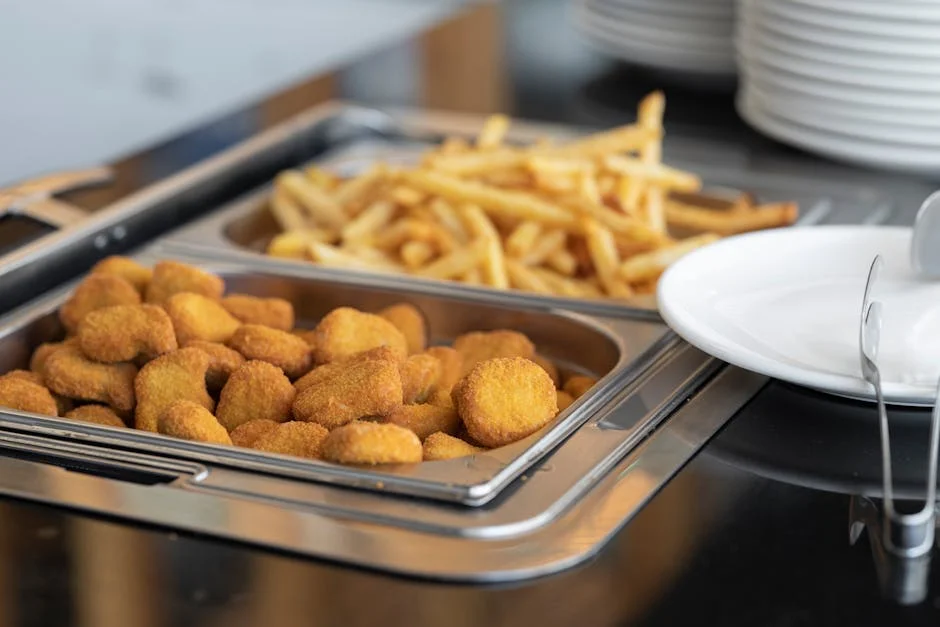
“This is a step in the right direction for public health,” said Dr. Emily Carter, a pediatrician and spokesperson for the Royal College of Paediatrics and Child Health. “But we need to ensure that alternative meals are both nutritious and appealing to children.” The policy has also drawn criticism from some school governors, who warn that it may lead to higher food waste if students reject the new menu options.
Market and Business Implications
The ban is already affecting food suppliers and manufacturers. Major catering companies, such as Compass Group and Sodexo, have announced plans to redesign their menus to comply with the new rules. Compass Group, which supplies meals to 2,500 schools, said it will increase its use of baked and grilled options by 60% by 2025. This shift could reduce demand for frying oils, impacting companies like Unilever and Nestlé, which supply cooking fats to the food industry.
The ripple effects are also being felt in the retail sector. Supermarkets like Tesco and Sainsbury’s have started promoting “school-friendly” meal kits, targeting parents who prepare lunches for their children. The move has also prompted a surge in demand for plant-based and low-fat snacks, with brands like Beyond Meat and Quorn reporting a 15% increase in sales since the policy was announced.
Investors are closely watching the sector. The UK’s food and beverage industry is worth £90 billion annually, and the ban could reshape supply chains and production methods. “This is a significant regulatory shift,” said Sarah Thompson, a financial analyst at Goldman Sachs. “Companies that adapt quickly to the new standards may gain a competitive edge.”
Impact on Local Economies
The policy is expected to have a mixed impact on local economies. While it could reduce healthcare costs associated with obesity, it may also affect small food suppliers and independent caterers who rely on deep-frying as a cost-effective cooking method. In Manchester, where 30% of schools are part of the free meal program, local businesses are already adjusting their operations. One such company, FoodForAll, has invested £500,000 in new cooking equipment to align with the new guidelines.
Local councils are also facing financial challenges. The Department for Education has allocated an additional £20 million to support schools in implementing the changes, but some may struggle to meet the costs. The city of Birmingham, which has the largest number of free school meal recipients in England, has warned that it may need to raise local taxes to cover the shortfall.
Consumer Behavior and Long-Term Trends
Parents are beginning to adjust their habits in response to the policy. A recent survey by the National Parent Teacher Association found that 68% of parents are now more conscious of the types of foods they pack for their children. This shift in behavior could lead to long-term changes in eating patterns, particularly among younger generations.
The policy also highlights a broader trend toward healthier eating. In London, the number of schools offering vegetarian and vegan meal options has doubled since 2020. This trend is expected to continue as more schools adopt the new guidelines. “We’re seeing a cultural shift in how families view nutrition,” said David Morris, a food policy advisor in the Greater London Authority.
What to Watch Next
As the ban takes effect in 2025, the focus will be on its implementation and long-term impact. Schools, food suppliers, and local governments will need to work closely to ensure the transition is smooth. A key deadline is the end of 2024, when the first full year of the policy will be reviewed. Investors, policymakers, and parents will be watching for signs of success or unintended consequences. The outcome could set a precedent for other countries considering similar nutrition reforms.