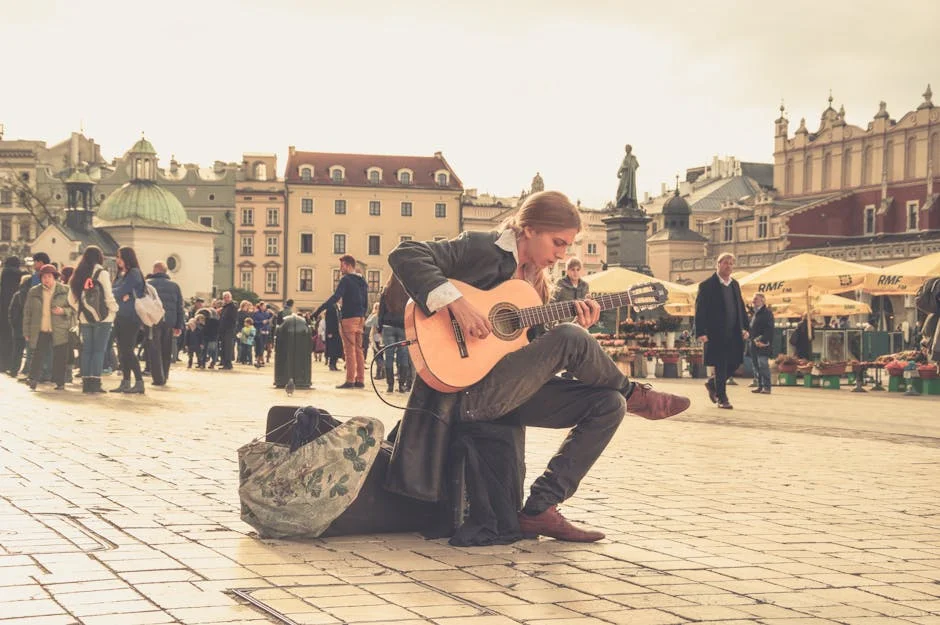
Singapore’s street performers are grappling with a new set of restrictions, despite an expansion of permitted performance locations. The Ministry of Culture, Community and Youth announced in early 2024 that buskers could now perform in 15 additional public spaces, but the move has not translated into increased foot traffic. Many artists report a 30% drop in audience numbers, raising concerns about the long-term viability of street performance as a livelihood.
Regulatory Shifts and Performer Reactions
The updated guidelines, which came into effect in January 2024, require buskers to apply for permits in advance and adhere to strict noise and time limits. While the government claims the changes aim to balance public space usage with artistic expression, performers say the process is cumbersome and discouraging. “It’s easier to just give up,” said Mei Lin, a violinist who has performed in the city’s Central Business District for over a decade. “The rules are too strict, and the crowds are gone.”
According to a survey conducted by the Singapore Buskers Association, 72% of performers reported a decline in income since the new rules were implemented. The association, which represents over 500 artists, has called for a review of the policy, arguing that the restrictions may stifle cultural vibrancy in public spaces.
Economic Implications for Local Businesses
The decline in street performances has ripple effects on nearby businesses. Restaurants, cafes, and shops that once thrived on the energy of live music and impromptu entertainment are now seeing lower foot traffic. “We used to get a steady stream of customers from the buskers,” said Tan Wei, owner of a small café near the Marina Bay Sands. “Now, it feels empty.”
Local economic analysts suggest that the reduction in public street activity could contribute to a slight slowdown in retail and hospitality sectors. A report from the Singapore Economic Development Board noted a 5% dip in foot traffic in key commercial areas since the start of 2024, though it did not directly attribute the decline to busking regulations.
Investor and Market Perspectives
For investors, the shift in street performance dynamics reflects broader challenges in Singapore’s service sector. While the city remains a global financial hub, the tightening of public space regulations may signal a trend toward more controlled urban environments. This could affect tourism and cultural investment, as visitors often seek vibrant, open public spaces.
“The government’s approach to regulating public spaces may be driven by urban planning goals, but it’s important to consider the impact on small businesses and creative industries,” said Dr. Lian Hui, an economist at the National University of Singapore. “A more balanced approach could help maintain the city’s cultural appeal while managing public order.”
Public Space and Urban Planning
The debate over busking regulations highlights a broader tension between urban development and cultural expression. Singapore’s government has long prioritized order and cleanliness in public spaces, a policy that has contributed to the city’s global reputation as one of the most well-managed urban environments. However, critics argue that this approach risks eroding the city’s cultural diversity and community engagement.
Some urban planners suggest that a more flexible framework for street performances could enhance public spaces without compromising safety or order. “We need to find a middle ground,” said Dr. Rajiv Mehta, a senior planner at the Urban Redevelopment Authority. “Public spaces should be dynamic and inclusive, not just functional.”
What’s Next for Singapore’s Street Performers?
As the new year progresses, buskers and their advocates are preparing to push for policy revisions. The Singapore Buskers Association plans to meet with the Ministry of Culture, Community and Youth in April to discuss potential adjustments to the regulations. Meanwhile, performers are exploring alternative venues, including private events and online platforms, to sustain their work.
The coming months will be critical for determining whether Singapore’s approach to street performance can evolve to better support both artists and the public. For now, the city’s once-bustling streets remain quieter, with many wondering what the future holds for its vibrant, if now constrained, culture of street performance.