Nigeria's judiciary has sentenced nearly 400 individuals to prison for alleged ties to militant Islamist groups, marking one of the largest crackdowns in the country's history. The convictions, delivered by a special court in Abuja, come amid a deepening security crisis in the northern regions, where groups like Boko Haram and Islamic State West Africa Province (ISWAP) have carried out repeated attacks. The move has drawn attention from international investors and economic analysts, who are closely watching how this crackdown might affect business operations and market stability.
Nigeria's Crackdown and Security Challenges
The recent wave of convictions follows months of intensified military and police operations in the northeast, where Boko Haram has been active for over a decade. The court in Abuja, which handles national security cases, sentenced 397 individuals to prison terms ranging from three to 15 years. Among those convicted were suspected recruiters and financiers of militant groups, according to the National Security Council. The crackdown is part of a broader strategy by President Bola Tinubu to restore order and boost investor confidence in a region plagued by violence and instability.
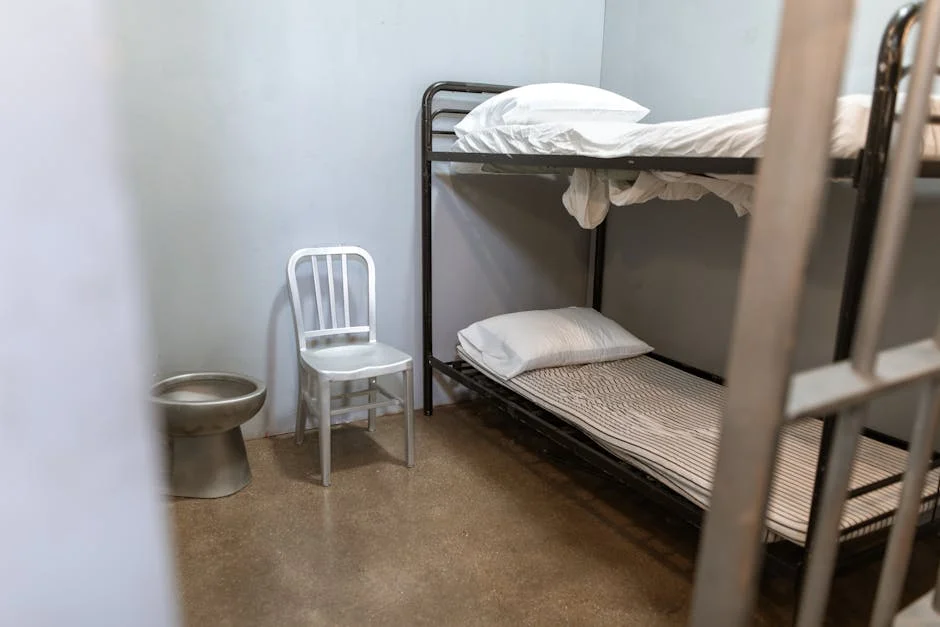
Security experts say the convictions send a strong message to militant networks, but they also highlight the challenges of addressing the root causes of extremism. "While the legal action is a step in the right direction, long-term stability will depend on economic opportunities and improved governance in the affected regions," said Dr. Adebayo Adeyemi, a political analyst at the University of Ibadan. The government has pledged to invest in infrastructure and education in the north, but progress has been slow, and many remain skeptical.
Market and Investor Reactions
Financial markets in Nigeria have shown mixed reactions to the crackdown. The Nigerian Stock Exchange (NSE) remained relatively stable, with the All-Share Index closing flat on the day of the court's announcement. However, foreign investors are closely monitoring the situation, as security concerns have long been a deterrent to investment in the country. The World Bank estimates that insecurity costs Nigeria about 2.5% of its GDP annually, with the north bearing the brunt of the losses.
International firms operating in Nigeria, particularly in sectors like agriculture, energy, and telecommunications, are reassessing their risk profiles. "The government's actions are positive, but we need to see more tangible improvements in security before we consider expanding operations," said Mark Thompson, a regional director at a London-based investment firm. The uncertainty surrounding the security situation continues to weigh on foreign direct investment, which has been sluggish in recent years.
Economic Implications for Businesses
The crackdown could have both direct and indirect effects on businesses in Nigeria. In the short term, increased security presence in the north may disrupt supply chains and reduce consumer spending. However, long-term stability could lead to improved business conditions. The Nigerian Export Promotion Council (NEPC) has warned that the current security challenges are hindering export growth, particularly in the agricultural sector, where many small and medium enterprises (SMEs) operate in the north.
Business leaders are calling for a more comprehensive approach to security. "We need more than just arrests — we need jobs, education, and infrastructure to prevent the next generation from turning to extremism," said Ngozi Okonkwo, CEO of a Lagos-based agribusiness. The government has pledged to allocate more funds to the northern states, but the effectiveness of these measures remains to be seen.
What to Watch Next
The coming months will be critical in determining the long-term impact of the crackdown. The government has announced plans to launch a new security initiative in the north by the end of the year, which could include increased military deployment and community outreach programs. Investors and analysts will be watching for signs of progress in reducing violence and improving economic conditions.
The National Security Council is also expected to release a detailed report on the effectiveness of current security policies by early 2025. This report could influence future policy decisions and investor sentiment. For now, the focus remains on whether the recent convictions will translate into lasting stability or just temporary relief for a deeply troubled region.
Frequently Asked Questions
What is the latest news about nigeria sentences 400 to jail over islamist links economic fallout looms?
Nigeria's judiciary has sentenced nearly 400 individuals to prison for alleged ties to militant Islamist groups, marking one of the largest crackdowns in the country's history.
Why does this matter for telecommunications?
The move has drawn attention from international investors and economic analysts, who are closely watching how this crackdown might affect business operations and market stability.
What are the key facts about nigeria sentences 400 to jail over islamist links economic fallout looms?
The court in Abuja, which handles national security cases, sentenced 397 individuals to prison terms ranging from three to 15 years.