Israeli forces carried out a strike in southern Lebanon near the town of Qana on Monday, killing at least five people and injuring 25, according to the Lebanese Red Cross. The attack, which targeted a residential area, has intensified regional tensions and raised concerns over the stability of the broader Middle East. The strike comes amid heightened hostilities between Israel and the Iran-backed group Hezbollah, which has been active in southern Lebanon for years.
Regional Security Implications
The attack in Qana has triggered immediate reactions from regional actors. The Lebanese government condemned the strike, with Interior Minister Nasser al-Kidwa calling it a "blatant violation of international law." The incident also led to a surge in military activity along the Israel-Lebanon border, with both sides reporting increased artillery exchanges. The United Nations has called for de-escalation, but the situation remains volatile.
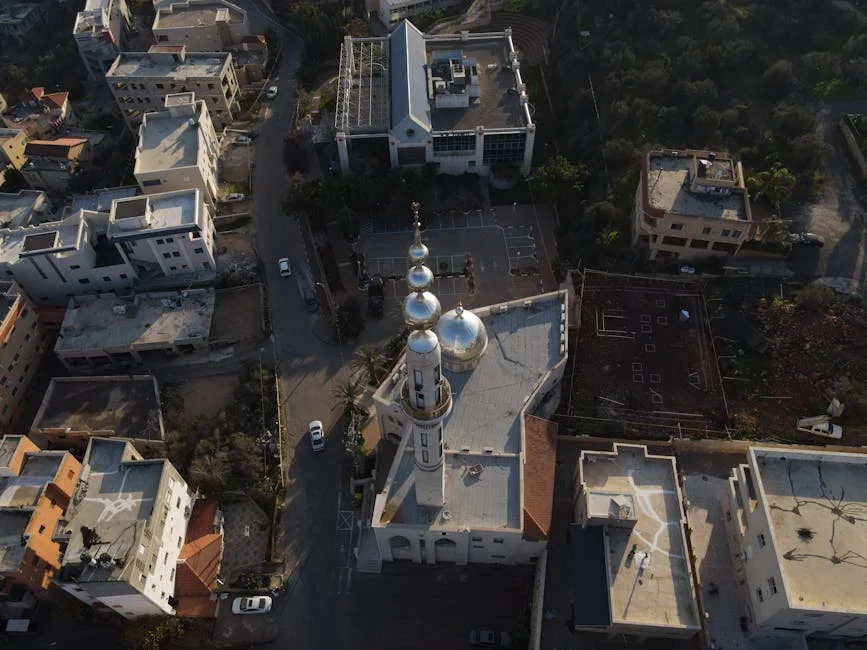
Analysts warn that the attack could further destabilize the region. The Lebanese army, which has been under pressure to maintain control over its border with Israel, has been accused of failing to prevent cross-border attacks by Hezbollah. The group has launched multiple rocket strikes into northern Israel in recent weeks, prompting Israeli military responses. This cycle of violence could lead to a broader regional conflict, with potential spillover effects on neighboring countries.
Market and Investor Reactions
Global markets reacted cautiously to the news, with energy prices rising as investors worried about potential disruptions to oil supplies in the region. Brent crude oil futures climbed 1.5% on Monday, reflecting concerns over supply chain vulnerabilities. The Middle East remains a critical oil-producing region, and any escalation in hostilities could lead to further price volatility.
Investors are also watching the impact on regional currencies. The Lebanese lira has been in freefall, with the official exchange rate now at 15,000 to the US dollar, and the black market rate surpassing 20,000. The economic crisis in Lebanon has been exacerbated by years of mismanagement, and the latest violence could further erode investor confidence. The International Monetary Fund (IMF) has been in discussions with the Lebanese government for a potential bailout, but progress has been slow.
Economic Consequences for the US
The attack in Qana is unlikely to directly impact the US economy, but it could have indirect effects. The US has long been a key player in Middle East politics, and any escalation in the region could lead to increased defense spending. The Pentagon has already begun monitoring the situation, and officials have warned that the US is prepared to respond if its interests are threatened.
For American businesses, the situation highlights the risks of operating in unstable regions. Multinational firms with operations in the Middle East may face supply chain disruptions or increased security costs. The US government has issued travel advisories for its citizens in the region, and some companies have begun to reassess their risk exposure.
What to Watch Next
The coming days will be critical in determining whether the violence in southern Lebanon escalates into a full-scale conflict. The Lebanese government has called for an emergency session of the UN Security Council, while Israel has warned that it will continue to act against threats from Hezbollah. Investors should monitor oil prices, regional military movements, and any new developments in the UN’s efforts to mediate the crisis.
The situation also raises questions about the long-term stability of Lebanon’s fragile government. With the country already in economic collapse, any further violence could push it closer to total dysfunction. The US and its allies will likely continue to play a role in shaping the region’s future, but the path forward remains uncertain.