French airline Air France has extended its suspension of flights to the Middle East until May 3, citing ongoing regional instability and security concerns. The decision impacts thousands of passengers and disrupts trade and tourism routes between Europe and the Gulf. The airline’s move comes amid heightened tensions in the region, including clashes in the Gaza Strip and diplomatic disputes between key Middle Eastern nations. The suspension affects routes to major cities such as Dubai, Doha, and Riyadh, with direct consequences for both business travelers and holidaymakers.
Regional Tensions Drive Airline Decisions
Air France’s decision to extend the flight suspension reflects growing concerns over the security situation in the Middle East. The airline’s operations director, Laurent Pellerin, stated that the company is closely monitoring the geopolitical landscape and will reassess the situation in early May. The move follows a series of security alerts issued by the European Union and the United States, which have warned of potential threats to aviation infrastructure in the region.
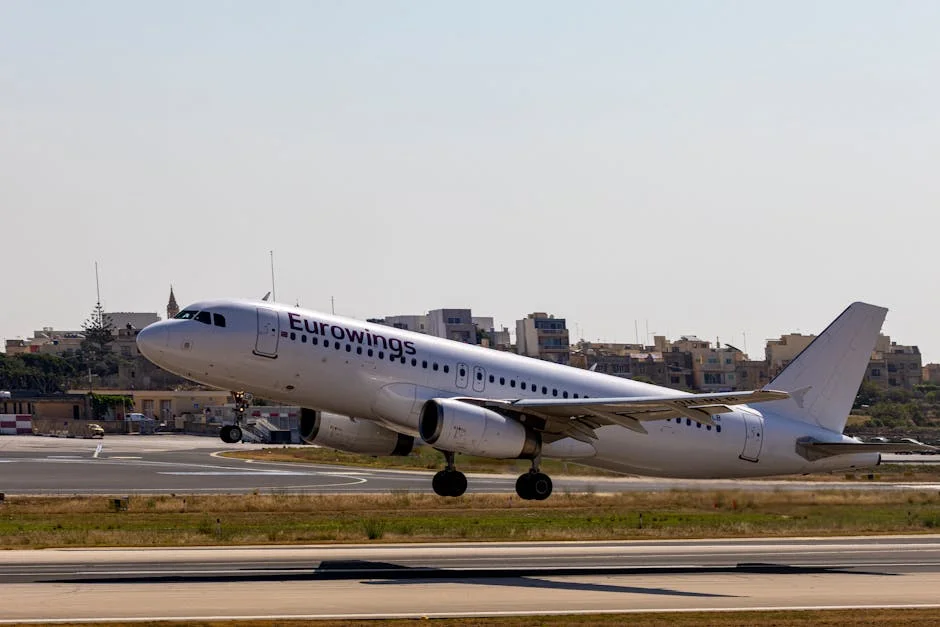
The airline’s decision is not isolated. Other European carriers, including Lufthansa and British Airways, have also adjusted their schedules in response to the volatile environment. The Middle East remains a critical hub for global trade, with airports in Dubai and Doha serving as major transit points for flights between Europe and Asia. Disruptions to these routes can have cascading effects on supply chains and international business operations.
Impact on Markets and Businesses
The suspension of Middle East flights has immediate economic consequences. Air France reported a 12% drop in passenger traffic to the region in the first quarter of 2024, according to its latest financial report. This decline is expected to affect the airline’s revenue, particularly in sectors reliant on business travel and cargo shipments. The airline’s stock fell 2.3% on the Paris stock exchange following the announcement, reflecting investor concerns over long-term profitability.
Businesses that depend on Middle East routes are also feeling the strain. French multinational companies, including luxury brands and tech firms, have reported delays in shipments and reduced access to key markets. The disruption is particularly acute for firms operating in the energy and logistics sectors, which rely heavily on air transport for personnel and equipment. Industry analysts warn that the prolonged suspension could lead to higher operational costs and reduced efficiency.
Investor and Economic Implications
Investors are closely watching how the situation unfolds, with many questioning the long-term stability of the region. The European Investment Bank has issued a statement urging caution, noting that continued disruptions could affect regional economic growth. The bank’s chief economist, Maria Lopez, highlighted that the Middle East accounts for 15% of global trade, and any prolonged instability could have ripple effects on global markets.
The decision by Air France also raises broader questions about the resilience of global air travel networks. Airlines are increasingly factoring geopolitical risks into their route planning, which could lead to more frequent service cuts and rerouting. This shift may encourage investment in alternative transportation methods, such as rail and maritime freight, as companies seek more stable supply chains.
What to Watch Next
Investors and analysts will be monitoring the situation closely in the coming weeks. Air France has indicated it will provide an update on May 3, when the current suspension is set to expire. The airline’s next move will depend on the stability of the region and the response from international aviation authorities. Meanwhile, businesses are being advised to explore alternative routes and adjust their operations to mitigate the impact of the disruption.
The broader economic implications remain uncertain, but the current situation highlights the vulnerability of global trade to regional conflicts. As the Middle East continues to grapple with political and security challenges, the business world must adapt to an increasingly unpredictable environment.
Frequently Asked Questions
What is the latest news about air france halts middle east flights until may 3 travelers beware?
French airline Air France has extended its suspension of flights to the Middle East until May 3, citing ongoing regional instability and security concerns.
Why does this matter for science?
The airline’s move comes amid heightened tensions in the region, including clashes in the Gaza Strip and diplomatic disputes between key Middle Eastern nations.
What are the key facts about air france halts middle east flights until may 3 travelers beware?
Regional Tensions Drive Airline Decisions Air France’s decision to extend the flight suspension reflects growing concerns over the security situation in the Middle East.